Hidden stories, legends of Char Dham Yatra continue to inspire millions of devotees
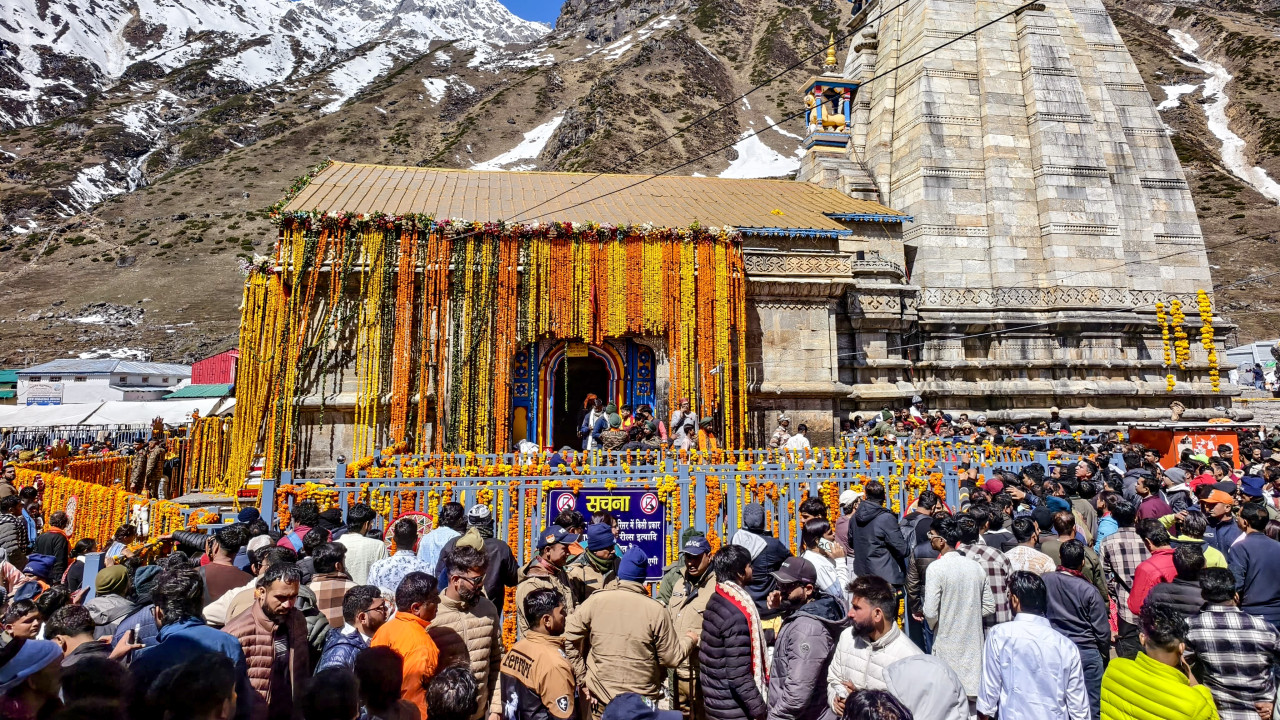
New Delhi, April 27 : The Char Dham Yatra is widely regarded as one of the most sacred pilgrimages in India, drawing lakhs of devotees to the Himalayan shrines of Yamunotri Temple, Gangotri Temple, Kedarnath Temple, and Badrinath Temple every year. While the journey is physically demanding, its deeper significance lies in the legends and beliefs that have been preserved through centuries, shaping the spiritual essence of the yatra.
Beyond the visible grandeur of these temples lies a rich tradition of stories that reflect devotion, sacrifice, and divine intervention. These narratives are not merely mythological accounts but form the foundation of faith for millions who undertake this journey seeking peace, clarity, and spiritual renewal.
The journey traditionally begins at Yamunotri, the source of the Yamuna River. The temple is dedicated to Goddess Yamuna, but its significance is deeply rooted in the legend of Sage Asit.
According to belief, Sage Asit spent his life meditating by the river. Even after losing his eyesight in old age, he continued his daily rituals with unwavering faith. Moved by such devotion, Goddess Yamuna is said to have restored his vision. In gratitude, the sage prayed for divine blessings upon the region, leading to the belief that the sacred waters here carry extraordinary spiritual power.
This story reinforces the idea that true devotion can transcend physical limitations and invite divine grace.
Gangotri, the next stop, is associated with one of the most revered legends in Hindu tradition, the descent of the Ganga to Earth. The story revolves around King Bhagirath, who performed intense penance to liberate his ancestors from a curse.
His prayers were answered when Lord Shiva agreed to receive the mighty river in his matted locks, ensuring that its descent would not destroy Earth. The river’s eventual flow is believed to have purified the land and offered salvation to countless souls.
The legend highlights perseverance and the transformative power of faith, making Gangotri a symbol of spiritual cleansing.
Kedarnath holds a special place in the Char Dham circuit due to its connection with the Mahabharata. After the Kurukshetra war, the Pandavas sought forgiveness for the destruction caused during the conflict and turned to Lord Shiva for absolution.
However, Lord Shiv chose to avoid them, taking the form of a bull and disappearing into the ground. The Pandavas followed him to Kedarnath, where he eventually revealed himself as a Jyotirlinga.
This narrative reflects themes of repentance and divine mercy. It suggests that while the path to forgiveness may be difficult, sincere effort and faith can lead to redemption.
The final destination, Badrinath, is dedicated to Lord Vishnu and represents the culmination of the pilgrimage. According to legend, Vishnu meditated in the region, seeking spiritual enlightenment.
To protect him from harsh weather, Goddess Lakshmi is believed to have taken the form of a “badri” tree, offering shelter and comfort. This story symbolises the harmony between nature and divinity and highlights the importance of discipline and penance in spiritual growth.
For devotees, Badrinath is not just a place of worship but a symbol of ultimate salvation and inner peace.
The Char Dham Yatra is often described as a journey of the body, mind, and soul. Each destination represents a different stage of spiritual evolution. Yamunotri is associated with purification, Gangotri with divine grace, Kedarnath with repentance, and Badrinath with enlightenment.
Together, these stages form a path that encourages introspection and personal transformation. Pilgrims often describe the experience as life-changing, as the journey challenges both physical endurance and emotional resilience.
Despite the passage of time, the legends of Char Dham continue to hold deep relevance. In a fast-paced world filled with distractions, these stories offer guidance rooted in timeless values such as devotion, perseverance, humility, and faith.
The pilgrimage attracts not only religious devotees but also travellers seeking meaning and connection. For many, it provides an opportunity to disconnect from daily pressures and reconnect with inner spirituality.
Even today, the Char Dham Yatra remains a powerful reminder that spiritual journeys are not solely about reaching a destination but about the transformation that occurs along the way.
As pilgrims return from the Himalayas, they carry with them not just memories of scenic landscapes but also the enduring lessons of ancient legends, lessons that continue to inspire generations and keep the spirit of the Char Dham alive.

Beyond the visible grandeur of these temples lies a rich tradition of stories that reflect devotion, sacrifice, and divine intervention. These narratives are not merely mythological accounts but form the foundation of faith for millions who undertake this journey seeking peace, clarity, and spiritual renewal.
The journey traditionally begins at Yamunotri, the source of the Yamuna River. The temple is dedicated to Goddess Yamuna, but its significance is deeply rooted in the legend of Sage Asit.
According to belief, Sage Asit spent his life meditating by the river. Even after losing his eyesight in old age, he continued his daily rituals with unwavering faith. Moved by such devotion, Goddess Yamuna is said to have restored his vision. In gratitude, the sage prayed for divine blessings upon the region, leading to the belief that the sacred waters here carry extraordinary spiritual power.
This story reinforces the idea that true devotion can transcend physical limitations and invite divine grace.
Gangotri, the next stop, is associated with one of the most revered legends in Hindu tradition, the descent of the Ganga to Earth. The story revolves around King Bhagirath, who performed intense penance to liberate his ancestors from a curse.
His prayers were answered when Lord Shiva agreed to receive the mighty river in his matted locks, ensuring that its descent would not destroy Earth. The river’s eventual flow is believed to have purified the land and offered salvation to countless souls.
The legend highlights perseverance and the transformative power of faith, making Gangotri a symbol of spiritual cleansing.
Kedarnath holds a special place in the Char Dham circuit due to its connection with the Mahabharata. After the Kurukshetra war, the Pandavas sought forgiveness for the destruction caused during the conflict and turned to Lord Shiva for absolution.
However, Lord Shiv chose to avoid them, taking the form of a bull and disappearing into the ground. The Pandavas followed him to Kedarnath, where he eventually revealed himself as a Jyotirlinga.
This narrative reflects themes of repentance and divine mercy. It suggests that while the path to forgiveness may be difficult, sincere effort and faith can lead to redemption.
The final destination, Badrinath, is dedicated to Lord Vishnu and represents the culmination of the pilgrimage. According to legend, Vishnu meditated in the region, seeking spiritual enlightenment.
To protect him from harsh weather, Goddess Lakshmi is believed to have taken the form of a “badri” tree, offering shelter and comfort. This story symbolises the harmony between nature and divinity and highlights the importance of discipline and penance in spiritual growth.
For devotees, Badrinath is not just a place of worship but a symbol of ultimate salvation and inner peace.
The Char Dham Yatra is often described as a journey of the body, mind, and soul. Each destination represents a different stage of spiritual evolution. Yamunotri is associated with purification, Gangotri with divine grace, Kedarnath with repentance, and Badrinath with enlightenment.
Together, these stages form a path that encourages introspection and personal transformation. Pilgrims often describe the experience as life-changing, as the journey challenges both physical endurance and emotional resilience.
Despite the passage of time, the legends of Char Dham continue to hold deep relevance. In a fast-paced world filled with distractions, these stories offer guidance rooted in timeless values such as devotion, perseverance, humility, and faith.
The pilgrimage attracts not only religious devotees but also travellers seeking meaning and connection. For many, it provides an opportunity to disconnect from daily pressures and reconnect with inner spirituality.
Even today, the Char Dham Yatra remains a powerful reminder that spiritual journeys are not solely about reaching a destination but about the transformation that occurs along the way.
As pilgrims return from the Himalayas, they carry with them not just memories of scenic landscapes but also the enduring lessons of ancient legends, lessons that continue to inspire generations and keep the spirit of the Char Dham alive.