PM Modi accuses Congress of spreading false narrative about ‘Dhurandhar’, ‘Kerala Story’ and ‘Kashmir Files’
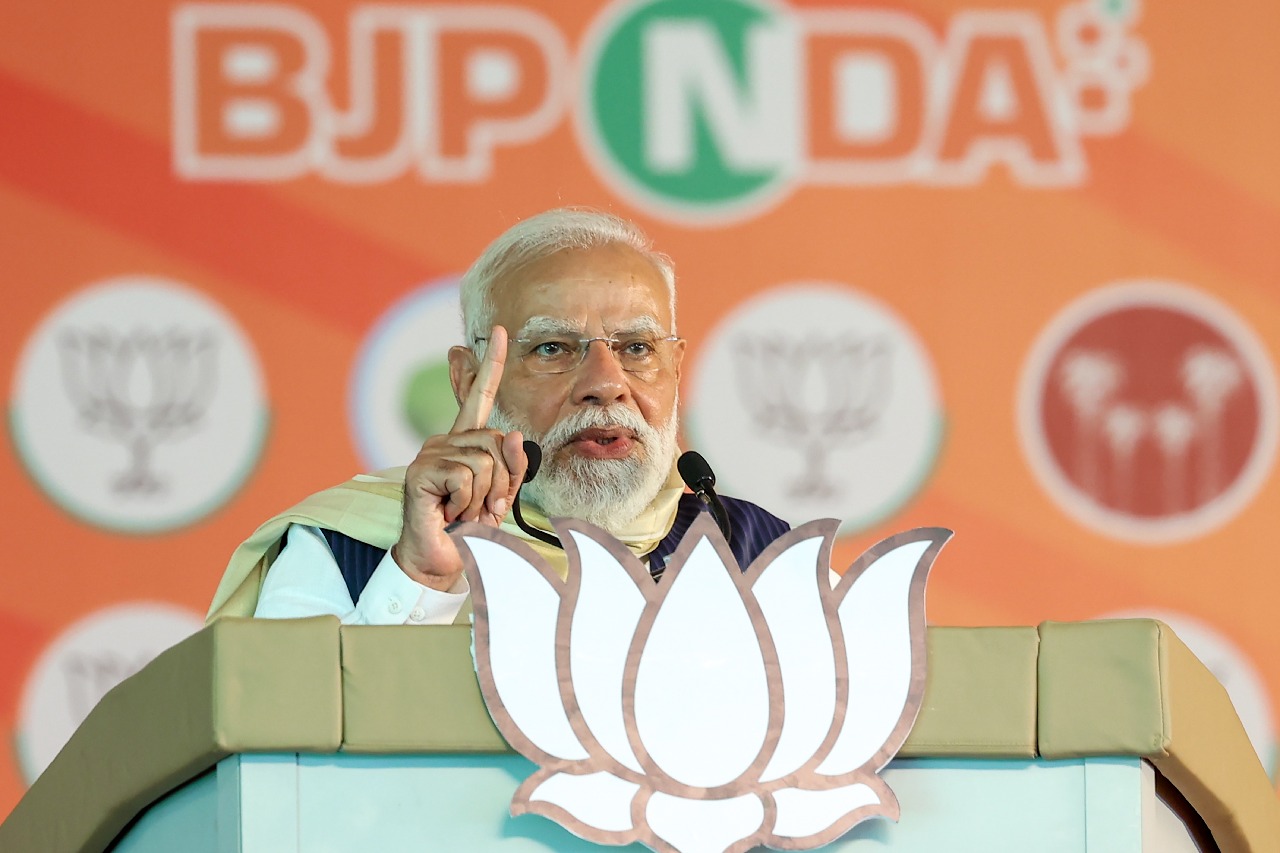
New Delhi, April 4 : Prime Minister Narendra Modi on Saturday has strongly and openly accused the Congress and other opposition parties of spreading false narratives on various issues, including films such as Dhurandar, The Kerala Story and The Kashmir Files.
Addressing the public at an event, the Prime Minister said, “The Congress, the UDF, the LDF, they lie about everything as if it is their nature. They mislead the country as if it is their nature.”
Accusing the opposition for spreading fake narratives around movies, he added, “They are experts in lying. When The Kerala Story came, they started saying that everything is a lie. When The Kashmir Files came, they started saying that everything is a lie. When the Dhurandar film came, they started saying that everything is a lie.”
Referring to past developments, he said, “When the CAA came, they lied to the country so much. Today the CAA has come, the country has not suffered any loss.”
He continued, “Whatever you do, you spread lies. The same lies are being spread about the FCRA. The same lies are being spread about the UCC. The UCC is in Goa. It has been there for decades.”
“Their business is to spread lies, spreading lies about the FCRA, spreading lies about the CAA, spreading lies about Dhurandar, spreading lies about The Kerala Story, spreading lies about The Kashmir Files,” he said.
For the uninitiated, films like Dhurandhar and Dhurandar: The Revenge, directed by Aditya Dhar, The Kashmir Files directed by Vivek Agnihotri, and The Kerala Story directed by Sudipto Sen became political flashpoints due to their subject matter and portrayal.
Talking about Dhurandar: The Revenge, the movie is set against themes of national security and conflict, presenting a strong nationalist narrative around military and intelligence operations, which drew heavy criticism from Congress and other opposition parties.
The Kashmir Files depicts the exodus of Kashmiri Pandits in the 1990s, and focuses on violence and displacement.
It was both supported for highlighting a historical event and criticised for presenting a selective perspective.
The Kerala Story follows women from Kerala shown being recruited into extremist organisations, centring on issues of radicalisation and exploitation.
It faced objections by Congress and other opposition parties over claims of exaggeration and community targeting.

Addressing the public at an event, the Prime Minister said, “The Congress, the UDF, the LDF, they lie about everything as if it is their nature. They mislead the country as if it is their nature.”
Accusing the opposition for spreading fake narratives around movies, he added, “They are experts in lying. When The Kerala Story came, they started saying that everything is a lie. When The Kashmir Files came, they started saying that everything is a lie. When the Dhurandar film came, they started saying that everything is a lie.”
Referring to past developments, he said, “When the CAA came, they lied to the country so much. Today the CAA has come, the country has not suffered any loss.”
He continued, “Whatever you do, you spread lies. The same lies are being spread about the FCRA. The same lies are being spread about the UCC. The UCC is in Goa. It has been there for decades.”
“Their business is to spread lies, spreading lies about the FCRA, spreading lies about the CAA, spreading lies about Dhurandar, spreading lies about The Kerala Story, spreading lies about The Kashmir Files,” he said.
For the uninitiated, films like Dhurandhar and Dhurandar: The Revenge, directed by Aditya Dhar, The Kashmir Files directed by Vivek Agnihotri, and The Kerala Story directed by Sudipto Sen became political flashpoints due to their subject matter and portrayal.
Talking about Dhurandar: The Revenge, the movie is set against themes of national security and conflict, presenting a strong nationalist narrative around military and intelligence operations, which drew heavy criticism from Congress and other opposition parties.
The Kashmir Files depicts the exodus of Kashmiri Pandits in the 1990s, and focuses on violence and displacement.
It was both supported for highlighting a historical event and criticised for presenting a selective perspective.
The Kerala Story follows women from Kerala shown being recruited into extremist organisations, centring on issues of radicalisation and exploitation.
It faced objections by Congress and other opposition parties over claims of exaggeration and community targeting.