New Delhi, March 27 : Pakistan has unexpectedly emerged as a mediator in the escalating US-Iran conflict, leveraging its diplomatic ties, according to reports, while its own ongoing war with Afghanistan remains unresolved despite several attempts at arbitration by other nations in the region.
Reports suggest that Islamabad is facilitating backchannel talks between Washington and Tehran to avert a broader regional war, that is now in its fourth week.
US President Donald Trump announced a limited five-day pause in strikes on Iran's energy infrastructure following "productive" indirect diplomacy routed through Pakistan, alongside Turkiye and Egypt.
Islamabad thus intends to position itself as the lead intermediary, with proposals to host direct talks involving high-level government functionaries from the US and Iran.
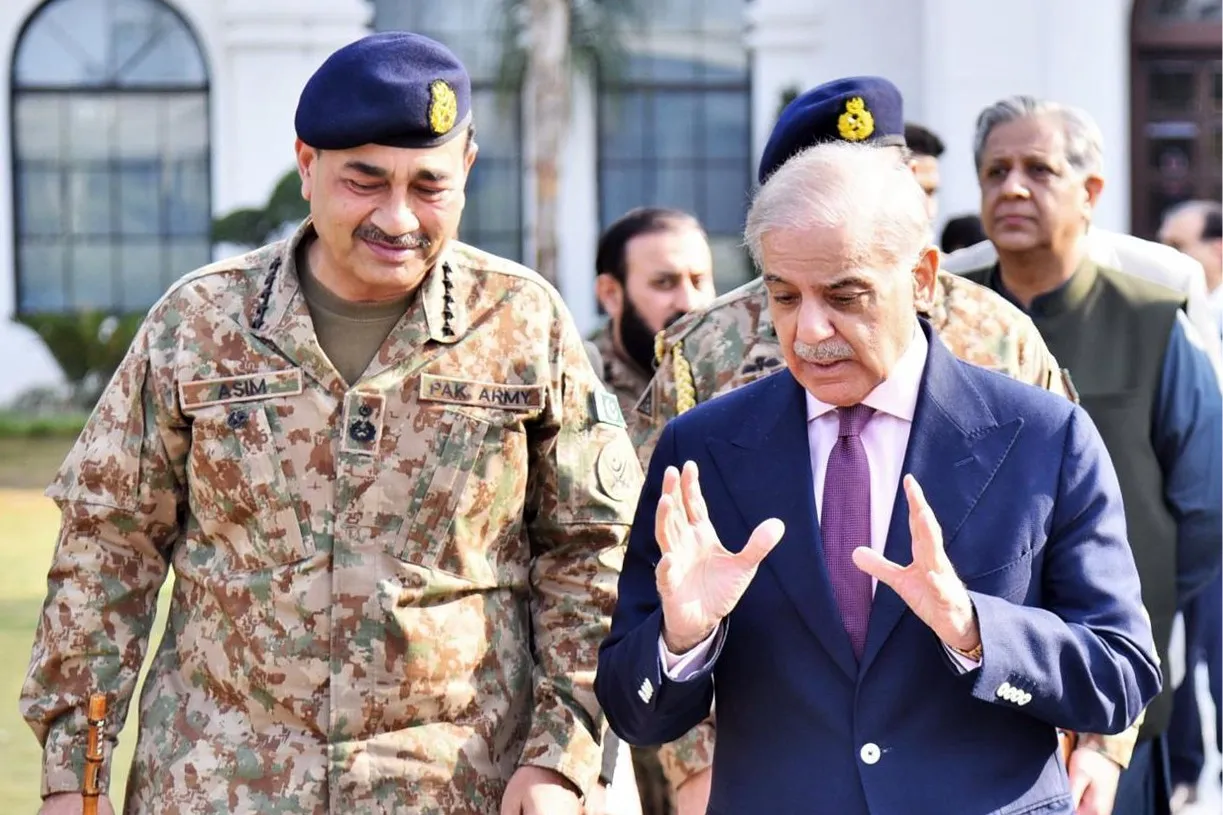
Pakistan Army Chief Asim Munir has capitalised on his warming relations with White House and Pakistan's longstanding ties with regional powers like Saudi Arabia, UAE, and Turkiye to drive this effort.
Islamabad's urgency stems largely from necessity to enhance global relevance after recent controversies, as well as securing economic leverage amid the Middle East instability.
Pakistan's eagerness to mediate in the US-Iran war, despite its ongoing conflict with Afghanistan, stems from urgent strategic, economic, and reputational needs.
This move allows Islamabad to project itself as a responsible global player amid domestic and regional crises.
General Munir and PM Shehbaz Sharif have pitched Islamabad as a neutral venue, earning apparent nods from US President Donald Trump, to reclaim relevance after conflicts with India, Iran, and now Afghanistan.
Pakistan is now trying to project itself largely to an "indispensable" status, as it delivers messages under pressure despite no confirmed direct US-Iran contact yet.
Meanwhile, Pakistan has declared an “open war” against Kabul, with airstrikes hitting several Afghan cities, including the capital, killing hundreds.
Recently, it killed over 400 in a Kabul drug rehabilitation centre bombing. The conflict roots in the disputed over-2,600-km Durand Line border, which Afghanistan rejects as a colonial division of Pashtun lands.
Pakistan accuses the Taliban of failing 2021 Doha pledges to curb terror groups allegedly using Afghan land, prompting reprisals like air strikes on perceived militant infrastructure.
A brief 2025 clash killed 17 civilians before a Qatar-Turkiye mediated ceasefire in October, but fighting resumed.
The breakdowns in Afghanistan-Pakistan relation stem from deep mistrust, and sovereignty claims, leaving hundreds dead in weeks of fighting.
Thus, Pakistan's mediator role in the Iran war — despite its Afghan quagmire — reveals desperate diplomacy.
“Asim Munir, hailed by President Trump as his ‘favourite field marshal’, just days ago killed hundreds by bombing Afghanistan’s largest drug rehabilitation hospital,” posted geostrategist and author, Brahma Chellaney on Facebook on Thursday.
The Kabul hospital bombing indeed tarnished Islamabad’s image, prompting a makeover via high-stakes mediation to offset condemnation and assert relevance.
“It was under Munir’s military leadership that Pakistan traded high-profile strikes with Iran in January 2024,” reminded Chellaney.
Now, while Islamabad rejects third-party fixes for its border woes, it offers itself as a neutral venue for US-Iran talks. A successful mediation could earn Pakistan – currently facing secessionist forces, political upheavals, and financial crunch – much-needed aid, trade deals, sanctions relief, all vital amid internal crises and FATF grey-listing for terror financing.
But, “Conveying Trump’s 15-point plan — demanding that Iran do at the negotiating table what it has resisted on the battlefield, namely capitulate — will only erode Munir’s credibility with Tehran,” warned the expert.
This Catch-22 risks overstretch. Intensified Afghan strikes coincided with Iran war escalation, suggesting divided focus could undermine credibility.
Regionally, it broadens security threats, while energy shocks from Iran threaten Pakistan's economy. Success in Iran could bolster leverage against Kabul, but failure might isolate Islamabad further.
Pak tries playing arbitrator between US-Iran, but continues its 'open war' on Kabul ignoring mediation overtures