New Delhi, March 18 : Pakistan is facing a major fuel crisis due to the disruption in oil supplies triggered by the Middle East conflict, as the Shahbaz Sharif government has failed to manage the fallout of the disruption in oil supplies through the Strait of Hormuz.
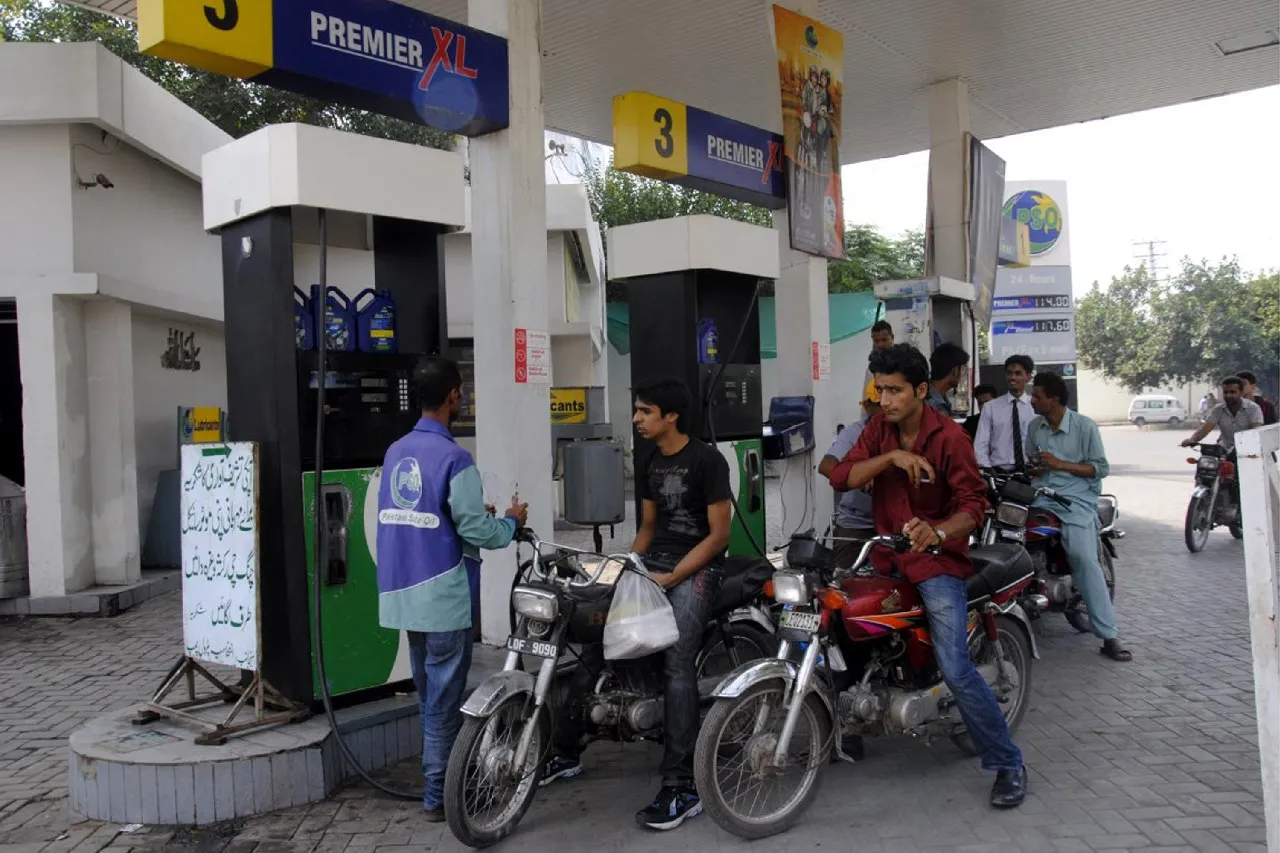
“In Pakistan, citizens wait for hours at petrol stations across various cities, paying 55 rupees more per litre than they did two weeks ago. The government is debating a vague plan to reduce the workweek to four days, halve the fuel allocation for state vehicles, and require schoolchildren to attend classes online,” according to an article in Pakistan’s The Nation newspaper.
The US experienced its largest surge since 1983, with crude futures rising 36 per cent in just one week. Meanwhile, Brent crude rose by about 18 per cent, pushing the price to $109 per barrel. Nearly 20 million barrels of oil, worth around $500 billion annually in global energy trade, pass through the Strait of Hormuz. When that vein is damaged or shut, most economies suffer, but some more quickly than others. Pakistan is among the faster ones, the article states.
The article highlights that Qatar and the United Arab Emirates (UAE) together account for 99 per cent of Pakistan’s liquefied natural gas (LNG) imports. Pakistan has limited storage capacity and procurement flexibility, making it highly vulnerable to supply disruptions. The country is facing a serious oil reserves shortage.
The Pakistan government has hurriedly asked Saudi Arabia to reroute crude shipments through the Red Sea ports of Yanbu, which are longer and more expensive. A struggling economy has yet to adapt to this economic shock. Pakistan’s commerce body urged the government to declare an energy crisis to protect itself from this intensified conflict, the article observes.
Pakistan, a founding member of the Organisation of Islamic Cooperation, faces a difficult question: where does it truly stand? Islamabad has adopted a confrontational posture publicly, yet behind the scenes, it is appealing to Riyadh for help to avoid the fallout of war. This reveals a stark diplomatic contradiction: publicly taking a hard stance against the Iran war while secretly seeking oil supplies from Riyadh. This isn’t genuine diplomacy but a clear drift, the article observes.
Overall, Pakistan should declare an energy emergency and implement fair and transparent energy rationing. We need to establish strategic petroleum reserves quickly, as this crisis has shown that Pakistan cannot even survive a two-week supply interruption, the article points out.
Additionally, more investment should be redirected towards renewable energy and domestic gas development. Clearly, the question of whether Pakistan needs energy reforms is now irrelevant; the real issue is that Pakistan cannot afford to delay any longer, the article added.
Pakistan struggles under major fuel crisis: Report