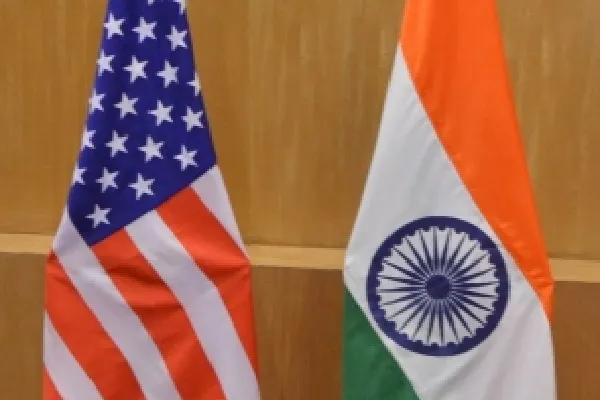
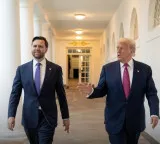
Washington, Jan 25 : Indian and US officials are pushing to resolve the last few hurdles in a proposed bilateral trade agreement, with both sides close on substance but still divided on several sensitive tariff and sequencing issues, with both sides aiming for a durable deal that restores predictability and stability to bilateral trade.
Negotiations over the last few weeks have narrowed to a small set of unresolved items, those familiar with the talk said. Technical teams are continuing discussions. Once it’s cleared by the US Trade Representative and India’s Commerce Ministry, it would be sent to Prime Minister Narendra Modi and President Donald Trump for final approval.
Over the last couple of months, Prime Minister Modi and President Trump have had several rounds of phone calls, during which they are believed to have discussed the contours of the proposed trade agreement. In Davos, Trump expressed confidence in a great trade deal between India and the US.
One of the first results of the long-awaited trade deal is likely to be the lifting of the 50 per cent tariff on Indian exports to the US, imposed since last summer. While many sectors, like Indian textiles, have been significantly impacted by this tariff, officials noted that overall bilateral trade between the two countries has increased by a high single digit.
Officials described a mixed picture beneath the headline numbers. Textiles and apparel have been cited as key areas under pressure, though some fabric categories recorded modest gains. Pharmaceutical exports showed a similar pattern. Overall volumes grew.
Another factor hovering over the talks is legal uncertainty in the United States. A possible Supreme Court ruling on the authority of tariff authorities is not directly shaping negotiations, officials said. But it remains a risk on the horizon.
Support for the relationship remains strong in the US Congress, officials said. Lawmakers from both parties have voiced support for closer economic ties.
At the same time, officials have acknowledged that immigration-related developments have affected business sentiment. Higher fees on certain skilled-worker visas have raised concerns among companies and professionals. While not part of the trade talks, these issues shape perceptions of the broader relationship.
Sources said the possibility of a US Supreme Court ruling affecting the legal basis of certain tariffs looms in the background. Such a decision could force Washington to rely on alternative statutory authorities that carry tighter limits on tariff levels and duration, potentially disrupting the political narrative around trade enforcement.
India, US work to clear final hurdles in bilateral trade deal talks