New Delhi, Aug 18 : When US President Donald Trump praised India’s voter identification system and cited it as an example for the United States, he put the spotlight on one of the world’s most extensive electoral frameworks. Referring to his conversation with Chief Election Commissioner Gyanesh Kumar, Trump questioned how elections could be conducted in the US without mandatory photo identification and renewed his support for the SAVE America Act, which proposes documentary proof of citizenship and government-issued photo identification for federal elections.
India’s electoral strength, however, goes far beyond the voter ID card. At the centre of the system is the Election Commission of India, an independent constitutional authority entrusted with conducting elections to the Lok Sabha and Rajya Sabha, State Legislative Assemblies and Councils, and the offices of the President and Vice President.
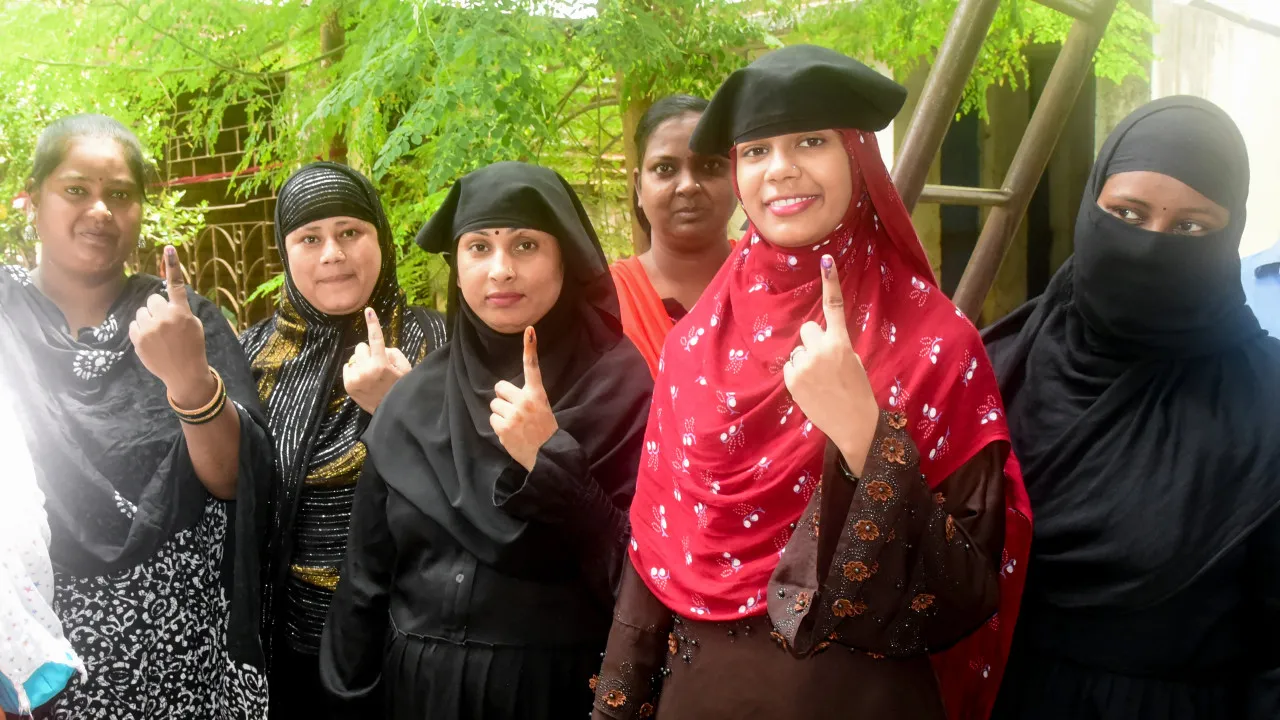
The scale of the exercise is enormous. In the 2024 Lok Sabha election, more than 642 million people voted, making it one of the largest democratic exercises ever conducted. Millions of voters are spread across more than a million polling stations, from remote villages and difficult terrain to major cities.
The foundation is the electoral roll. Booth Level Officers help prepare, verify and update voter lists at the grassroots. Political parties can appoint Booth Level Agents to scrutinise these rolls and flag discrepancies. This creates a system in which the preparation of electoral rolls is subject to political as well as administrative scrutiny.
At the polling station, voters are generally identified through the Electoral Photo Identity Card, or EPIC, though the Election Commission also permits other approved identification documents. Digital e-EPIC services have further expanded access to voter identification and electoral information.
Another important safeguard is the presence of representatives of candidates and political parties. Polling agents can observe proceedings inside polling stations, while counting agents are present during the counting of votes. Their role provides an additional layer of scrutiny at both stages.
Technology adds another dimension. Electronic Voting Machines, backed by Voter Verifiable Paper Audit Trail systems, are subject to prescribed procedures for commissioning, sealing, storage, transportation and verification. Strong rooms, election observers and detailed counting procedures add further safeguards.
According to experts, India’s electoral robustness therefore rests on multiple checks and balances—not merely on voter identification. “From voter registration and polling to counting and verification, the system combines constitutional oversight, administrative machinery, political-party scrutiny, candidate representatives and technology,” say officials.
India’s election model draws Trump's praise: A system built on multiple checks