US lawmakers question Trump's Iran war strategy
Washington, March 8 : The US lawmakers, on Sunday, raised sharp questions about the objectives and potential duration of President Donald Trump's expanding military campaign against Iran, warning that the administration must clearly explain its strategy to the American people and the Congress.
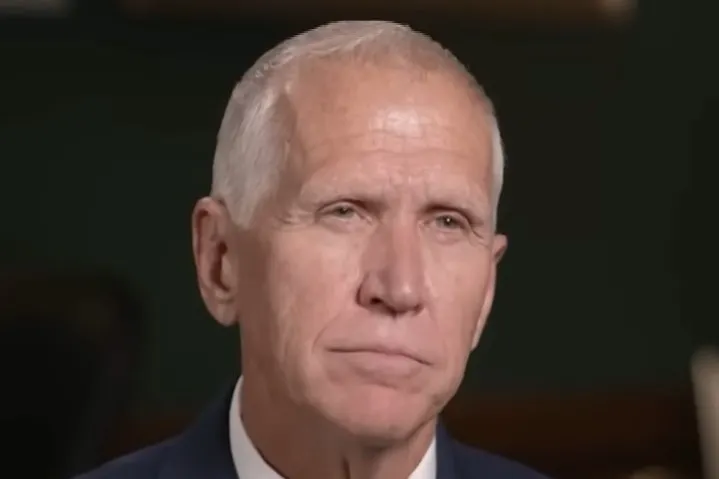
Speaking to CNN, Republican Senator Thom Tillis said the White House needs to clarify its goals as the conflict enters its second week.
"I think that the administration needs to be clear on what the goal is," Tillis added.
"If our ultimate goal is going to be regime change, then it may take longer than the 60 days that the war powers resolution provides the President before they really do need to come before the US Congress and get it authorised," he said.
Tillis said the US Congressional backing would strengthen the legitimacy of a prolonged military effort.
"Wouldn't we want to legitimise this by getting a Congressional vote supporting the President if it's going to be a long-term engagement?" he added.
The North Carolina Senator also suggested that if US forces are deployed on the ground, the conflict could evolve into a longer campaign.
"When you start putting boots on the ground, and those boots on the ground may need reinforcement, that starts looking like a longer-term conflict," Tillis said.
Democratic Senator Chris Murphy offered a far more critical assessment of the war, warning that the conflict risks becoming another costly Middle East campaign.
"This is already a war that is becoming an ongoing disaster," Murphy said in the same CNN interview.
"It gets worse if the President is talking about putting ground forces in," he said, adding that such a move could lead to significant American casualties.
"You're talking at that point about dozens, if not hundreds of new American casualties," Murphy said.
He also added that military strikes alone cannot permanently eliminate Iran's nuclear capabilities.
"You can't bomb knowledge out of existence," he said.
"Even if you were to do something wildly dangerous, like putting American ground forces in order to try to extract some of their enriched uranium, there's still going to be the knowledge inside Iran."
The Senator urged a return to diplomacy, pointing to the nuclear agreement negotiated during the Obama administration.
"A diplomatic agreement," Murphy said, describing it as the "only true path" to ensure Iran does not obtain nuclear weapons.
Murphy also criticised plans to approve additional funding for the conflict, saying the American public does not want another long-running war in the region.
"The American people don't want this war," he said.
"They have seen what happens when American troops go into places like Iraq, places like Afghanistan."
Meanwhile, in an interview with ABC News, US Ambassador to the United Nations, Mike Waltz, defended the Trump administration's strategy and said Washington was achieving its military objectives.
"In terms of our military objectives, the President is right, we are not only ahead of schedule, we are winning," Waltz said.
He added that the campaign was aimed at neutralising Iran's ability to threaten the US and its allies.
"At the end of the day, what the President is focused on is an Iran that can no longer pose a threat to Americans," the US envoy to UN said, adding that the goal was also to ensure Tehran could no longer threaten "our allies in the region".
Waltz said the campaign had already significantly degraded Iran's military capabilities.
"We've seen ballistic missile launches from Iran largely degraded," he said, noting that launch activity had fallen dramatically since the start of the war.
The debate in Washington comes as the conflict expands across the region and oil prices surge amid disruptions to shipping through the Strait of Hormuz.
Speaking to CNN, Republican Senator Thom Tillis said the White House needs to clarify its goals as the conflict enters its second week.
"I think that the administration needs to be clear on what the goal is," Tillis added.
"If our ultimate goal is going to be regime change, then it may take longer than the 60 days that the war powers resolution provides the President before they really do need to come before the US Congress and get it authorised," he said.
Tillis said the US Congressional backing would strengthen the legitimacy of a prolonged military effort.
"Wouldn't we want to legitimise this by getting a Congressional vote supporting the President if it's going to be a long-term engagement?" he added.
The North Carolina Senator also suggested that if US forces are deployed on the ground, the conflict could evolve into a longer campaign.
"When you start putting boots on the ground, and those boots on the ground may need reinforcement, that starts looking like a longer-term conflict," Tillis said.
Democratic Senator Chris Murphy offered a far more critical assessment of the war, warning that the conflict risks becoming another costly Middle East campaign.
"This is already a war that is becoming an ongoing disaster," Murphy said in the same CNN interview.
"It gets worse if the President is talking about putting ground forces in," he said, adding that such a move could lead to significant American casualties.
"You're talking at that point about dozens, if not hundreds of new American casualties," Murphy said.
He also added that military strikes alone cannot permanently eliminate Iran's nuclear capabilities.
"You can't bomb knowledge out of existence," he said.
"Even if you were to do something wildly dangerous, like putting American ground forces in order to try to extract some of their enriched uranium, there's still going to be the knowledge inside Iran."
The Senator urged a return to diplomacy, pointing to the nuclear agreement negotiated during the Obama administration.
"A diplomatic agreement," Murphy said, describing it as the "only true path" to ensure Iran does not obtain nuclear weapons.
Murphy also criticised plans to approve additional funding for the conflict, saying the American public does not want another long-running war in the region.
"The American people don't want this war," he said.
"They have seen what happens when American troops go into places like Iraq, places like Afghanistan."
Meanwhile, in an interview with ABC News, US Ambassador to the United Nations, Mike Waltz, defended the Trump administration's strategy and said Washington was achieving its military objectives.
"In terms of our military objectives, the President is right, we are not only ahead of schedule, we are winning," Waltz said.
He added that the campaign was aimed at neutralising Iran's ability to threaten the US and its allies.
"At the end of the day, what the President is focused on is an Iran that can no longer pose a threat to Americans," the US envoy to UN said, adding that the goal was also to ensure Tehran could no longer threaten "our allies in the region".
Waltz said the campaign had already significantly degraded Iran's military capabilities.
"We've seen ballistic missile launches from Iran largely degraded," he said, noting that launch activity had fallen dramatically since the start of the war.
The debate in Washington comes as the conflict expands across the region and oil prices surge amid disruptions to shipping through the Strait of Hormuz.