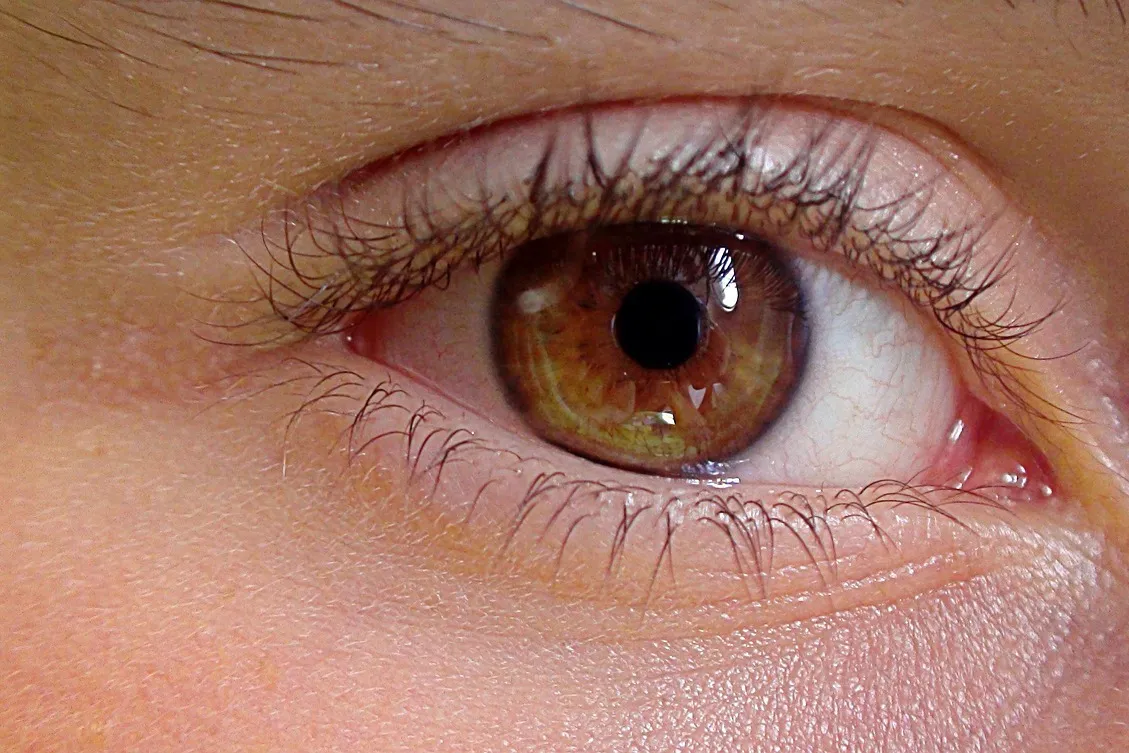
Conjunctivitis, also known as pink eye, is an inflammation of the conjunctiva, the clear tissue that covers the white part of the eye. During the summer months, pink eye becomes more common due to an increase in viral and bacterial infections, as well as exposure to allergens like pollen and dust. Additionally, irritants such as chlorinated pool water and outdoor activities that bring us into contact with chemicals can also trigger the condition. The warm and humid weather provides an ideal breeding ground for these infectious agents, leading to a rise in cases.
The symptoms of conjunctivitis include red, swollen eyes, itching, and watery or sticky discharge, often worse in the morning. It may also cause a gritty sensation or sensitivity to light. While viral and allergic conjunctivitis can often resolve on their own, maintaining good hygiene is crucial to preventing the spread of the infection. This means frequent handwashing, avoiding touching your eyes, and not sharing towels, makeup, or contact lenses with others. For those prone to allergies, it’s important to stay indoors during high pollen days and avoid dusty environments.
To manage and prevent pink eye during the summer, cold or warm compresses can be used to reduce irritation, while lubricating eye drops may offer relief. If symptoms persist or worsen, it’s essential to seek medical attention. Antibiotics may be prescribed for bacterial conjunctivitis, and antihistamines for allergic reactions. Avoid wearing contact lenses until the infection clears, and always ensure that they are disinfected properly before reuse. Early intervention and preventive care can help you stay comfortable and recover quickly.
Summer’s Silent Threat: How to Protect Yourself from Pink Eye!