
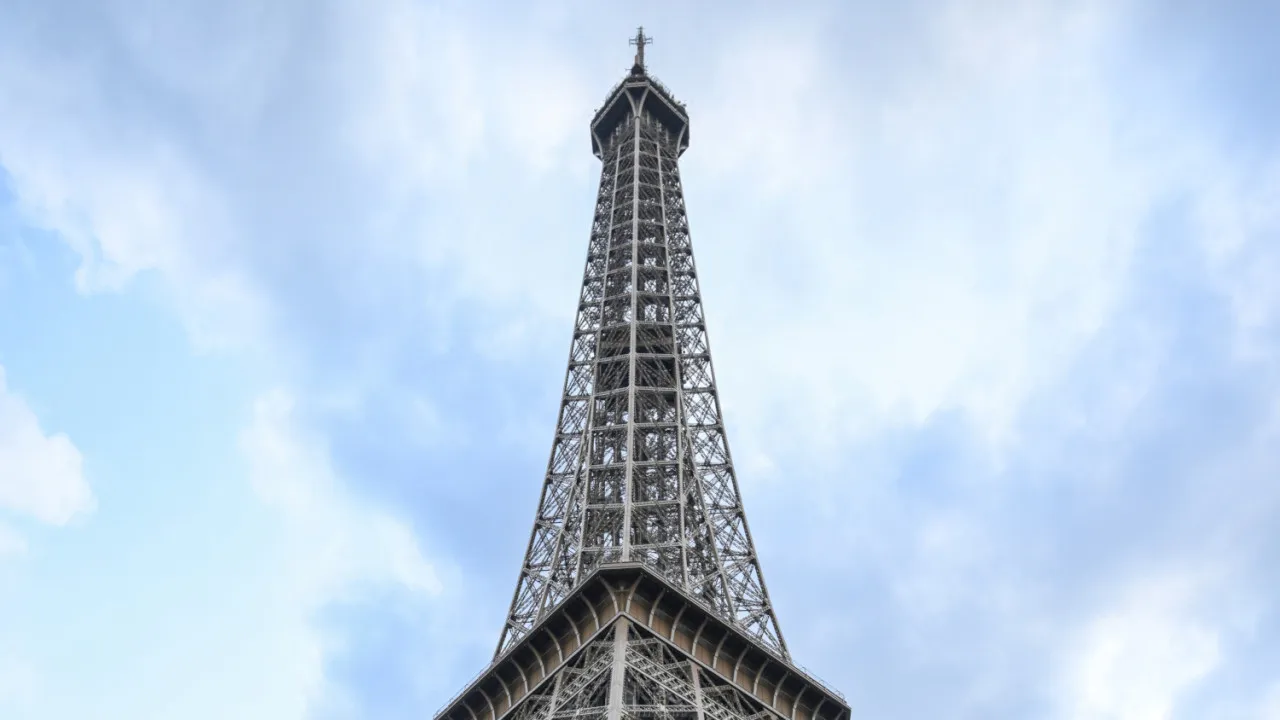
The Eiffel Tower was closed to visitors on Thursday due to a nationwide strike in France, as demonstrations also took place across the country. "Due to the nationwide strike, the Eiffel Tower is closed today," the landmark's official website announced. By 1 p.m. local time (1200 GMT), 270,000 demonstrators had been reported at 180 demonstrations across France, excluding Paris, French television channel BFM TV reported, citing sources close to the interior minister.
According to figures released by the French Ministry of National Education, 15.81 per cent of teachers were on strike on Thursday, BFM TV reported. Meanwhile, nearly 33 per cent of higher education institutions were disrupted by the movement as of midday, affecting 60 of the country's 184 institutions. Nearly 10 per cent of employees in the French state civil service took part in Thursday's strike over salaries and purchasing power, according to figures released by the Ministry of Public Action and Accounts, Xinhua News Agency reported.
The protests come after French lawmakers rejected the first part of the 2027 budget bill. The French government's original budget proposal will now be presented before the Senate, with a vote set to be held on December 9, Euro News reported. A parliamentary committee will then try to broker a compromise before the legislation is again presented in the National Assembly.
France has witnessed protests for several weeks, triggered by student demonstrations which began in September against overcrowded classrooms, teacher shortages and problems they face in getting admission to universities.
The protests have since intensified as trade unions have expressed support for demands raised by the students and held marches against the cost of living crisis and increasing prices of fuel. French Interior Minister Laurent Nunez said that over 70,000 law enforcement personnel will be deployed on Thursday.
He said that the "primary mission" of security forces was to ensure that protests took place "peacefully" and without any incidents, Euro News reported. Nunez mentioned that intelligence services had found "considerable interest" from the far-left movement and violent protest groups with "several possible aims: taking part in them to provoke unrest; organising unauthorised marches; and carrying out looting and vandalism targeting businesses or public buildings."


