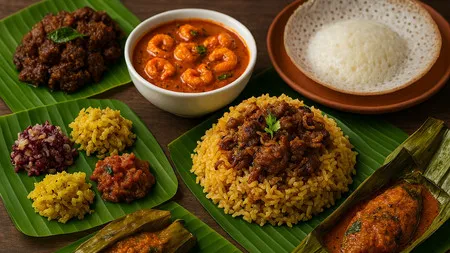
Thiruvananthapuram, July 27 : In Kerala, beef, for long an integral part of the cuisine and served openly in restaurants without the social or political taboo seen in several other states, is fast becoming an expensive indulgence.
Retail prices, which hovered between Rs 340 and Rs 400 a kilogram until a few months ago, have now climbed to nearly Rs 500, leaving both consumers and traders worried over the shrinking supply.
For many long-time meat sellers, the crisis is unlike anything they have witnessed before.
A trader in the state capital, who has been in the business for nearly five decades, says the soaring prices are only one part of the problem.
The bigger concern, he says, is the dwindling availability of cattle. "Karnataka was one of Kerala's principal sources of cattle. But with politics surrounding beef becoming increasingly sensitive, transporting cattle into the state has become far more difficult than before," he said.
Licensed traders also blame what they describe as lax enforcement by local bodies.
According to them, roadside vendors operating without licences or permanent shops have mushroomed, undercutting established businesses.
"These operators do not pay licence fees or shop rent. They begin selling before sunrise, dispose of their stock within a few hours and disappear. Since their overheads are negligible, they can sell beef Rs 40 to Rs 50 a kilogram cheaper than licensed shops," another trader said, adding that the uneven playing field has made survival difficult for legitimate businesses.
The changing character of Kerala's landscape has added another dimension to the shortage.
With rapid urbanisation and shrinking homesteads, rearing one or two cattle, a common practice in many households until a generation ago, has become increasingly rare.
"Earlier, families kept cattle for milk, and eventually the animals entered the meat supply chain. Today, even those willing to rear cattle face resistance from neighbours over odour, waste disposal, and space constraints," a vendor said.
The combined effect of tighter supply, rising transportation hurdles, changing land-use patterns and the proliferation of unregulated sellers has squeezed the market.
For consumers, it means paying record prices for a food that has traditionally been both affordable and widely available.
Today, Kerala's favourite meat is steadily becoming harder to find and harder to afford.
Beef turns costly luxury in Kerala as supplies shrink, prices soar