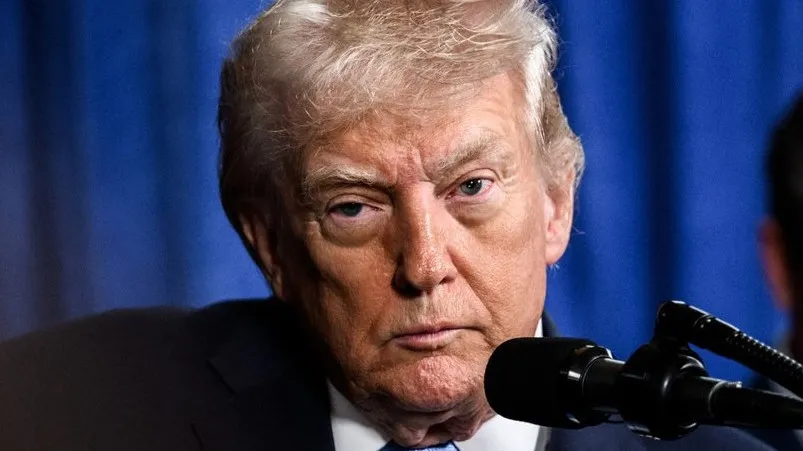
Washington, June 22 : US President Donald Trump's memorandum of understanding with Iran came under sustained bipartisan criticism, with lawmakers, former officials and policy experts questioning whether Tehran had gained more from the agreement than Washington.
The criticism came as Vice President JD Vance continued talks with Iranian officials in Switzerland and administration officials defended the deal as the start of a diplomatic process aimed at preventing Iran from obtaining a nuclear weapon.
Speaking on CBS's Face the Nation, US Ambassador to the United Nations Mike Waltz said the administration was approaching negotiations with Iran "eyes wide open" and remained focused on ensuring that Iran could never acquire a nuclear weapon.
"We need to give this process a chance. We need to give peace a chance," Waltz said.
He argued that the United States was entering negotiations "from a position of strength" and said any future arrangements would be based on "verification, no trust".
But criticism emerged from both parties.
Democratic Senator Cory Booker told NBC's Meet the Press that he did not support the agreement and described it as "an abject surrender".
"Iran gets all of the benefits, literally billions and billions of dollars," Booker said. "This has been a cataclysmic failure of his making."
Former Defence Secretary Mark Esper also expressed reservations about the agreement despite welcoming the ceasefire and the reopening of the Strait of Hormuz.
"When I look at the MOU, there are many of the points that I have serious questions about and concerns about," Esper said.
His principal concern, he added, was that "too many of the incentives in my view have been given up front instead of later in the deal".
On CBS, Republican Senator Lindsey Graham backed continued diplomacy but acknowledged shortcomings in the agreement.
"Is the MOU problematic? Yes," Graham said. "I would rather try diplomacy than take it off the table."
Graham nevertheless predicted severe consequences if negotiations failed.
"If this diplomatic effort fails, President Trump is going to take the Strait of Hormuz," he said. "We're going to run it."
The debate also exposed divisions within Trump's own party.
CBS aired comments from several Republican senators expressing concern about the agreement. Senator Ted Cruz said, "If we give billions of dollars to Iran, that money will be used to murder Americans." Senator John Cornyn warned that Iran could use released funds to rebuild its military capabilities.
Energy and foreign policy experts also questioned the agreement's long-term implications.
Amos Hochstein, a former White House energy adviser, argued that the deal granted significant concessions to Tehran. "This agreement made America less safe," he said.
Kevin Book of ClearView Energy Partners said the arrangement appeared more permissive than earlier agreements with Iran, particularly regarding oil exports.
Despite the criticism, Waltz insisted the administration remained committed to a negotiated outcome.
"I have full confidence that we'll get to a deal," he said.
The memorandum of understanding signed last week ended nearly four months of conflict between the United States and Iran and opened a 60-day period for negotiations on Tehran's nuclear programme and regional security issues.
Trump faces backlash over Iran agreement
Advertisement