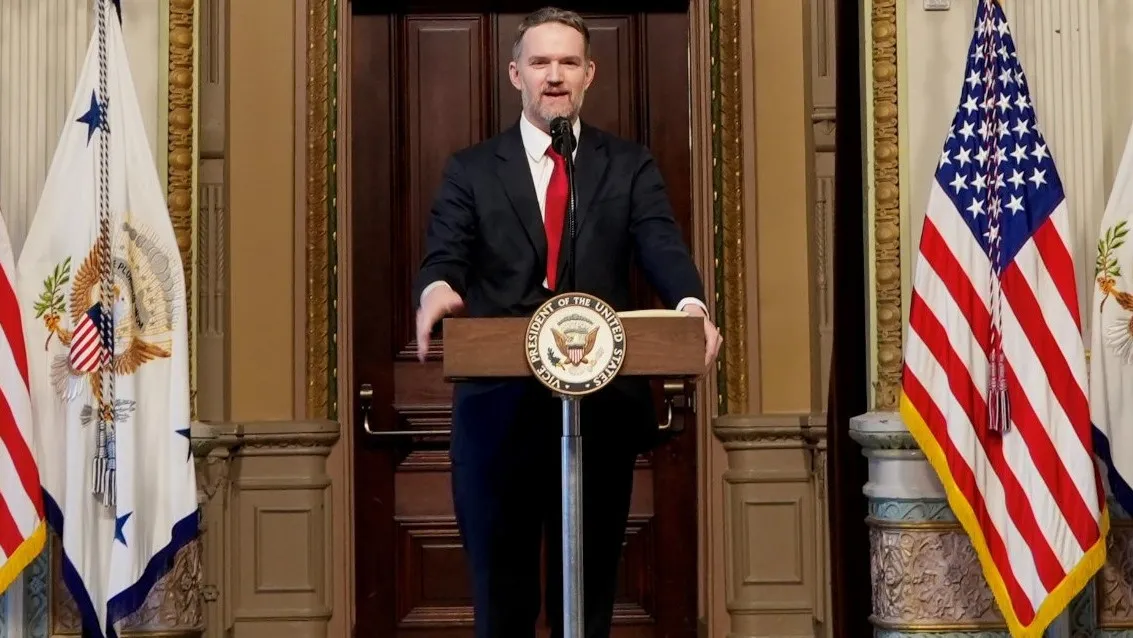
Washington, June 3 : US Trade Representative (USTR) Jamieson Greer has said that President Donald Trump's administration will release results of its trade investigations into dozens of trading partners, including South Korea, China and Japan, "over the next few weeks."
Greer made the remarks in a CNBC interview, as the investigations have been in progress under Section 301 of the 1974 Trade Act to uncover "unfair" trade practices related to "structural" excess capacity and production, and to determine whether the countries have taken steps to ban imports produced with forced labour.
The investigations could result in new tariffs or other trade measures, reports Yonhap news agency.
"What we're doing now is we have investigations ongoing in my office of the U.S. Trade Representative, and we're investigating specific unfair trading practices by different countries, and we're covering a lot of countries over 70 countries," he said.
"So you will see over the next few weeks, we'll be releasing reports on our findings, and if we find unfair trading practices, structural excess capacity, forced labor, things like this, we'll put out proposals on how we think we should fix it, and that may be proposed tariffs or other things," he added.
Greer also said that he cannot prejudge the investigation outcomes, but the administration does know that there have been "persistent unfair trade practices globally."
He pointed out that the Trump administration is trying to have tariffs applied to "reshore" to protect American manufacturing.
Where we don't need to have a tariff, you don't need to have it. But our sense is we have a giant trade deficit," he said. "We have a lot of offshoring, so we do need substantial tariffs applied."
The U.S. has been carrying out trade investigations to replace country-specific "reciprocal" tariffs that were struck down by the Supreme Court in February. Section 301 is a legal provision that allows the USTR to investigate unfair foreign trade practices on a country-by-country basis.
Before the top court ruling, South Korean products were subject to a 15 percent reciprocal tariff under a bilateral trade agreement with the US.
Greer also cited South Korea's rise as a "steelmaking powerhouse" in a recent article defending President Donald Trump's tariff policy and criticising foreign government intervention.
US to release results of Section 301 trade investigations over coming weeks
Advertisement