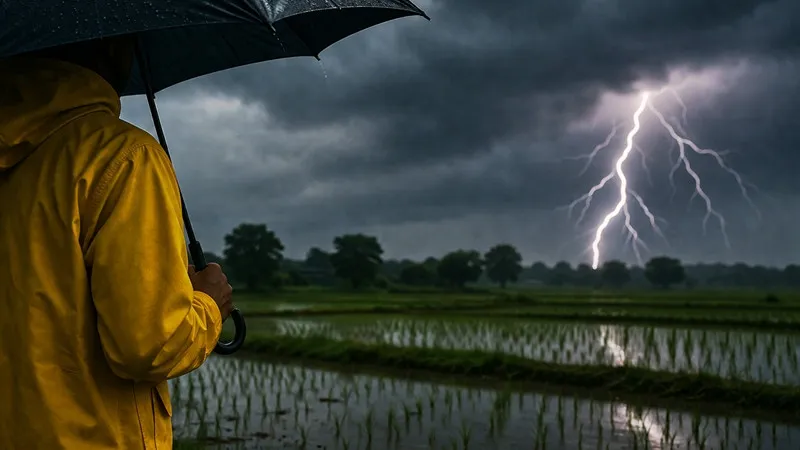
Amaravati, April 15 : The National Remote Sensing Centre (NRSC) and the Andhra Pradesh State Disaster Management Authority (APSDMA) on Wednesday signed a Memorandum of Understanding to work together to minimise deaths caused by lightning in the state.
The collaboration will focus on improving community preparedness and strengthening existing response mechanisms to ensure a more resilient disaster management framework across Andhra Pradesh.
According to an official release, through this agreement, both organisations will work together to identify lightning hotspots across the state and conduct detailed risk assessments. By pinpointing the most affected areas, they aim to formulate practical prevention strategies and strengthen statewide safety measures.
A significant focus will be placed on improving early warning systems to provide timely and accurate alerts to the public before lightning strikes occur.
Prakhar Jain, Managing Director of the State Disaster Management Authority, and Dr Aparna, Deputy Director of NRSC, signed the agreement.
Prakhar Jain said that, in accordance with the directives of Chief Minister N. Chandrababu Naidu, the state government has taken a key decision aimed at progressively reducing deaths caused by lightning strikes in rural areas.
To facilitate this, a Memorandum of Understanding (MoU) was signed on Wednesday at the APSDMA office between NRSC and APSDMA.
Managing Director Prakhar Jain explained that the primary objective of the MoU is to assist the Government of Andhra Pradesh in minimising the loss of life and property due to lightning strikes.
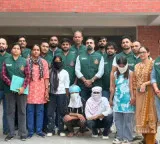
The programme was attended by APSDMA Executive Director K. Kouser Bano, along with NRSC scientists Muvva Venkata Ramana, Alok Taori, Satyanarayana and Venkatesh, as well as several other disaster management officials.
At a review meeting last week, Chief Minister Chandrababu Naidu had directed officials to use the latest technology to alert people in advance and prevent deaths due to lightning.
He said alerts should not be limited to mobile messages. Field-level staff must also be activated, and network-based alerts should inform people within specific tower locations about potential lightning risks, he added.
Andhra govt ties up with NRSC to improve lightning alerts, cut deaths
Advertisement