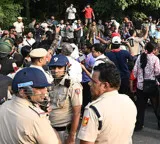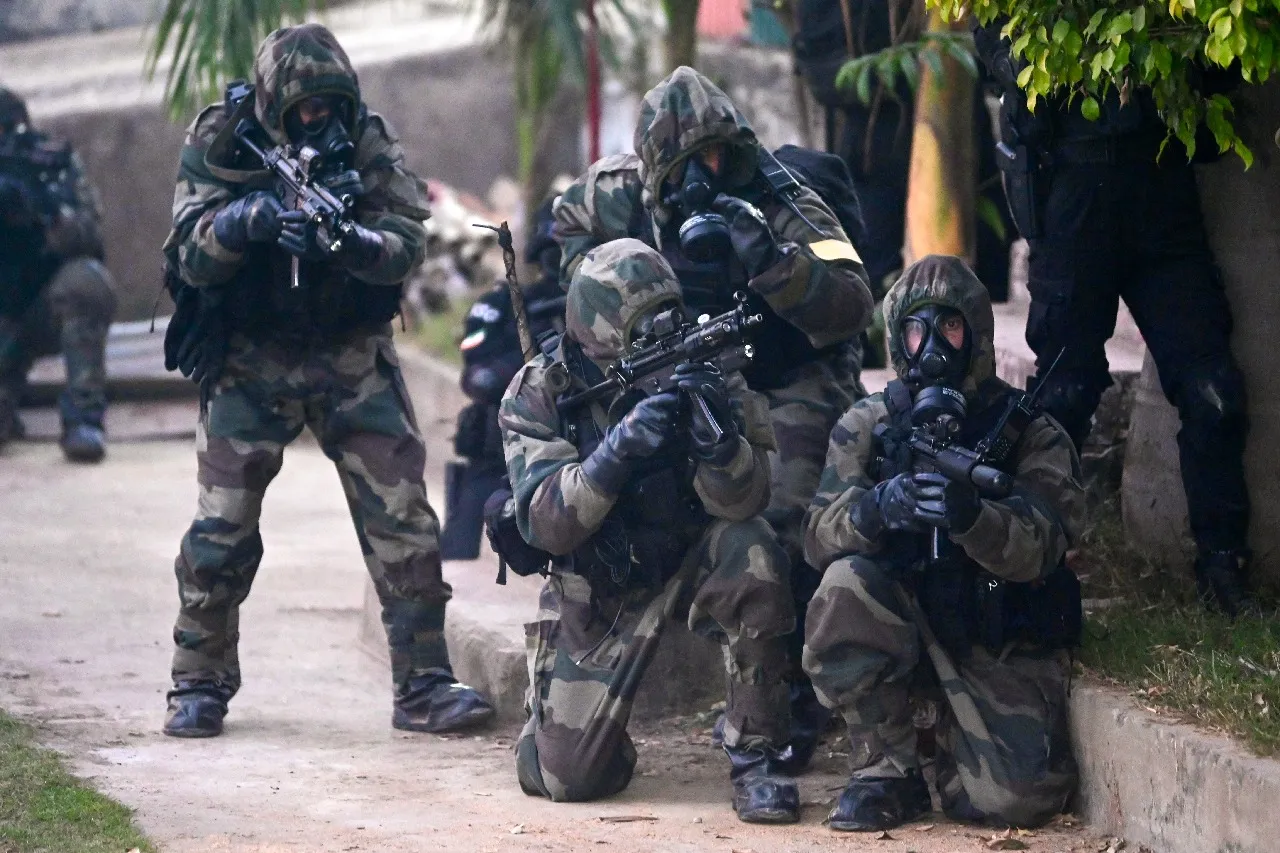
As India prepares for the upcoming national drill in 2025, it’s worth looking back at the historical precedent set in 1971, when the country witnessed its most extensive civil defence mobilization.
1971 National Defence Drills: A Wartime Necessity
In the run-up to the India-Pakistan war of 1971—an event that led to the creation of Bangladesh—the Indian government launched a nationwide series of mock drills to prepare for potential air raids and invasions. The threat was very real, and so was the response.
Key Highlights
Blackouts across cities: Major urban centers like Mumbai plunged into darkness for up to 13 nights. Lights were switched off or heavily shielded to avoid detection by enemy aircraft.
Camouflage and decoys: Strategic installations including oil depots, railway yards, and factories were hidden using tarpaulins, foliage, mud, and camouflage nets. Dummy structures were erected to mislead enemy bombers.
Air raid sirens: Sirens regularly signaled mock attacks, prompting civilians to take cover, duck, and evacuate as part of air raid drills.
Shelter and evacuation training: Schools and local communities practiced moving into bunkers and trenches—many of which were cleaned, stocked, and made fully operational.
Widespread participation: Students, NCC cadets, Home Guards, and civil defence volunteers played an active role in these drills.
Taj Mahal camouflaged: In a symbolic move, even national monuments like the Taj Mahal were draped with green coverings for protection.
Lasting Impact
The 1971 mock drills were the most extensive civilian defence exercise in independent India’s history. They not only tested readiness at every level but also set the template for future emergency preparedness.
2025 National Defence Drill Drill: A Modern-Day Revival
Why Now?
The 2025 National Defence drill, scheduled for May 7, comes in the wake of the April 22 Pahalgam terror attack. With rising security concerns, this exercise marks the first nationwide civil defence operation of such scale in over five decades.
Scale and Scope
Geographical reach: The drill spans 244–259 districts across all states and union territories, extending even to rural villages.
Participants: Government officials, civil defence volunteers, NCC and NSS members, NYKS, students, and defence forces.
Simulated scenarios:
- Air raid sirens and blackout simulations
- Camouflage of critical installations
- Bunker inspections and readiness checks
- Evacuation and movement to safe zones
- Emergency training: first aid, shelter management, and communication drills
- Testing of coordination between civil authorities and the Indian Air Force
Temporary disruptions—such as controlled power cuts, mobile signal blackouts, and traffic diversions—may occur during the drill. However, essential services will remain functional.