Mirai, starring Teja Sajja, is directed by Karthik Ghattamaneni and produced by TG Vishwa Prasad under People Media Factory. Manchu Manoj plays the antagonist, while Ritika Nayak, Shriya Saran, Jagapathi Babu, and Jayaram appear in key roles. Released amid high expectations, let’s see if Mirai lived up to the hype.
Plot Summary:
The story begins during Emperor Ashoka’s reign, right after the Kalinga War. Deeply transformed by the war, Ashoka ends his conquests and seals divine powers in nine sacred texts, entrusting nine warriors to safeguard them. Generations later, a dark sorcerer named Mahaveer (Manchu Manoj) learns about the texts and sets out to acquire them.
Ambika (Shriya Saran) realizes the threat and sends Vibha (Ritika Nayak) on a mission. Vibha approaches Ved (Teja Sajja), a carefree scrap dealer in Hyderabad, who is unaware of his true lineage. She reveals the history of the nine texts and the evil force pursuing them. To stop Mahaveer, Ved must reach the Himalayas to obtain a divine weapon called Mirai. The rest of the story unfolds with Ved’s journey, the challenges he faces, Mahaveer’s dark past, and the truth about Ved’s mother Ambika.
Analysis:
The title Mirai itself creates intrigue and instantly connects with the audience. The trailer promised rich visuals, and the film delivers without disappointment. Karthik Ghattamaneni’s screenplay weaves together history, spirituality, and fantasy with gripping storytelling.
The narrative spans across Varanasi, the Himalayas, Japan, Tibet, and Morocco, offering a global scale. Linking Ashoka’s era to Lord Rama feels convincing, while incorporating the goddess Baglamukhi from Dasha Mahavidyas adds spiritual depth. The themes of mother, guru, and divinity hold the story together, making it emotionally strong. The climax reaches a high note, giving audiences a thrilling experience.
Performances:
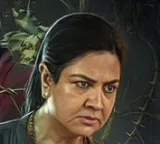
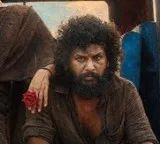
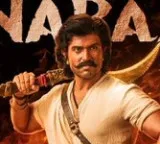
Teja Sajja fits his role well, balancing casual charm with intensity when needed. Manchu Manoj shines as the villain, delivering a powerful negative role. Ritika Nayak, though not a typical heroine, impresses with her simplicity and beauty. Shriya Saran leaves her mark, while Jagapathi Babu’s new look is refreshing. Supporting roles are adequately done.
Technical Aspects:
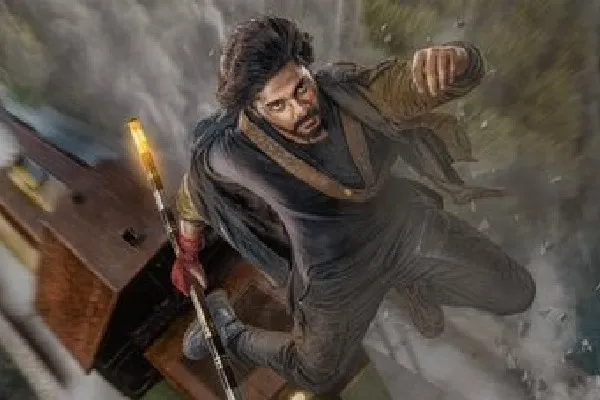
Karthik Ghattamaneni’s cinematography is visually striking, especially the Himalayan sequences, which elevate the film to another level. Gowra Hari’s background score is a strong backbone, adding grandeur to key moments. Sreekar Prasad’s editing ensures a crisp flow, keeping the screenplay tight. The graphics and production design complement the story effectively.
Final Verdict:
Mirai combines a strong story, engaging narrative, breathtaking visuals, and fitting music to deliver an impressive fantasy entertainer. With all departments firing well, this stands as one of the most well-rounded films in recent times.
Advertisement
Mirai Movie Review
Advertisement
Movie Details
Movie Name: Mirai
Release Date: 2025-09-12
Cast: Teja Sajja, Manchu Manoj, Ritika Nayak, Shriya Saran, Jagapathi Babu, Jayaram
Director: Karthik Ghattamaneni
Music: Gowra Hari
Banner: People Media Factory
Review By: Peddinti
Advertisement
Disclaimer:
This review is based on the reviewer’s individual perspective. Audience opinions may vary.
Trailer