Natural Foods to Increase Sperm Quantity and Quality
When aiming to improve sperm health, certain natural foods can play a crucial role in enhancing sperm count, motility, and overall quality. These foods are rich in essential nutrients, antioxidants, and healthy fats that protect sperm from oxidative stress and support reproductive health. Incorporating these foods into the diet can be an effective strategy for improving male fertility.
Key Foods to Boost Sperm Health
Oysters: High in zinc, oysters are vital for testosterone production and sperm development. They are an excellent choice for improving sperm health.
Dark Leafy Greens (e.g., spinach): Rich in folate, these greens contribute to improved sperm density and motility, which are essential for healthy reproduction.
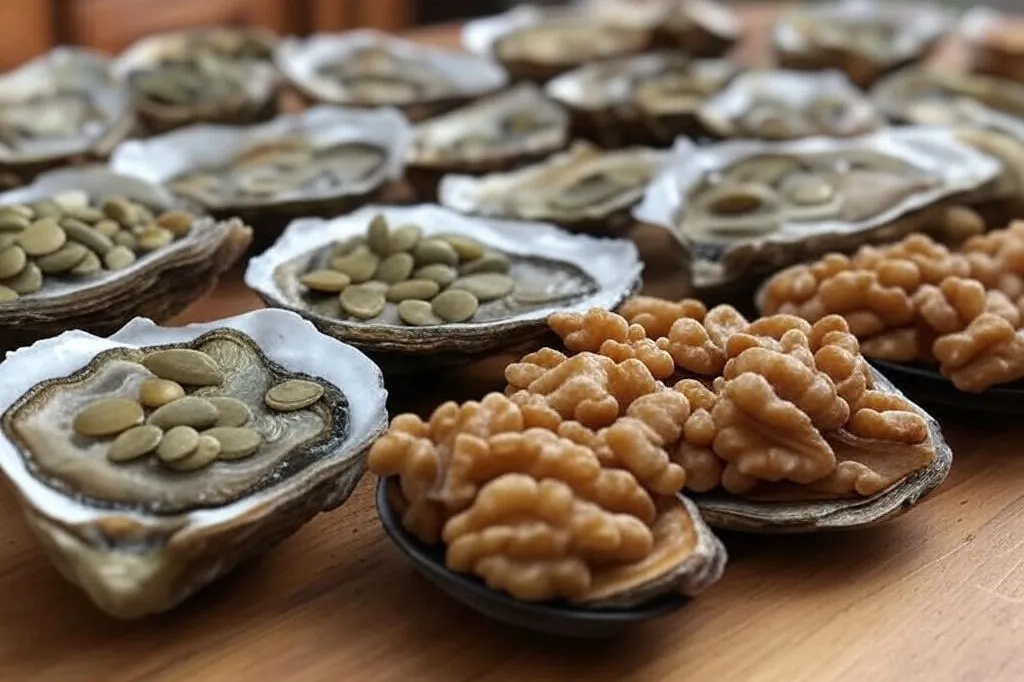
Walnuts: Packed with omega-3 fatty acids, folate, and antioxidants, walnuts support sperm shape, motility, and overall count.
Fatty Fish (salmon, sardines): Omega-3s and vitamin D found in fatty fish are linked to better sperm production and quality.
Eggs: A source of vitamin E and protein, eggs protect sperm from oxidative damage and support healthy sperm development.
Bananas: High in vitamins C, A, B1, and bromelain, bananas are known to enhance sperm quality and motility.
Asparagus: Loaded with vitamin C and antioxidants, asparagus helps protect sperm and improves both count and motility.
Garlic: Contains allicin and selenium, garlic supports sperm production and protects sperm from damage.
Tomatoes: Rich in lycopene, a potent antioxidant, tomatoes improve sperm parameters and offer significant benefits for sperm health.
Pumpkin Seeds: With phytosterols and omega-3s, pumpkin seeds support testosterone production and boost semen volume.
Berries (e.g., strawberries, raspberries): Rich in antioxidants, berries protect sperm from oxidative stress, contributing to overall sperm health.
Pomegranate: Known for its high antioxidant content, pomegranate improves sperm motility and quality.
Dark Chocolate: Contains L-arginine and antioxidants, dark chocolate may increase sperm count and motility.
Indian Gooseberry (Amla): High in antioxidants, amla is beneficial for improving sperm count and quality.

Dietary Patterns for Better Sperm Health
Diets rich in fruits, vegetables (especially leafy greens), legumes, and plant-based foods are linked to higher sperm concentrations and better motility. Conversely, avoiding processed meats, excessive alcohol, and trans fats can have a positive impact on sperm health.
Essential Nutrients for Sperm Health
Zinc: Found in oysters, beef, eggs, and pumpkin seeds, zinc is essential for testosterone production and sperm development.
Folate: Present in leafy greens, beans, and walnuts, folate plays a crucial role in supporting healthy sperm function.
Vitamin C: Abundant in citrus fruits, berries, asparagus, and bananas, vitamin C helps protect sperm from oxidative damage.
Vitamin E: Found in eggs, nuts, and seeds, vitamin E is vital for protecting sperm and promoting healthy sperm development.
Selenium: Present in garlic and fish, selenium is crucial for sperm motility and reproductive health.
Omega-3 Fatty Acids: Found in fatty fish, walnuts, and seeds, omega-3s contribute to sperm quality and motility.
Lycopene: Found in tomatoes, lycopene is a powerful antioxidant that helps improve sperm parameters.
L-arginine: Present in dark chocolate and nuts, L-arginine supports sperm production and motility.
Lifestyle Tips for Sperm Health
Maintaining a balanced, nutrient-rich diet is key to supporting sperm health. Regular exercise, managing a healthy weight, and avoiding smoking, excessive alcohol consumption, and processed foods are also essential for promoting optimal sperm quality.

Key Foods to Boost Sperm Health
Oysters: High in zinc, oysters are vital for testosterone production and sperm development. They are an excellent choice for improving sperm health.
Dark Leafy Greens (e.g., spinach): Rich in folate, these greens contribute to improved sperm density and motility, which are essential for healthy reproduction.
Walnuts: Packed with omega-3 fatty acids, folate, and antioxidants, walnuts support sperm shape, motility, and overall count.
Fatty Fish (salmon, sardines): Omega-3s and vitamin D found in fatty fish are linked to better sperm production and quality.
Eggs: A source of vitamin E and protein, eggs protect sperm from oxidative damage and support healthy sperm development.
Bananas: High in vitamins C, A, B1, and bromelain, bananas are known to enhance sperm quality and motility.
Asparagus: Loaded with vitamin C and antioxidants, asparagus helps protect sperm and improves both count and motility.
Garlic: Contains allicin and selenium, garlic supports sperm production and protects sperm from damage.
Tomatoes: Rich in lycopene, a potent antioxidant, tomatoes improve sperm parameters and offer significant benefits for sperm health.
Pumpkin Seeds: With phytosterols and omega-3s, pumpkin seeds support testosterone production and boost semen volume.
Berries (e.g., strawberries, raspberries): Rich in antioxidants, berries protect sperm from oxidative stress, contributing to overall sperm health.
Pomegranate: Known for its high antioxidant content, pomegranate improves sperm motility and quality.
Dark Chocolate: Contains L-arginine and antioxidants, dark chocolate may increase sperm count and motility.
Indian Gooseberry (Amla): High in antioxidants, amla is beneficial for improving sperm count and quality.

Dietary Patterns for Better Sperm Health
Diets rich in fruits, vegetables (especially leafy greens), legumes, and plant-based foods are linked to higher sperm concentrations and better motility. Conversely, avoiding processed meats, excessive alcohol, and trans fats can have a positive impact on sperm health.
Essential Nutrients for Sperm Health
Zinc: Found in oysters, beef, eggs, and pumpkin seeds, zinc is essential for testosterone production and sperm development.
Folate: Present in leafy greens, beans, and walnuts, folate plays a crucial role in supporting healthy sperm function.
Vitamin C: Abundant in citrus fruits, berries, asparagus, and bananas, vitamin C helps protect sperm from oxidative damage.
Vitamin E: Found in eggs, nuts, and seeds, vitamin E is vital for protecting sperm and promoting healthy sperm development.
Selenium: Present in garlic and fish, selenium is crucial for sperm motility and reproductive health.
Omega-3 Fatty Acids: Found in fatty fish, walnuts, and seeds, omega-3s contribute to sperm quality and motility.
Lycopene: Found in tomatoes, lycopene is a powerful antioxidant that helps improve sperm parameters.
L-arginine: Present in dark chocolate and nuts, L-arginine supports sperm production and motility.
Lifestyle Tips for Sperm Health
Maintaining a balanced, nutrient-rich diet is key to supporting sperm health. Regular exercise, managing a healthy weight, and avoiding smoking, excessive alcohol consumption, and processed foods are also essential for promoting optimal sperm quality.