
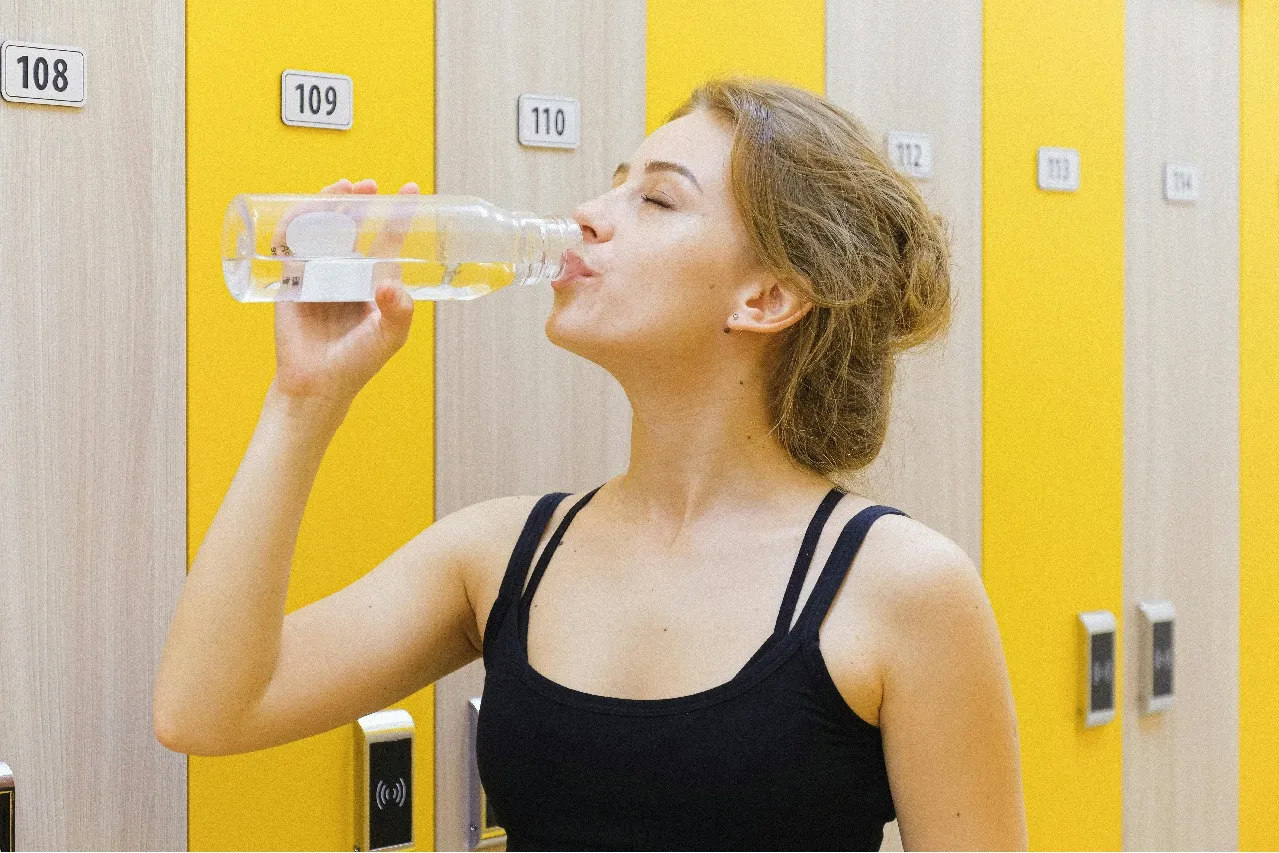
Wondering how much water you should drink each day to stay healthy? The general recommendation for adults is about 3.7 liters (15.5 cups) for men and 2.7 liters (11.5 cups) for women. These guidelines include all fluids consumed, from beverages to food. These amounts are ideal for individuals living in temperate climates with an average level of physical activity. However, your water needs may change depending on factors like increased physical activity, hot weather, pregnancy, or breastfeeding.
How Do Individual Factors Affect Water Intake?
Water requirements aren’t one-size-fits-all. Factors such as age, body size, activity level, health conditions, and climate all play a role in determining how much water a person needs. Individuals who are more physically active, sweat heavily, or live in warmer climates may require more fluids to stay hydrated. Additionally, health conditions can affect hydration needs, so some people may need to drink more or less than the general recommendations.
What Are the Risks of Drinking Too Much Water?
Most healthy kidneys can excrete around 0.8–1.0 liters per hour, but it’s important to note that drinking too much water too quickly can lead to water intoxication or hyponatremia, a dangerous condition where sodium levels in the blood drop too low. This typically occurs when more than 1.5 liters are consumed in a short period. For the majority of adults, drinking 3–4 liters spread throughout the day is safe. Rapid intake of excessive amounts should be avoided unless medically supervised.
What Are the Best Hydration Practices?
Pay attention to your body’s thirst signals.
Increase your water intake during exercise, in hot weather, or when you’re feeling unwell.
Don’t forget that foods, especially fruits and vegetables, also contribute to your overall fluid intake.
Hydration Recommendations for Specific Groups
| Group | Recommended Daily Intake (All Fluids) |
| ------------------- | -----------------------------------|
| Adult Men | 3.7 L (15.5 cups) |
| Adult Women | 2.7 L (11.5 cups) |
| Pregnant Women | 3.0 L (12.5 cups) |
| Breastfeeding Women | 3.8 L (16 cups) |
Drinking enough water is essential for good health, but it’s important to avoid excessive consumption over a short period. If you have underlying health conditions like kidney, heart, or endocrine issues, it’s always best to consult a healthcare provider for personalized hydration advice.
How Do Individual Factors Affect Water Intake?
Water requirements aren’t one-size-fits-all. Factors such as age, body size, activity level, health conditions, and climate all play a role in determining how much water a person needs. Individuals who are more physically active, sweat heavily, or live in warmer climates may require more fluids to stay hydrated. Additionally, health conditions can affect hydration needs, so some people may need to drink more or less than the general recommendations.
What Are the Risks of Drinking Too Much Water?
Most healthy kidneys can excrete around 0.8–1.0 liters per hour, but it’s important to note that drinking too much water too quickly can lead to water intoxication or hyponatremia, a dangerous condition where sodium levels in the blood drop too low. This typically occurs when more than 1.5 liters are consumed in a short period. For the majority of adults, drinking 3–4 liters spread throughout the day is safe. Rapid intake of excessive amounts should be avoided unless medically supervised.
What Are the Best Hydration Practices?
Pay attention to your body’s thirst signals.
Increase your water intake during exercise, in hot weather, or when you’re feeling unwell.
Don’t forget that foods, especially fruits and vegetables, also contribute to your overall fluid intake.
Hydration Recommendations for Specific Groups
| Group | Recommended Daily Intake (All Fluids) |
| ------------------- | -----------------------------------|
| Adult Men | 3.7 L (15.5 cups) |
| Adult Women | 2.7 L (11.5 cups) |
| Pregnant Women | 3.0 L (12.5 cups) |
| Breastfeeding Women | 3.8 L (16 cups) |
Drinking enough water is essential for good health, but it’s important to avoid excessive consumption over a short period. If you have underlying health conditions like kidney, heart, or endocrine issues, it’s always best to consult a healthcare provider for personalized hydration advice.


