Botanical Origin and Physical Characteristics
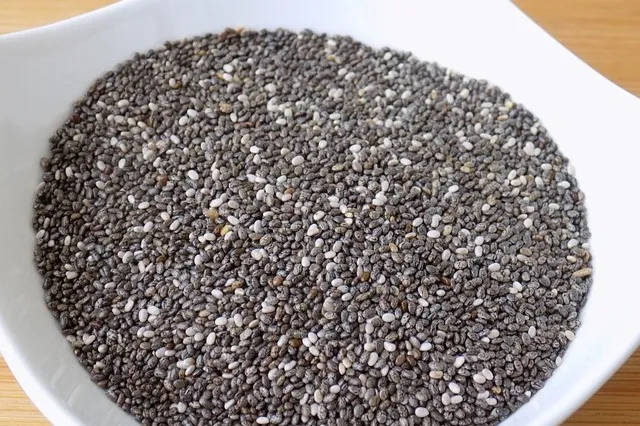
Chia seeds are derived from the Salvia hispanica plant, which is native to Central America. These seeds are oval-shaped, typically black, white, or gray in color, and have a smooth, glossy texture. On the other hand, sabja seeds come from the Ocimum basilicum plant—commonly known as sweet basil. These seeds are uniformly black, slightly smaller than chia seeds, and have a matte appearance. While both seeds swell when soaked in water, sabja seeds expand much faster, forming a gelatinous coating almost immediately.
 Nutritional Value and Health Benefits
Chia seeds are particularly rich in omega-3 fatty acids, offering approximately 2,880 mg per 15-gram serving. They are also high in dietary fiber, plant-based protein, calcium, and antioxidants. These properties make chia seeds beneficial for heart health, bone density, and digestive health. In contrast, sabja seeds are a rich source of iron, calcium, magnesium, and fiber. They are known for their cooling effect on the body and their ability to aid in digestion, manage acidity, and support weight loss efforts due to their high satiety factor.
How They’re Used in Diet and Cooking
Chia seeds are highly versatile and can be consumed raw, soaked, or ground. They are frequently added to smoothies, yogurts, breakfast bowls, puddings, and even baked goods. Soaked chia seeds take on a gel-like consistency, which also makes them a popular egg replacement in vegan cooking. Sabja seeds, in comparison, are almost always soaked before use. Once swollen, they are commonly used in drinks such as falooda, sherbets, and lemonades, particularly in India and Southeast Asia. Their cooling effect makes them ideal for hot climates and summer beverages.
Precautions and Considerations
Though generally safe, both seeds come with specific precautions. For chia seeds, their high fiber content means they should be introduced into the diet gradually to avoid bloating or digestive discomfort. It is important to stay well-hydrated when consuming them. Sabja seeds, meanwhile, should be avoided by pregnant individuals and those taking blood-thinning medications, as they may affect hormonal balance and blood clotting. People with difficulty swallowing should also exercise caution, as the seeds can swell quickly and pose a choking hazard if not fully hydrated before ingestion.