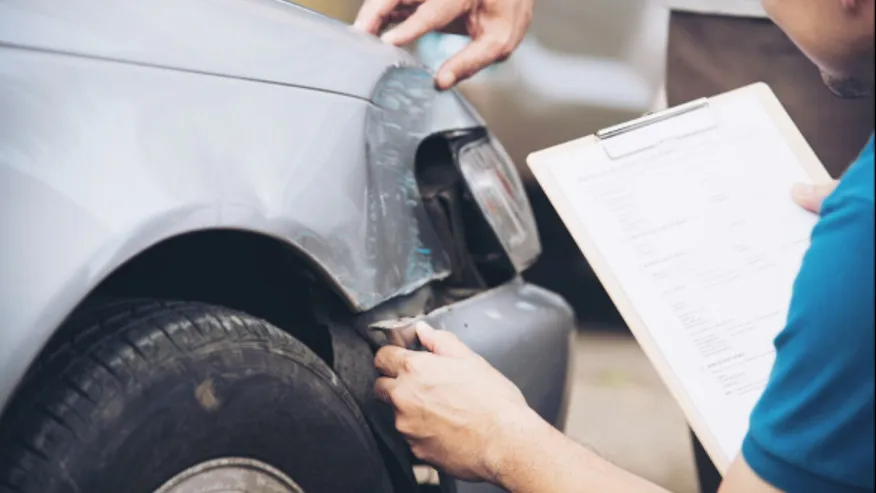
A road accident rarely ends with just a damaged bumper or broken headlight.
For many car owners, the actual financial stress begins after the vehicle reaches the garage. What initially looks like a manageable repair job often turns into a long list of unexpected expenses - from costly spare parts and towing charges to medical bills and daily commuting costs.
With modern vehicles becoming more technology-heavy and repair prices climbing across India, even a small accident today can leave a major dent in personal finances.
1) Repair Costs Rise After the First Inspection
One of the biggest shocks for drivers comes when the final garage bill turns out to be much higher than the original estimate.
Modern cars contain sensors, cameras, electronic control modules, LED lighting systems, and advanced wiring hidden beneath bumpers and panels. Even a low-speed collision can damage these components internally.
Many workshops discover additional issues only after dismantling parts of the vehicle. Problems linked to suspension, wheel alignment, steering systems, or electrical wiring often appear later during repairs.
This is where having the right car insurance can help manage unexpected repair costs more effectively.
2) Towing Charges Add Immediate Costs
If the vehicle becomes unsafe to drive after the accident, towing services become unavoidable.
Depending on the location, distance, and time of the incident, towing expenses can become surprisingly expensive. Highway breakdowns and late-night towing requests usually cost even more.
Many people do not consider this expense while calculating accident-related costs. But for several vehicle owners, the first payment after an accident is not for repairs; it is for transporting the damaged car itself.
3) Daily Travel Costs Increase
Once the car enters the workshop, another problem starts immediately: daily travel. Office commutes, school pickups, grocery trips, and family errands suddenly depend on cabs, auto-rickshaws, metro rides, or app-based taxi services. If the repair process stretches for multiple days, these transportation expenses continue piling up.
In crowded cities like Hyderabad, Bengaluru, Delhi, and Mumbai, this temporary shift can significantly increase monthly spending. For families with only one vehicle, the inconvenience becomes even more difficult to manage.
4) Spare Parts Are More Expensive
Repair costs have increased sharply over the last few years, largely because of expensive spare parts.
Imported components, branded paint materials, premium headlights, touchscreen systems, and electronic sensors have made even basic repairs costly. Some parts also take time to arrive from manufacturers, keeping vehicles inside service centres longer than expected.
This growing repair burden is one reason why many urban drivers are now opting for comprehensive car insurance instead of relying only on minimal coverage plans.
5) Medical Bills Continue After the Accident
Not every injury appears immediately after a collision. Back pain, neck strain, muscle injuries, and minor fractures often become noticeable hours later. What initially feels like a “small accident” may later require diagnostic scans, medicines, physiotherapy sessions, or repeated doctor visits.
If passengers are involved, medical spending rises even further. For middle-class households already dealing with repair costs, healthcare expenses after accidents can become financially exhausting.
6) Productivity Loss Adds Indirect Costs
One hidden expense many people ignore is the time lost after an accident. Vehicle owners often spend days coordinating with workshops, handling insurance documentation, waiting for inspections, and following up on repairs. Professionals may miss office work, while business owners can lose important client meetings or delivery schedules.
For people who depend heavily on their personal vehicles, the financial impact goes beyond repair bills alone. The accident affects productivity, routine stability, and sometimes even income itself.
7) Accident History Reduces Resale Value
The financial impact of an accident does not always end after repairs are completed. Cars with accident records usually face lower resale value later. Buyers often negotiate aggressively after noticing repainting work, replaced body panels, or repaired structural damage.
Premium vehicles are affected even more because resale buyers closely inspect original condition and repair history. This means a single accident can continue affecting the vehicle owner financially for years.
Why These Hidden Costs Matter More Now
Indian roads are becoming busier every year, while cars themselves are becoming more advanced and expensive to repair.
At the same time, inflation has pushed up labour charges, spare-part pricing, medical expenses, and workshop costs across the automobile sector. As a result, accidents today create a much bigger financial burden than most drivers expect.
The visible damage on the outside is often only one part of the story. The real expense usually comes from the smaller costs that quietly follow afterwards, such as towing bills, transport spending, repair additions, healthcare expenses, productivity loss, and reduced resale value.
Content Produced by: Indian Clicks, LLC