Stalin becomes second sitting CM after Jayalalithaa to lose election after Kolathur defeat
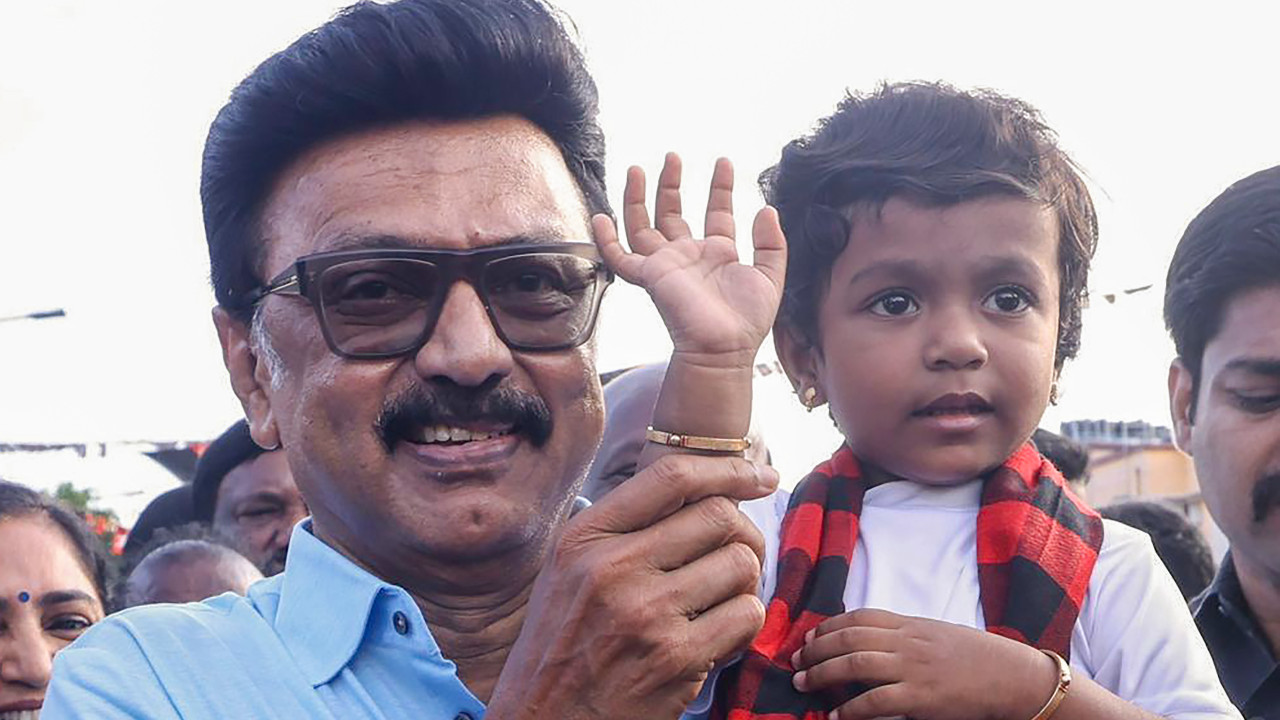
Chennai, May 4 : Tamil Nadu Chief Minister and DMK president M.K. Stalin on Monday became only the second sitting Chief Minister in the state’s history, after J. Jayalalithaa, to lose an Assembly election, following his defeat in the Kolathur constituency.
Stalin was defeated by V.S. Babu of the Tamilaga Vettri Kazhagam (TVK), a former DMK functionary who had switched political allegiance.
The upset is being viewed as one of the most significant outcomes of the 2026 Tamil Nadu Assembly elections, reflecting a shifting political landscape and the rise of the TVK as a major force.
The last such instance occurred in 1996, when Jayalalithaa was defeated in the Bargur constituency by the DMK’s E.G. Sugavanam.
Stalin’s loss thus breaks a decades-long trend in which sitting Chief Ministers in Tamil Nadu typically retained their seats.
Stalin’s electoral career spans over four decades, marked by both setbacks and notable successes.
He made his debut in 1984 from Thousand Lights but lost his first election.
He secured his first victory from the same constituency in 1989, before facing another defeat in 1991.
He later consolidated his political standing with three consecutive wins from Thousand Lights between 1996 and 2006.
Following constituency delimitation, Stalin shifted to Kolathur in 2011 and went on to win the seat in 2011, 2016 and 2021.
His defeat in 2026, despite this consistent track record, signals a major political shift in the state.
Beyond electoral politics, Stalin has held several key administrative roles.
He served as Chennai’s first directly elected Mayor in 1996 and launched the ‘Singara Chennai’ initiative aimed at modernising the city.
He later held the portfolios of Rural Development and Local Administration in 2006.
After the demise of his father M. Karunanidhi in 2018, Stalin assumed leadership of the Dravida Munnetra Kazhagam and led the party back to power in 2021, becoming Chief Minister.
Karunanidhi, notably, maintained an exceptional electoral record, winning every election he contested over several decades, making Stalin’s defeat a significant moment in the DMK’s political history.
Stalin was defeated by V.S. Babu of the Tamilaga Vettri Kazhagam (TVK), a former DMK functionary who had switched political allegiance.
The upset is being viewed as one of the most significant outcomes of the 2026 Tamil Nadu Assembly elections, reflecting a shifting political landscape and the rise of the TVK as a major force.
The last such instance occurred in 1996, when Jayalalithaa was defeated in the Bargur constituency by the DMK’s E.G. Sugavanam.
Stalin’s loss thus breaks a decades-long trend in which sitting Chief Ministers in Tamil Nadu typically retained their seats.
Stalin’s electoral career spans over four decades, marked by both setbacks and notable successes.
He made his debut in 1984 from Thousand Lights but lost his first election.
He secured his first victory from the same constituency in 1989, before facing another defeat in 1991.
He later consolidated his political standing with three consecutive wins from Thousand Lights between 1996 and 2006.
Following constituency delimitation, Stalin shifted to Kolathur in 2011 and went on to win the seat in 2011, 2016 and 2021.
His defeat in 2026, despite this consistent track record, signals a major political shift in the state.
Beyond electoral politics, Stalin has held several key administrative roles.
He served as Chennai’s first directly elected Mayor in 1996 and launched the ‘Singara Chennai’ initiative aimed at modernising the city.
He later held the portfolios of Rural Development and Local Administration in 2006.
After the demise of his father M. Karunanidhi in 2018, Stalin assumed leadership of the Dravida Munnetra Kazhagam and led the party back to power in 2021, becoming Chief Minister.
Karunanidhi, notably, maintained an exceptional electoral record, winning every election he contested over several decades, making Stalin’s defeat a significant moment in the DMK’s political history.