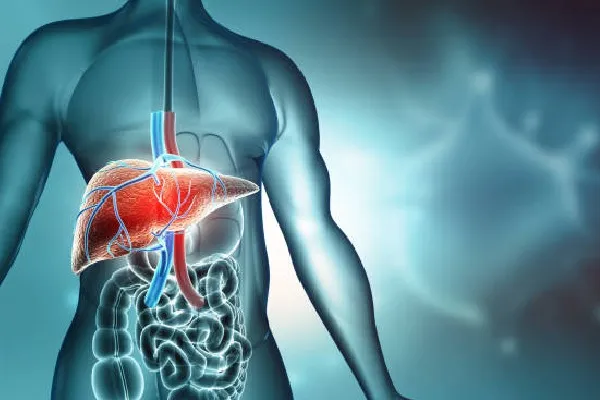
Diabetes, a chronic disease afflicting many due to modern lifestyles, stems from uncontrolled blood sugar levels. However, its impact is not limited to glucose alone; it significantly affects several vital organs of the body. Among them, the liver—often referred to as the body’s biochemical powerhouse—is particularly vulnerable to damage caused by diabetes. If not detected and managed in time, diabetes-related liver complications can escalate into liver failure.
Those living with diabetes should pay close attention to key symptoms that may indicate deteriorating liver health.
One of the primary signs is persistent fatigue. While feeling tired after physical activity is natural, experiencing continuous exhaustion despite adequate rest could signal an underlying liver issue. When the liver is impaired, it fails to efficiently eliminate toxins, which then accumulate in the bloodstream and lead to profound fatigue. This symptom is especially noticeable in individuals with diabetes.
Another clear indicator is yellowing of the skin and eyes, commonly known as jaundice. This occurs when bilirubin, a yellowish substance, builds up in the blood due to the liver’s inability to process it effectively. For those with diabetes, the appearance of jaundice requires immediate medical attention.
Pain or swelling in the lower right abdomen is also a warning sign. The liver is located on the right side of the abdomen, and discomfort or a bloated sensation in this area—particularly in the upper right section—may point to liver dysfunction.
Changes in urine and stool color can further signify liver trouble. Dark yellow or brown urine and pale or clay-colored stools often reflect altered bilirubin levels, indicating diminished liver performance.
Additionally, a sudden loss of appetite and unintended weight loss can be attributed to liver issues. Since the liver plays a critical role in digestion, any compromise in its function naturally affects hunger and metabolism.
Diabetics experiencing any of these symptoms should seek medical consultation without delay. Maintaining blood sugar within normal limits, following a nutritious diet, and engaging in regular physical activity can significantly reduce the risk of liver complications.