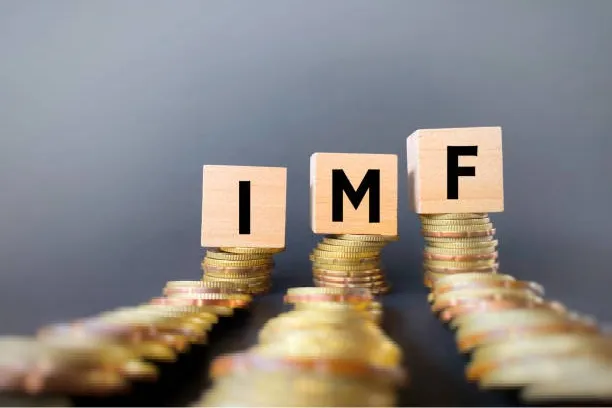
The International Monetary Fund (IMF) has imposed 11 new conditions on Pakistan as part of its bailout programme, according to a report published by The Express Tribune. The staff-level report released by the IMF on Saturday outlines these conditions, which are linked to the next tranche of financial assistance for the economically distressed country.
Among the newly imposed conditions is parliamentary approval for a new federal budget of PKR 17.6 trillion. The government is also required to increase the debt service surcharge on electricity bills and lift restrictions on the import of used vehicles older than three years. The report warns that escalating tensions with India may jeopardise the fiscal, external, and reform targets set under the programme.
The IMF report noted that while tensions between India and Pakistan have significantly increased over the past two weeks, the financial markets have largely remained stable, with the stock market retaining recent gains and spreads rising only marginally. For the upcoming fiscal year, the IMF has projected a defence budget of PKR 2.414 trillion for Pakistan, which is PKR 252 billion (12%) higher than the current allocation. However, reports indicate that in light of recent clashes with India, the government may allocate more than PKR 2.5 trillion—an 18% increase over the IMF projection.
With the addition of the latest 11 requirements, the total number of conditions imposed by the IMF on Pakistan now stands at 50, as reported by The Express Tribune. One of the new conditions is that Pakistan’s parliament must approve the budget for the 2026 fiscal year by the end of June 2025 to meet programme targets.
The staff-level report further specifies that out of the PKR 17.6 trillion federal budget, PKR 1.07 trillion is earmarked for development expenditure. A new condition has also been placed on the provinces. Four federal units (provinces) must implement comprehensive agricultural income tax legislation. This includes the establishment of an operational platform for return processing, taxpayer identification and registration, outreach campaigns, and plans to enhance enforcement, all by June this year.
Another condition mandates the publication of an administrative action plan based on the governance diagnostic assessment conducted by the IMF. The purpose of this plan is to publicly identify and address critical governance shortcomings. Additionally, the government has been instructed to develop and publish a financial sector strategy post-2027, detailing institutional and regulatory reforms from 2028 onward.
In the energy sector, four new conditions have been introduced. By July 1 this year, the government must issue annual electricity tariff rebasing notifications to ensure tariffs align with cost recovery levels. A semi-annual gas tariff adjustment notification must also be issued by February 15, 2026.
The IMF has asked the Pakistani parliament to permanently approve the Captive Power Levy Ordinance by the end of this month. The ordinance aims to encourage industries to switch to the national electricity grid. The parliament is also required to pass legislation removing the cap of PKR 3.21 per unit on the debt service surcharge, a measure seen as penalising honest consumers for inefficiencies in the electricity sector. The IMF and World Bank have previously stated that mismanagement and flawed energy policies are driving the accumulation of circular debt. The deadline for this legislative change is also the end of June.
Another condition involves phasing out all incentives provided to Special Technology Zones and other industrial parks and zones by 2035. Pakistan must prepare a plan based on this evaluation and submit it by the end of this year.
Finally, in a condition favourable to consumers, the IMF has asked Pakistan to present all necessary legislation to parliament to lift all quantitative restrictions on the import of commercially used motor vehicles. Initially, this will apply to vehicles less than five years old by the end of July. Currently, only vehicles less than three years old are permitted for import.