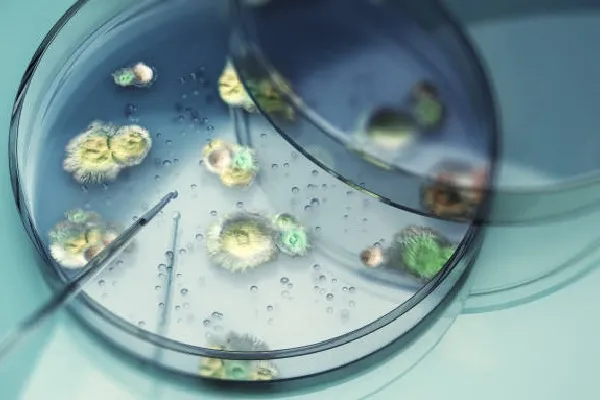
As global temperatures continue to rise, humanity is facing an increasing threat from emerging health issues. In a recent development, scientists have issued serious warnings regarding the dangers posed by fungi from the Aspergillus genus. According to recent studies, these fungi are rapidly spreading to new regions due to climate change, raising global concern over a potential surge in fungal infections.
Once confined to specific environmental conditions, fungi such as Aspergillus fumigatus and Aspergillus flavus are now expanding their range. This trend has sparked fears that these organisms could contribute to a global health crisis. The World Health Organization (WHO) has officially classified Aspergillus fumigatus as a hazardous fungus and emphasized the urgent need for greater awareness and preparedness to address the associated risks.
Aspergillus and Health Complications
Aspergillus is a common mold found in soil, decaying plant matter, and air. While most people inhale its spores without harm, individuals with weakened immune systems or respiratory conditions are at increased risk of developing a disease called aspergillosis. This illness can range from mild allergic reactions to severe and life-threatening infections.
Climate Change and Fungal Spread
Rising temperatures and higher humidity levels are providing favorable conditions for Aspergillus to thrive. According to a study by the Wellcome Trust, by the year 2100, the prevalence of Aspergillus fumigatus could increase by up to 77%, potentially threatening millions of people. In parallel, the spread of Aspergillus flavus is projected to rise by 16%, contaminating crops and posing a risk to food security.
Antifungal Resistance – The Silent Pandemic
Alongside the growing prevalence of Aspergillus infections, the failure of antifungal medications—known as antifungal resistance—is causing alarm. Aspergillus fumigatus, in particular, is showing resistance to commonly used treatments. Excessive use of antifungal agents in agriculture is believed to be one of the contributing factors to this resistance.
Impact and Prevention
Toxins called aflatoxins, produced by Aspergillus flavus, can contaminate crops such as maize and peanuts, leading to serious health issues including liver cancer. To mitigate these threats, there is a pressing need to increase monitoring, encourage scientific research, raise public awareness, and adopt safe agricultural practices. These measures are vital to protect both public health and food security from the risks posed by Aspergillus.