Through 'Operation Sindoor,' launched to dismantle Pakistan-sponsored terrorist infrastructure targeting India, several terrorist outfits backed by Pakistan have been exposed. Details have emerged regarding numerous training camps and operational bases functioning under the direct support of the Pakistan Army and its intelligence wing, the Inter-Services Intelligence (ISI), both within Pakistan’s territory and in Pakistan-occupied Jammu and Kashmir (PoJK).
Reliable sources have revealed that the Pakistan Army and ISI secretly support various anti-India terrorist groups, including Lashkar-e-Taiba (LeT), Jaish-e-Mohammed (JeM), and Hizbul Mujahideen (HM). These groups receive systematic financial, logistical, ideological, and military support from the Pakistan Army, including direct combat training.
In response to Financial Action Task Force (FATF) restrictions, the Pakistan Army attempted to rebrand terrorism in Jammu and Kashmir. Banned groups like LeT and JeM were given new identities such as The Resistance Front (TRF), People’s Anti-Fascist Front (PAFF), and Kashmir Tigers. These rebranding efforts aimed to evade global counter-terror scrutiny and depict terrorism as local resistance. Pakistani military officials frequently visit these training camps to oversee operations.
Pakistan and PoJK-based terrorist groups are secretly provided infrastructure within government facilities to conduct operations. Several camps, detachments, and launch pads are now operating near military installations and primary healthcare centers. For instance, the Jaish-e-Mohammed detachment at Sarjal–Tehra Kalan and the Hizbul Mujahideen unit at Mehmuna Joya in Sialkot operate from within government healthcare premises, offering a facade for terrorist activities.
To evade technical surveillance, these groups are equipped with long-range/ultra-set military-grade communication devices and digital mobile radios. The Pakistan Army strengthens the Pakistan-TSP signal along the Line of Control (LoC), assisting infiltrating terrorists. The Jaish-e-Mohammed detachment in Sarjal–Tehra Kalan maintains a high-frequency communication setup for coordination with infiltrators.
While detachments and launch pads are used for weapons training and religious indoctrination, logistical and financial operations are conducted from major facilities in safer locations such as Markaz Taiba (LeT) in Muridke and Markaz Subhan Allah (JeM) in Bahawalpur. These function as residential quarters for top commanders and as centers for radical indoctrination, surveillance, and weapons training.
Similarly, facilities such as Markaz Abbas Kotli (JeM) and Markaz Ahle Hadith Barnala (LeT) serve as religious indoctrination centers and operational bases for recruitment and cross-border incursions.
The Pakistan Army not only facilitates transportation, finances, and bases for these groups but also strategically simplifies their training and deployment.
Key Terrorist Facilities in Pakistan:
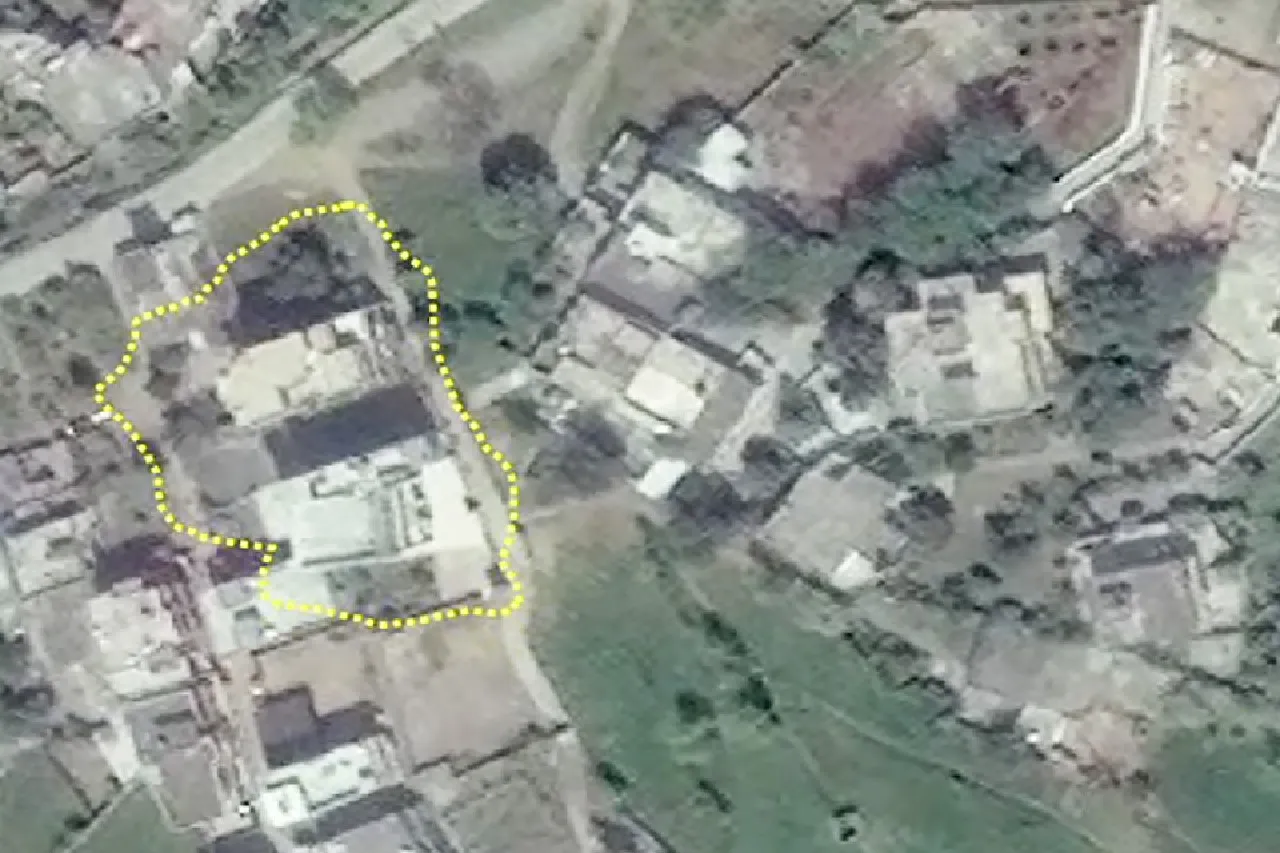
Markaz Subhan Allah, Bahawalpur: Operational since 2015, this JeM facility serves as its headquarters for training and religious instruction. It has been linked to terror plots, including the 2019 Pulwama attack. It houses JeM chief Maulana Masood Azhar, its de facto head Mufti Abdul Rauf Asghar, Maulana Ammar, and other family members. Masood Azhar is reported to have repeatedly delivered anti-India speeches from here, calling youth to join Islamic Jihad.
Markaz Taiba, Muridke: Established in 2000 in Punjab Province’s Sheikhupura district, this is LeT’s most critical training facility. It hosts weapons and physical training sessions, and indoctrinates militants from both Pakistan and abroad. Approximately 1,000 recruits undergo various courses annually. The complex reportedly received ₹1 crore from Osama bin Laden for constructing a mosque and guesthouse. It is alleged that Ajmal Kasab and other 26/11 attackers received “Daura-e-Ribbath” (surveillance training) here. Planners of the Mumbai attacks — David Coleman Headley, Tahawwur Rana, Zaki-ur-Rehman Lakhvi, and others — also reportedly visited this facility.
Sarjal–Tehra Kalan: Located in Shakargarh tehsil, Narowal district of Punjab, this JeM base functions as a major launch pad for infiltration into Jammu and Kashmir. The facility is covertly housed within a primary healthcare center in Tehra Kalan, about six kilometers from the international border near Samba sector. It also serves as a base for digging tunnels and launching drones to smuggle arms, ammunition, and narcotics into India.
Mehmuna Joya Facility, Sialkot: Another example of a government building repurposed for terrorism, this Hizbul Mujahideen base is situated within the Bhutta Kotli primary healthcare center in Head Marala area of Sialkot district. It is used to deploy cadres into Jammu region.
Markaz Ahle Hadith Barnala, Bhimber (PoJK): Situated outside Barnala town on Kote Jameel Road, this LeT base is used to push militants and arms into Poonch and Rajouri-Reasi sectors. It can house around 100–150 cadres.
Markaz Abbas, Kotli (PoJK): A key JeM facility, this center is overseen by Hafiz Abdul Shakoor Qari Jarar, a close aide of JeM Council (Shura) member and top commander Mufti Abdul Rauf Asghar. It is used for planning and executing JeM operations across Poonch-Rajouri sectors.
Maskar Raheel Shaheed, Kotli (PoJK): One of the oldest HM facilities, capable of sheltering 150–200 terrorists. It offers weapons and specialized physical training, including for BAT/sniping and mountain warfare.
Shawai Nalla Camp, Muzaffarabad (PoJK): Also known as Bait-ul-Mujahideen, this LeT camp trained the 26/11 Mumbai attackers. It is used for recruitment, registration, and training of LeT cadres. Pakistan’s ISI provides Pakistan Army instructors for weapons training.
Markaz Sayyedna Bilal (PoJK): Located opposite the Red Fort in Muzaffarabad, this is JeM’s main facility in PoJK. It serves as a transit camp for JeM militants before infiltration into Jammu and Kashmir. Special Service Group (SSG) commandos from the Pakistan Army also provide training here.
These revelations underscore the deep-rooted presence of terrorism in Pakistan and the state-sponsored support extended to it. Analysts state that targeting such terror infrastructures through operations like 'Operation Sindoor' is crucial for ensuring peace and security in the region.