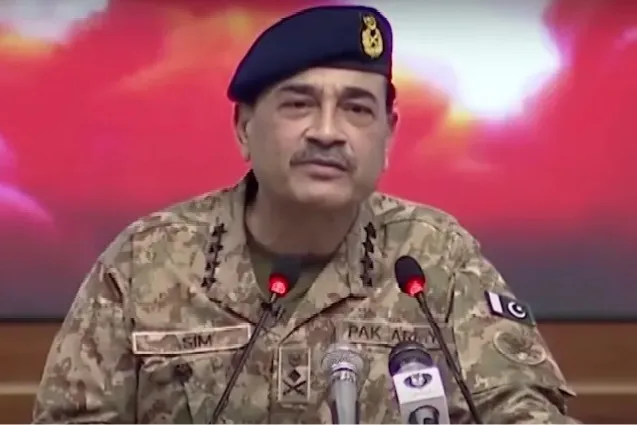
The recent deadly terrorist attack in Pahalgam, Jammu and Kashmir, has triggered unexpected developments in Pakistan, with allegations surfacing that Pakistan Army Chief General Asim Munir was involved in orchestrating the attack. In response, severe criticism and protests are emerging from within Pakistan, shedding light once again on the deep public dissatisfaction with the country’s military leadership and internal political dynamics.
Public outrage has intensified following revelations that 26 people were killed and 17 others injured in the brutal Pahalgam attack. Despite the official ban on the social media platform X (formerly Twitter) in Pakistan, thousands of users have defied the restrictions and raised their voices in protest. Hashtags such as “Resign Asim Munir,” “Pakistan under military fascism,” “Unannounced martial law,” and “Boycott military businesses” have been trending on the platform.
Adding fuel to the controversy, former Pakistani army officer Adil Raja made a sensational allegation on X, stating, “The Pahalgam attack was ordered by the Army Chief General Asim Munir through the ISI.” He further demanded Munir’s immediate removal from the position of Army Chief. Numerous social media users echoed similar sentiments. One viral post read, “Remove Munir, release Imran Khan, save Pakistan.” Another user harshly stated, “Asim Munir must be removed immediately; he is a danger to his own country.”
Supporters of former Prime Minister Imran Khan, who has been imprisoned since August last year, have been at the forefront of these criticisms. Although public dissatisfaction with the military leadership has been growing for months, the Pahalgam incident has significantly amplified the unrest. For decades, there have been allegations that Pakistan’s military promotes cross-border terrorism to disrupt peace talks with India and maintain its grip on power.
Many protestors also recalled the violent crackdown ordered by Asim Munir during demonstrations in Islamabad last year, which led to deaths and injuries among protestors. Critics argue that Munir has become a symbol of excessive military interference, authoritarian governance, and politically motivated actions.