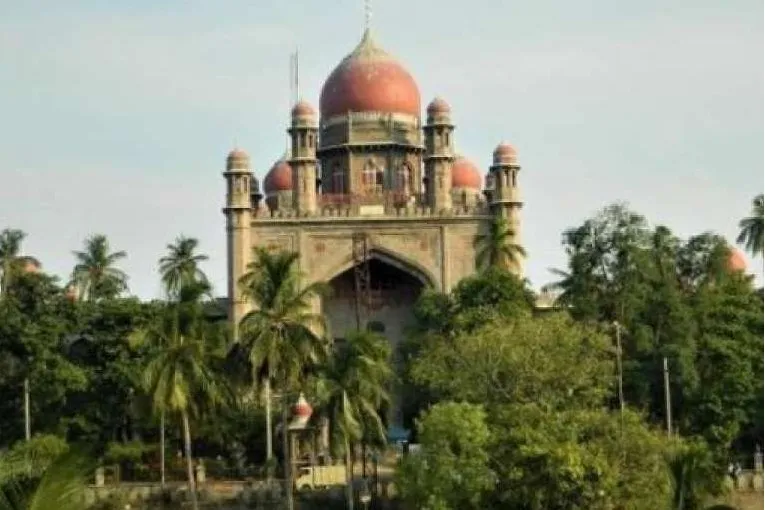
The Telangana High Court has issued significant orders to the state government regarding the inclusion of municipal agricultural laborers under the Indiramma Aathmeeya Bharosa scheme. The court directed the Chief Secretary to implement measures ensuring that agricultural laborers in urban areas also benefit from the scheme.
The scheme currently provides ₹12,000 annually to agricultural laborers in rural areas. However, a petition filed in the High Court raised concerns that agricultural laborers in municipal areas were being excluded from receiving these benefits. The petitioner, Gavinoolla Srinivas from Narayanapet, argued that while rural agricultural laborers benefit from the scheme, their counterparts in urban municipal areas are left out.
Representing the petitioner, advocate Chikkudu Prabhakar informed the court that Telangana has 129 municipalities with over 800,000 agricultural laborers residing within their limits. He contended that it is unfair to exclude urban laborers from the scheme and emphasized that all agricultural laborers, irrespective of their location, should be treated equally.
In response, the Telangana government informed the court that the scheme was designed specifically to benefit rural agricultural laborers, including those without land. The government also stated that applications for the scheme have already been received.
The High Court, acknowledging the petitioner’s arguments, instructed the state government to address the issue and take appropriate measures to extend the benefits of the scheme to agricultural laborers in municipal areas as well.
High Court Issues Key Directions on Indiramma Aathmeeya Bharosa Scheme