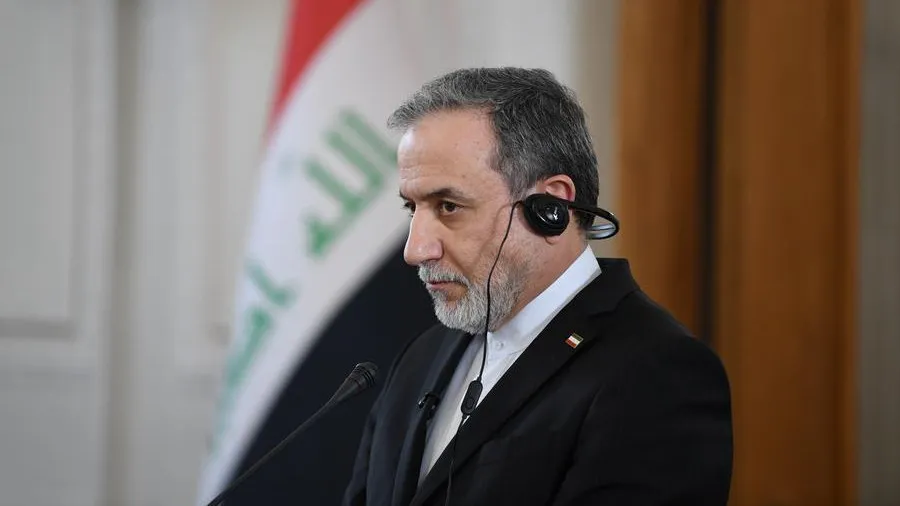
Tehran/Islamabad, April 25 : Iranian Foreign Minister Seyed Abbas Araghchi will convey Iran's considerations regarding the end of the war with the United States and Israel in his visit to Pakistan's capital, Islamabad, the semi-official Tasnim news agency reported.
Heading a diplomatic delegation, Araghchi is scheduled to visit Pakistan, Oman and Russia, the report said, adding the visits are aimed at ensuring close coordination with Iran's partners regarding bilateral issues, and holding consultations on the latest regional developments.
Araghchi will not hold any negotiations with US officials during his visit, reports Xinhua news agency, quoting Tasnim.
According to Tasnim, in the Omani capital Muscat, the Iranian foreign minister will discuss regional issues as well as the war, and in Russia, he will hold consultations on the latest developments pertaining to bilateral, regional and international developments.
Commenting on his tour in a post on social media platform X on Friday, Araghchi said, "Embarking on a timely tour of Islamabad, Muscat, and Moscow. The purpose of my visits is to closely coordinate with our partners on bilateral matters and consult on regional developments. Our neighbours are our priority."
Tasnim also reported that Iran currently has no plans to negotiate with the United States, and that Araghchi's visit to Islamabad is not for talks with the US side.
Iran's state-run IRIB TV reported that while Araghchi does not have a plan to meet with the Americans, "Islamabad, as a bridge of communication, will 'convey' Iran's considerations for ending the conflicts."
Pakistan's Ministry of Foreign Affairs confirmed that the Iranian delegation led by Araghchi arrived in Pakistan on Friday night.
On February 28, Israel and the United States launched joint attacks on Tehran and other Iranian cities, killing Iran's then Supreme Leader Ali Khamenei, senior commanders, and civilians. Iran responded with waves of missile and drone strikes targeting Israel and US bases and assets in the Middle East.
A ceasefire was achieved between the warring parties on April 8, which was followed by lengthy talks between the Iranian and US delegations in Islamabad on April 11 and 12. After the peace negotiations in Islamabad collapsed, the United States imposed a blockade on the Strait of Hormuz, preventing ships travelling to and from Iranian ports from transiting the waterway.
The Iranian and US delegations were reportedly expected to hold another round of peace talks in Pakistan this week, but Iran refrained from attending, citing the US' continued naval blockade and "excessive" demands as main reasons.
Araghchi to convey Iran's considerations regarding war's end in talks