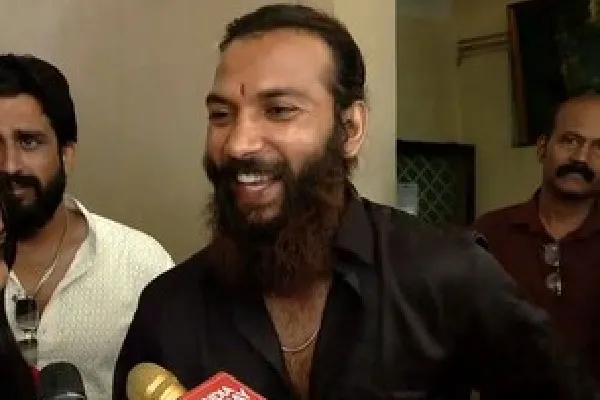
Thiruvananthapuram/Bhopal, April 10 : A marriage that was publicly celebrated as a symbol of Kerala’s social inclusivity has come under intense legal and political scrutiny after it emerged that the bride was allegedly a minor, leading to the registration of a POCSO case against her husband, Farman Khan, by the Madhya Pradesh Police.
The case was filed following an enquiry by the National Commission for Scheduled Tribes, which found that the girl popularly known as the ‘Kumbh Mela viral star’ Monalisa Bhosle was born on December 30, 2009, and was only 16 at the time of her marriage.
The Commission has also alleged that a fake birth certificate was created to facilitate the wedding and has summoned the DGPs of Kerala and Madhya Pradesh to appear in Delhi on April 22.
The development has cast a shadow over the high-profile wedding held on March 11 at a temple in Poovar, near Thiruvananthapuram, which had drawn significant attention and political endorsement.
The ceremony, conducted amid dramatic circumstances, took place hours after the couple sought police protection at the Thampanoor station, citing threats and opposition from the woman’s family.
What made the event politically significant was the presence of top CPI(M) leadership, including party State secretary M.V. Govindan, State Education Minister V. Sivankutty, CPI-M Thiruvananthapuram District Acting Secretary A.A. Rahim, also a Rajya Sabha MP who attended, had then hailed the marriage as emblematic of Kerala’s progressive ethos, describing it as “the real Kerala story” where people of different backgrounds could live in harmony.
At the time, police had acted on the couple’s assertion that the woman was an adult and had the legal right to choose her partner.
Monalisa, a native of Indore, and Farman Khan from Maharashtra, had reportedly chosen Kerala anticipating resistance elsewhere due to their interfaith relationship, which began about 18 months ago through social media.
The revelation of her minor status now raises serious questions over the circumstances leading to the marriage, the role of local authorities, and the political endorsement it received, turning what was projected as a narrative of personal liberty into a contentious legal battle.
POCSO case against Kumbh Mela viral star’s husband as she was minor; Kerala CPI(M) in dock