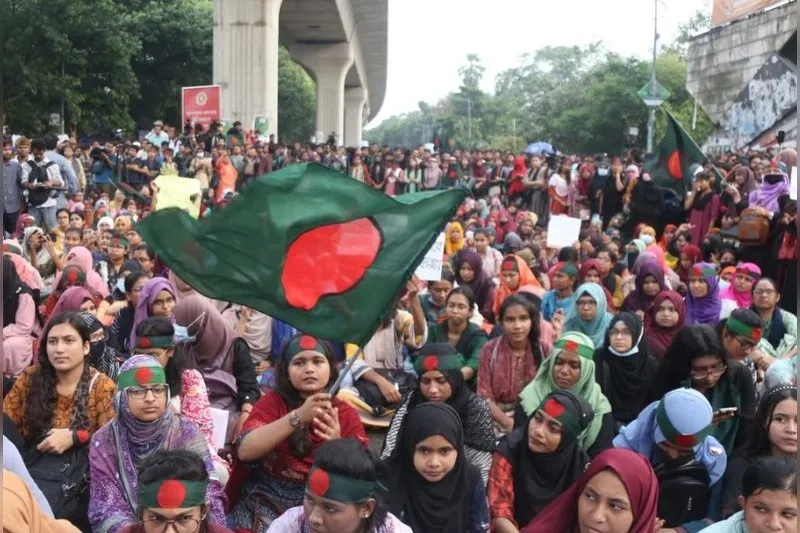
United Nations, Feb 12 : As Bangladesh goes to the polls, the world organisation has expressed concern over the reports of violence against and harassment of women candidates and voters, especially those emanating digitally, and called for a "zero-tolerance approach".
A statement from the resident coordinator's office in Dhaka on Wednesday (local time) said, "The United Nations underscores that safe, inclusive and meaningful participation in public life is a fundamental right."
"Women in public life, including political leaders, activists, journalists, and human rights defenders, are reporting increased incidents of cyberbullying, deepfakes, coordinated harassment, and image-based abuse, including AI-altered and sexualised content," it said.
The statement called for protecting "the rights of all women and girls, including women with disabilities, women from minority communities, gender diverse people, and others who may face heightened barriers, discrimination or gender-based violence."
"The United Nations calls on all stakeholders, including political leaders and their parties and supporters, to adopt a zero-tolerance approach to intimidation, harassment, and any other form of violence against women throughout the electoral process," it added.
The UN “is supporting the Bangladesh Election Commission to boost women’s electoral participation and representation”, it said.
Earlier on Monday, Spokesperson Stephane Dujarric said Secretary-General Antonio Guterres was concerned about reports of harassment of journalists by the military and police.
"For us, it's clear and important that the elections in Bangladesh take place in an atmosphere that is peaceful, in a way that is inclusive, in line with Bangladesh's own constitution and international obligations," Dujarric said.
He was asked by a correspondent at his briefing about reports that the Army detained and released 21 staff of The Bangladesh Times office, and police assaulted a dozen journalists.
"The reports that you mentioned are extremely worrying, and we call on all political actors and their supporters to reject violence and respect fundamental freedoms, including the rights to freedom of expression, peaceful assembly, and association," Dujarric said.
UN concerned over violence against women as Bangladesh goes to polls