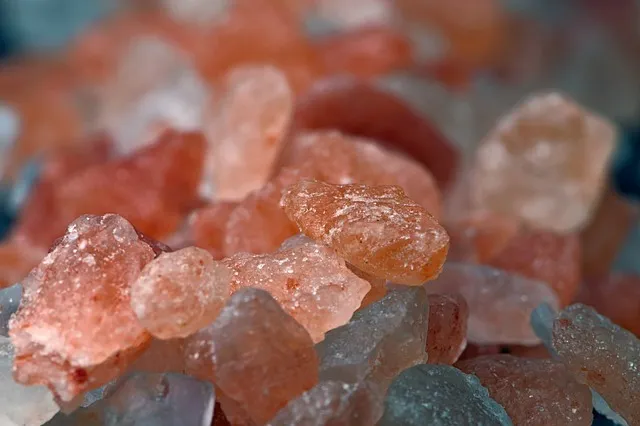
In recent years, pink Himalayan salt has gained popularity as a natural and healthier alternative to regular white table salt. Its distinctive rosy hue and claims of superior mineral content have attracted health-conscious consumers eager for a better seasoning option. But how much truth is there behind these health claims? Let’s explore the nutritional profile, potential benefits, and risks of pink salt compared to white salt to find out if it truly lives up to the hype.
Nutritional Profile and Health Claims
Pink Himalayan salt is often promoted for containing a variety of trace minerals such as potassium, magnesium, calcium, and iron, which give it its characteristic pink color. These minerals, present in small amounts, differentiate it from the more heavily processed white table salt. However, despite containing more minerals, the actual quantities in pink salt are incredibly small. To obtain a meaningful amount of these nutrients, one would have to consume an impractical and unsafe amount of salt. For example, meeting your daily potassium needs solely through pink salt would require eating over 1.7 kilograms of it—far beyond any reasonable dietary intake.
Potential Health Benefits
Supporters of pink salt highlight several possible health benefits linked to its mineral content. These include improved hydration and electrolyte balance, assistance with digestion and pH regulation, and support for muscle and bone health. Additionally, pink salt is minimally processed and typically free from additives such as anti-caking agents, making it appear as a more natural choice. However, most of these benefits remain theoretical or are based on the mere presence of trace minerals, with little scientific evidence to confirm significant advantages over regular salt when consumed in typical amounts.
Risks and Considerations
One important factor to consider is that pink Himalayan salt is generally not iodized, unlike many commercial white salts. Iodine is an essential nutrient required for proper thyroid function, and iodine deficiency can lead to serious health issues. Since regular table salt is commonly fortified with iodine, relying solely on pink salt without consuming other iodine-rich foods could increase the risk of deficiency. Moreover, both pink and white salts are primarily sodium chloride, and excessive intake from either source can contribute to high blood pressure and cardiovascular problems. Lastly, pink salt tends to be more expensive, and the minor nutritional differences may not justify the higher price for most consumers.
While pink Himalayan salt is often marketed as a healthier option, the scientific evidence suggests that it is not significantly better for health than regular white salt. The trace minerals present in pink salt exist in quantities too small to make a meaningful nutritional impact at typical consumption levels. The key practical difference lies in the fact that pink salt is less processed and usually free of additives, but it also lacks added iodine, which is important for thyroid health.
Ultimately, the choice between pink and white salt comes down to personal preference, dietary needs—particularly iodine intake—and cost considerations. Regardless of the type, it is important to consume salt in moderation to avoid health risks related to excessive sodium, such as hypertension and heart disease.
Is Pink Salt Really Healthier Than White Salt?