The Central Government has once again assured the Supreme Court that there will be no changes in matters relating to Wakf properties or in the appointment of Wakf Board members. The government clarified that it would not take steps such as denotifying Wakf properties or appointing non-Muslims as members of Wakf Boards.
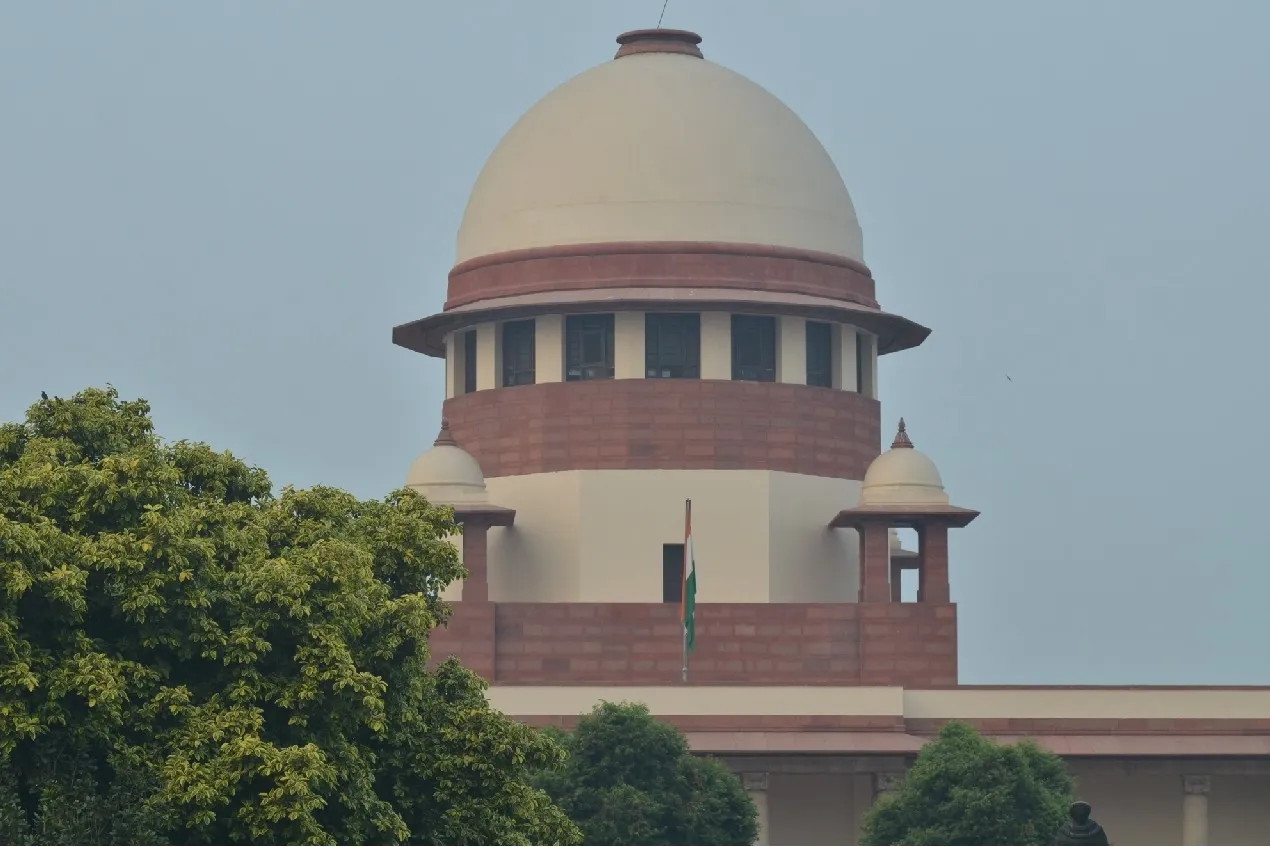
This assurance was reiterated on Thursday by Solicitor General Tushar Mehta, the second-highest legal officer of the Union Government, before a bench led by Chief Justice of India Justice B. R. Gavai. He confirmed that the previous assurance given by the Centre would remain in effect until the next date of hearing.
The bench, comprising Chief Justice B. R. Gavai and Justice A. G. Masih, was hearing a batch of petitions challenging the constitutional validity of the Wakf (Amendment) Act, 2025. Petitioners requested interim orders concerning the implementation of the law, but the bench stated that a detailed hearing would be required. The matter has been adjourned to next Tuesday. The bench also clarified that the petitions challenging the validity of the Wakf Act, 1995, would be heard separately.
In its preliminary affidavit, the Central Government stated that the amendments were introduced to prevent misuse of the Wakf Act. It explained that certain government and private properties had been wrongly classified as Wakf properties and that the intention behind the amendments was to ensure transparency in the functioning of Wakf Boards across the country.
The Ministry of Minority Affairs further explained that the amendments aim to modernize the administration of Wakf properties. It asserted that these changes are purely administrative in nature and do not pertain to Islamic religious beliefs or practices.
According to Islamic law and traditions, "Wakf" refers to a donation or endowment made by Muslims for religious or charitable purposes, such as mosques, schools, and hospitals.