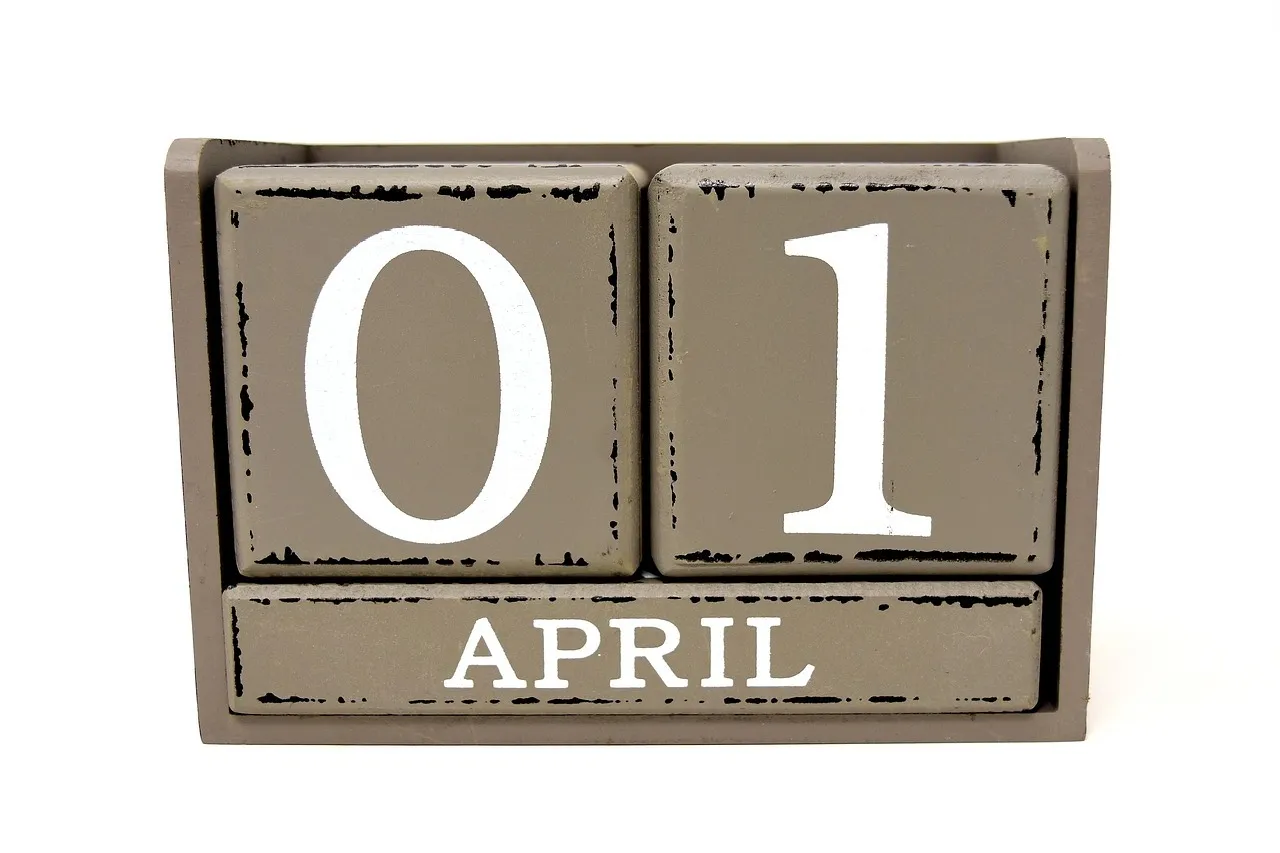
April Fools' Day, celebrated on April 1st, has long been a day for playful pranks and practical jokes. Its origins, however, remain shrouded in mystery, with several theories attempting to explain how this day of humor came to be. Some historians trace its roots to ancient Roman festivals like Hilaria (March 25), which marked a time for joy and laughter. Others suggest that the day became associated with the adoption of the Gregorian calendar in 1582, when those who continued celebrating New Year's on April 1, following the Julian calendar, were labeled as "April fools."
One of the earliest literary references to April Fools' Day dates back to 1561 in a Flemish poem by Eduard De Dene. In this work, a nobleman sends his servant on a series of "foolish errands" on April 1, marking the first known mention of the day in print.
Across the globe, different countries have developed their own unique traditions. In France, for example, the day is known as Poisson d'Avril ("April Fish"), where children tape paper fish to each other’s backs as a prank. Meanwhile, in Scotland, the celebration lasts for two days, with the second day, called "Taily Day," focusing on pranks involving the posterior.
April Fools' Day has been the backdrop for some memorable hoaxes throughout history. In 1957, the BBC famously aired a prank about spaghetti growing on trees, which fooled many viewers. Another famous hoax occurred in 1996 when Taco Bell claimed to have purchased the Liberty Bell and renamed it the "Taco Liberty Bell." Similarly, in 2008, the BBC released footage of "flying penguins," an elaborate prank that captured widespread attention.
Historians also suggest that the timing of April Fools' Day around spring is significant, as it coincides with various seasonal festivals, including Holi, Purim, and Hilaria, all of which involve humor and celebration. The connection to springtime changes might explain why such a playful day would be celebrated at this time of year.
In 1983, historian Joseph Boskin took the joke a step further by fabricating a story about Emperor Constantine allowing a jester named Kugel to rule for a day, supposedly starting the tradition of April Fools' Day. The story was later revealed to be an April Fools' prank itself.
April Fools' Day continues to be celebrated globally, with its traditions rooted in a mix of mystery, history, and lighthearted fun. As a day for humor and creativity, it remains a favorite occasion for both casual and elaborate pranks.
The Untold Stories Behind April Fools' Day