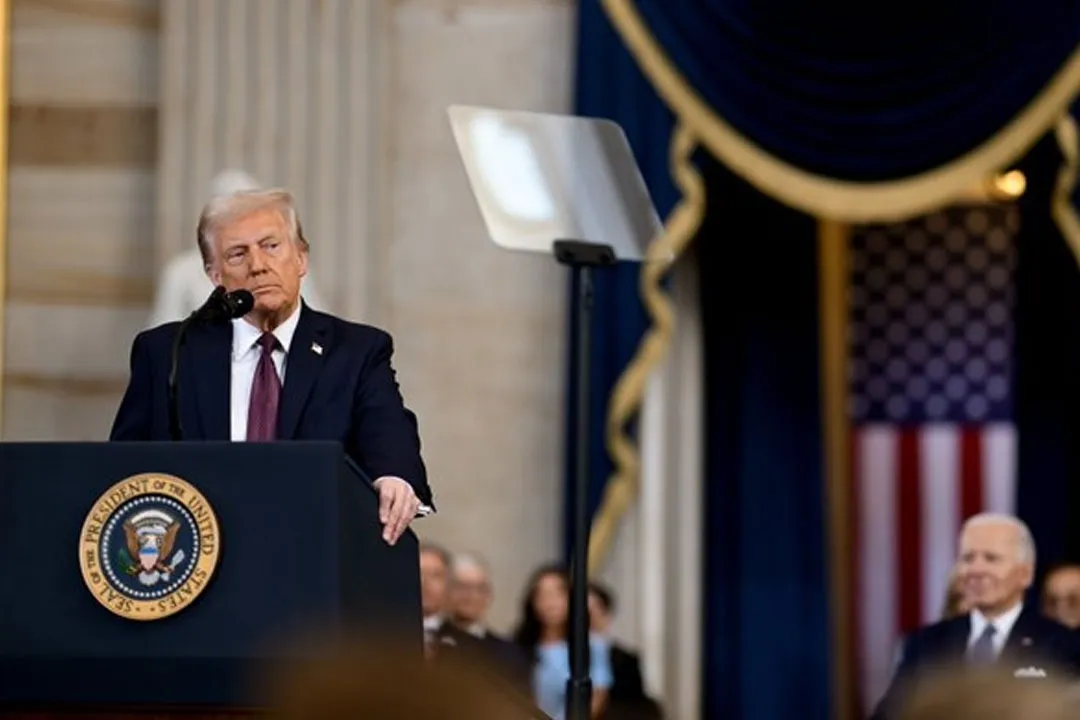
Donald Trump, recently inaugurated as the 47th President of the United States, has made headlines with a series of controversial executive orders. Among his most significant moves, Trump has announced his intention to sign an order eliminating federal recognition of gender diversity, restricting it to just male and female categories. The President revealed this plan during a public statement, declaring that the U.S. federal government would officially recognize only male and female genders going forward.
The issue of transgender rights has become a contentious topic in American politics, especially in recent years. During the 2024 election campaign, many Republican candidates called for repealing gender transition laws. In a rally held the day before his inauguration, Trump reiterated his commitment to protecting women’s sports by ensuring biological males are excluded from competing in women’s categories. He framed this initiative as a way to shield women from what he referred to as "gender terrorism."
A senior administration official stated that Trump’s government would soon take action against programs promoting diversity, equity, and inclusion (DEI). They also indicated that no federal funds would be allocated to initiatives encouraging gender ideology.
Trump has long been vocal about his stance on gender equality. During his first presidency, he made his position clear by banning transgender individuals from serving in the military, effectively halting their recruitment. This decision was later reversed by President Joe Biden, but Trump is now reviving his agenda to restrict federal recognition of gender diversity. Under the proposed directive, government identification documents like passports will classify individuals strictly based on biological reality, offering only male and female options.
This bold move is expected to spark widespread backlash from civil and human rights organizations, who argue it undermines long-standing efforts to promote gender equality and inclusion. Activists fear this decision will roll back years of progress in advancing transgender rights.
Meanwhile, several major corporations like Apple and Costco continue to implement DEI policies and hire transgender individuals, standing in contrast to Trump’s federal stance.
Trump to End Federal Recognition of Gender Diversity in the U.S.