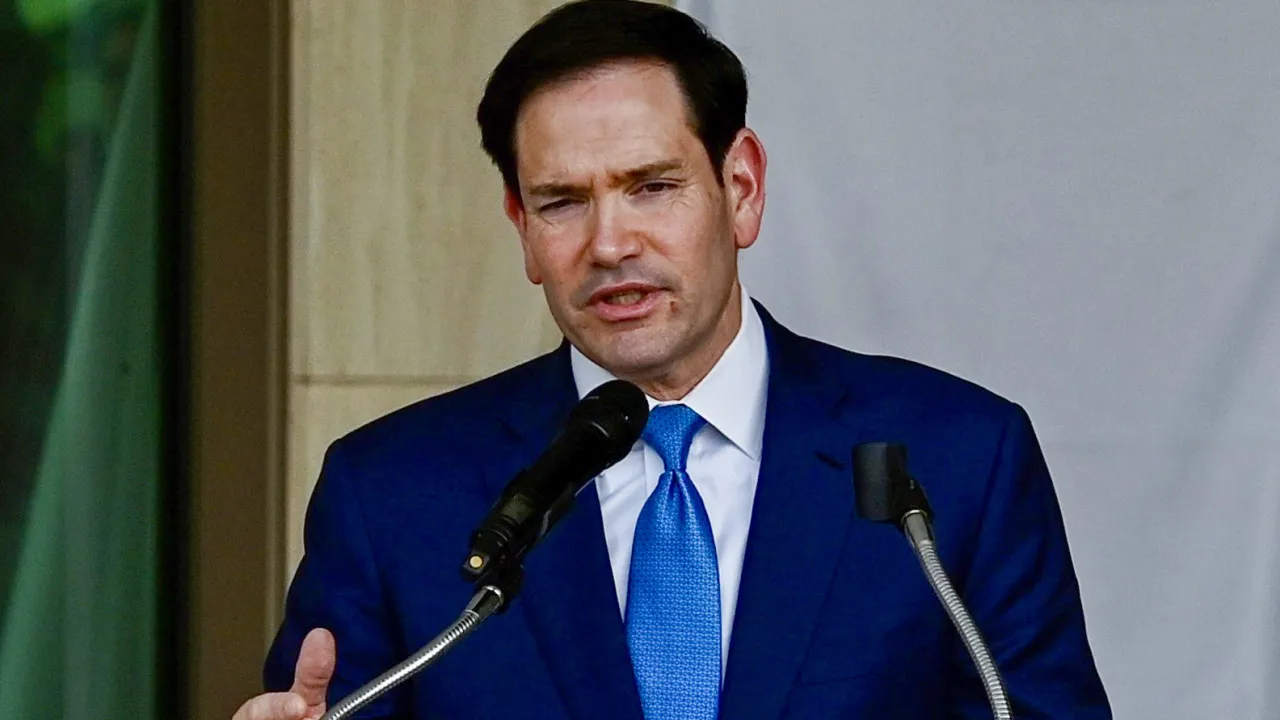
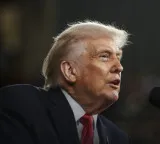
United Nations, Sep 24 : US Secretary of State Marco Rubio said President Donald Trump remained open to an agreement with Iran, but warned that Tehran could face mounting economic costs and possible military action if it continued to pursue a nuclear weapon.
Speaking to reporters during the United Nations General Assembly, Rubio said US officials had spoken with mediators involved in the Iran process a day earlier. He declined to describe the terms discussed or identify the mediators.
“The president’s open, still to this moment, to making a deal with Iran,” Rubio said. But he added that Tehran’s nuclear ambitions and its support for armed groups in the region remained central obstacles.
Rubio said any agreement would take sustained work. “If there’s going to be a deal with Iran, it’s not going to happen at a press conference,” he said.
The Strait of Hormuz was also part of the discussion. Rubio said its southern shipping lane was open and that more oil was passing through each day. He credited the US military with defending vessels and removing mines. Those were US claims that could not be independently verified from the material provided.
Rubio accused Iran of continuing to fire on ships, citing what he described as another launch on Wednesday morning. He said the United States would continue to defend shipping and keep the strait open. Iran’s response to those allegations was not included in the transcript.
Asked whether talks had returned to an earlier memorandum of understanding, Rubio said Iran had violated it. He would not say whether it had formed the basis for the latest discussions. “I’m not going to characterise yesterday’s talks,” he said.
Rubio also rejected the suggestion that Tehran might wait until after the US midterm elections to seek a deal. He said Iranian officials were misreading the American political system if they believed a change in Congress would prevent Trump from acting.
The president, Rubio said, had broad national security powers, including over sanctions and the use of military force. He said Trump viewed the Iran question as a long-term security issue rather than an electoral one.
Rubio said Gulf partners shared several US concerns. He cited the need to keep the strait open, attacks linked to the Houthis in Yemen and opposition to an Iranian nuclear weapon. He also said several countries supported the economic pressure Washington was applying to Tehran.
Asked about legislation giving Trump tariff authority related to Russia and Iran, Rubio said the law offered another tool. Its national security waivers, he said, would allow the president to decide how to apply it in individual cases. He did not announce any new tariffs.
Rubio said damage to Iran’s nuclear facilities alone would not settle the issue. Washington wanted what he called “a long-term and enforceable commitment to never pursue a nuclear weapon, ever.”
The Strait of Hormuz connects the Persian Gulf to the Gulf of Oman and is a major route for oil shipments. Disruption there can affect energy markets well beyond the Middle East.
Rubio says Trump remains open to Iran deal