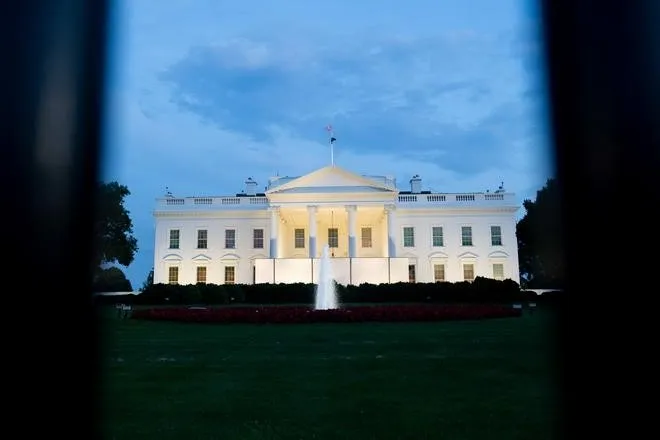
Washington, April 9 : The White House used Pakistan as a primary channel to reach Iran on a temporary ceasefire, underscoring Islamabad’s pivotal yet contested role in sensitive back-channel diplomacy, the Financial Times, London, reported.
For weeks, the Trump administration leaned on Islamabad to persuade Tehran to accept a pause in fighting tied to reopening the Strait of Hormuz. Pakistan’s positioning as a Muslim-majority neighbour was seen as key to making the US-backed proposal more acceptable to Iran.
The effort was led by Pakistan’s army chief Field Marshal Asim Munir, who coordinated closely with senior US officials. As the deadline approached, Munir held calls with President Donald Trump, Vice-President JD Vance and special envoy Steve Witkoff, while Pakistani officials shuttled proposals between Washington and Tehran.
Islamabad transmitted a US-drafted 15-point plan and conveyed Iran’s responses, including five- and 10-point counter-proposals. Diplomats said Iran gradually became more open to limiting aspects of its nuclear programme, but only after sustained back-channel engagement.
The diplomacy culminated in a two-week ceasefire announced by the US, Iran and Israel, even as Trump publicly escalated rhetoric, warning he could destroy Iran’s “whole civilisation” if his terms were not met.
In a different report, The New York Times said that Pakistan’s public messaging was closely aligned with Washington’s position.
Pakistan Prime Minister Shehbaz Sharif’s social media appeal seeking an extension of Trump’s deadline was seen and cleared by the White House before it was posted, suggesting deeper coordination than publicly acknowledged, the daily said.
The report said the post, which framed diplomacy as “progressing steadily, strongly and powerfully”, came as Trump’s deadline approached and Islamabad sought to create an off-ramp for both sides. The White House’s prior approval of the message pointed to active diplomatic engagement behind the scenes, even as public rhetoric remained confrontational, the New York Times said.
White House forced Pakistan to reach Iran: Report
Advertisement