US House moves to tighten energy sanctions on Iran amid rising tensions
Washington, March 17 : The US House of Representatives passed sweeping legislation to tighten sanctions on Iran’s energy sector, as lawmakers from both parties pushed for stronger measures amid ongoing tensions with Tehran.
The bill, titled the Enhanced Iran Sanctions Act, cleared the House by voice vote, signalling broad bipartisan support for expanding pressure on Iran’s oil trade and its global network of facilitators.
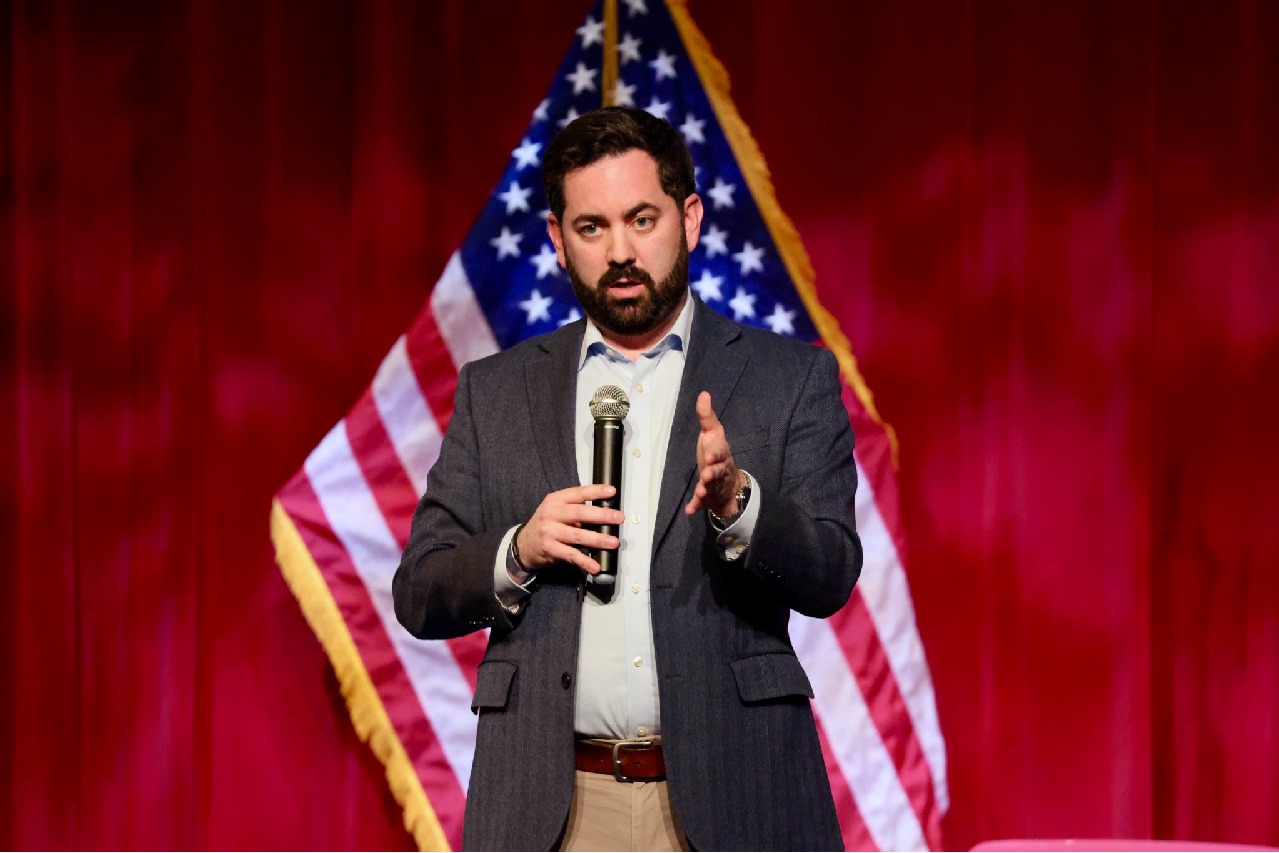
“This critical legislation aims to strengthen the US sanctions regime on foreign entities enabling Iran’s illicit oil trade,” Congressman Mike Lawler said in a statement after the vote.
The bill was co-sponsored by 295 members — 171 Republicans and 124 Democrats.
The measure would give the president authority to impose sanctions on foreign entities involved in “any significant transaction related or incidental to the processing, refining, export, transfer or sale of oil, condensates, or other petroleum or petrochemical product in whole or in part from Iran.”
Lawler framed the bill as part of a wider effort to curb Iran’s regional activities and financial networks. “The United States will not allow the Iranian regime to evade sanctions and bankroll terrorism through illicit oil sales,” he said.
“For too long, Iran has relied on a network of foreign banks, insurers, and logistics providers to move sanctioned oil. This legislation targets that entire network and ensures those financing the largest state sponsor of terrorism face real consequences.”
Speaking on the House floor, Lawler said the bill would allow the administration to apply “maximum pressure” on Iran. He added that it would enable sanctions on “enablers of Iran's illicit oil trade, that has financed their proxies, that has financed their missiles program, that has financed their nuclear ambitions and their uranium enrichment.”
The legislation specifically targets a wide range of actors involved in the oil supply chain. “This includes essentially any company that has engaged in a transaction involving the processing, refining, export, or transfer of Iranian oil. This includes foreign banks, financial institutions, insurance companies, flagging registries, and more,” Lawler said.
Sanctions under the bill could include blocking property transactions in the United States and denying visas to individuals linked to such activities.
However, the final version includes a key modification. It allows the president discretion to impose sanctions, changing earlier language that would have made such measures mandatory. Congressman George Latimer described the change as “unfortunate” and said it was made at the administration’s request.
The bill now moves to the Senate, where companion legislation has been introduced but not yet taken up by the Foreign Relations Committee.
According to the bill text, the measure seeks “to impose sanctions with respect to persons engaged in logistical transactions and sanctions evasion relating to oil, gas, liquefied natural gas, and related petrochemical products from the Islamic Republic of Iran” .
It also outlines provisions for blocking property, restricting visas, and establishing an interagency working group to coordinate enforcement.

The bill, titled the Enhanced Iran Sanctions Act, cleared the House by voice vote, signalling broad bipartisan support for expanding pressure on Iran’s oil trade and its global network of facilitators.
“This critical legislation aims to strengthen the US sanctions regime on foreign entities enabling Iran’s illicit oil trade,” Congressman Mike Lawler said in a statement after the vote.
The bill was co-sponsored by 295 members — 171 Republicans and 124 Democrats.
The measure would give the president authority to impose sanctions on foreign entities involved in “any significant transaction related or incidental to the processing, refining, export, transfer or sale of oil, condensates, or other petroleum or petrochemical product in whole or in part from Iran.”
Lawler framed the bill as part of a wider effort to curb Iran’s regional activities and financial networks. “The United States will not allow the Iranian regime to evade sanctions and bankroll terrorism through illicit oil sales,” he said.
“For too long, Iran has relied on a network of foreign banks, insurers, and logistics providers to move sanctioned oil. This legislation targets that entire network and ensures those financing the largest state sponsor of terrorism face real consequences.”
Speaking on the House floor, Lawler said the bill would allow the administration to apply “maximum pressure” on Iran. He added that it would enable sanctions on “enablers of Iran's illicit oil trade, that has financed their proxies, that has financed their missiles program, that has financed their nuclear ambitions and their uranium enrichment.”
The legislation specifically targets a wide range of actors involved in the oil supply chain. “This includes essentially any company that has engaged in a transaction involving the processing, refining, export, or transfer of Iranian oil. This includes foreign banks, financial institutions, insurance companies, flagging registries, and more,” Lawler said.
Sanctions under the bill could include blocking property transactions in the United States and denying visas to individuals linked to such activities.
However, the final version includes a key modification. It allows the president discretion to impose sanctions, changing earlier language that would have made such measures mandatory. Congressman George Latimer described the change as “unfortunate” and said it was made at the administration’s request.
The bill now moves to the Senate, where companion legislation has been introduced but not yet taken up by the Foreign Relations Committee.
According to the bill text, the measure seeks “to impose sanctions with respect to persons engaged in logistical transactions and sanctions evasion relating to oil, gas, liquefied natural gas, and related petrochemical products from the Islamic Republic of Iran” .
It also outlines provisions for blocking property, restricting visas, and establishing an interagency working group to coordinate enforcement.