No crisis on oil front as India has ample reserves, diversified imports: Govt
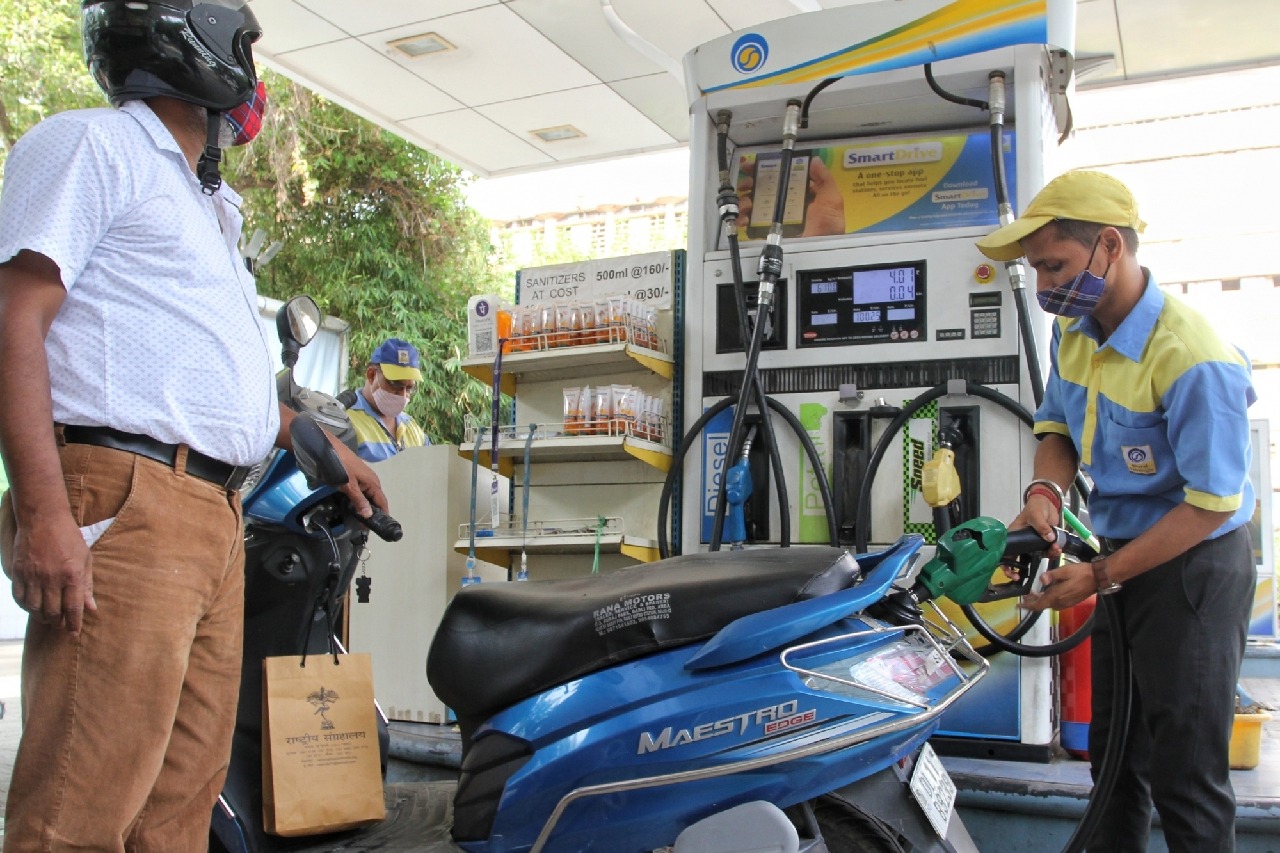
New Delhi, March 12 : India's strategic oil reserves and diversification of energy imports across 40 supplier countries have transformed its capacity to absorb global energy shocks, and this resilience has ensured that there is no energy crisis due to the disruption caused by the Iran war as the government is tackling the situation with supply-side management, a senior official said on Thursday.
The country has robust macroeconomic fundamentals with ample forex reserves to cover 11–12 months of imports. These are also enough to cover the country’s oil import bills for 5 years. The strategic stocks of crude and petroleum products are sufficient to cover more than 70 days of market demand, while imports have been diversified to reduce the country’s dependence on the Middle East, the official pointed out.
India's 74-day reserve buffer, diversified sourcing across 40 countries, and proactive regulatory response place it significantly ahead of regional peers in managing the 2026 energy shock.
The government’s multi-alignment doctrine to tackle the situation reflects pragmatic economic diplomacy - buying Russian crude, invoking the Essential Commodities Act, and diversifying supply without compromising sovereignty, the official said.
The crisis also weighs more on growth than inflation, preserving policy flexibility for the government and the Reserve Bank of India (RBI) to maintain macroeconomic stability.
India's Inflation rate of around 2.75 per cent is among the lowest in major economies. Cushioned by Russian crude imports, fuel tax flexibility, and regulated LPG pricing, the prices of petroleum products for consumers have been kept well under control.
In the case of Japan, for instance, the inflation rate is 5 per cent, and the far-eastern country is dependent to the extent of 75 to 90 per cent on crude exported through the Straits of Hormuz. India, on the other hand, has diversified its energy imports to other countries to drastically reduce its dependence on supplies coming through the Straits of Hormuz, which were initially at around 50 per cent and were later reduced to 20 per cent.
India continues buying discounted Russian crude, which constitutes roughly one-third of all imports, despite Western pressure. Other countries from which oil is being imported include Iraq, Saudi Arabia, the UAE, and the US, reflecting diversification, not political alignment, the official said.
While India has an over two-month reserve buffer, neighbouring countries such as Pakistan, Bangladesh and Sri Lanka have a cushion of only 30 days or less. Consequently, Pakistan has seen an increase in petrol and diesel prices by a massive Rs 55 per litre, while Sri Lanka has also raised fuel prices amid panic buying, and Bangladesh has been forced to introduce energy rationing.

The country has robust macroeconomic fundamentals with ample forex reserves to cover 11–12 months of imports. These are also enough to cover the country’s oil import bills for 5 years. The strategic stocks of crude and petroleum products are sufficient to cover more than 70 days of market demand, while imports have been diversified to reduce the country’s dependence on the Middle East, the official pointed out.
India's 74-day reserve buffer, diversified sourcing across 40 countries, and proactive regulatory response place it significantly ahead of regional peers in managing the 2026 energy shock.
The government’s multi-alignment doctrine to tackle the situation reflects pragmatic economic diplomacy - buying Russian crude, invoking the Essential Commodities Act, and diversifying supply without compromising sovereignty, the official said.
The crisis also weighs more on growth than inflation, preserving policy flexibility for the government and the Reserve Bank of India (RBI) to maintain macroeconomic stability.
India's Inflation rate of around 2.75 per cent is among the lowest in major economies. Cushioned by Russian crude imports, fuel tax flexibility, and regulated LPG pricing, the prices of petroleum products for consumers have been kept well under control.
In the case of Japan, for instance, the inflation rate is 5 per cent, and the far-eastern country is dependent to the extent of 75 to 90 per cent on crude exported through the Straits of Hormuz. India, on the other hand, has diversified its energy imports to other countries to drastically reduce its dependence on supplies coming through the Straits of Hormuz, which were initially at around 50 per cent and were later reduced to 20 per cent.
India continues buying discounted Russian crude, which constitutes roughly one-third of all imports, despite Western pressure. Other countries from which oil is being imported include Iraq, Saudi Arabia, the UAE, and the US, reflecting diversification, not political alignment, the official said.
While India has an over two-month reserve buffer, neighbouring countries such as Pakistan, Bangladesh and Sri Lanka have a cushion of only 30 days or less. Consequently, Pakistan has seen an increase in petrol and diesel prices by a massive Rs 55 per litre, while Sri Lanka has also raised fuel prices amid panic buying, and Bangladesh has been forced to introduce energy rationing.