Naxalism nears its end, Centre charts road ahead to prevent resurgence
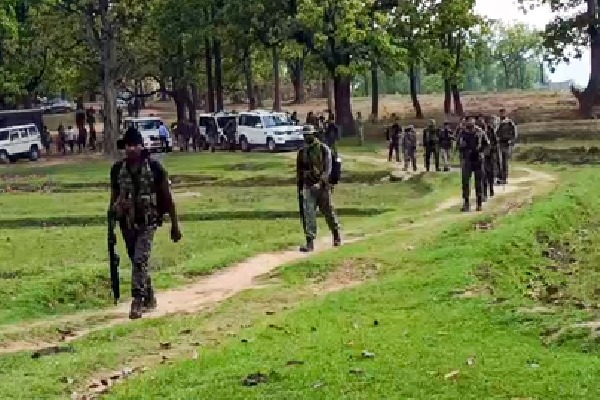
New Delhi, Feb 26 : As the Naxalite movement that daunted India for decades comes to an end, the Union Ministry of Home Affairs (MHA) has already begun chalking out the roadmap to ensure that the menace does not resurface.
Officials say that the ideology is officially dead today, but they are on guard to ensure that a new form of criminality does not emerge in certain zones where the Naxalite menace was at its highest.
The MHA recognises that once the problem ends, the wise thing to do is to ensure there is no relapse. The designation of 31 “Legacy Thrust Districts” from Gadchiroli, Balaghat and Badradri Kothagundem is a step taken to ensure there is no resurgence of the movement. These areas will continue to receive security and development support.
The intention is not just to walk away and leave it to the state. There are certain areas where Naxalism once thrived, and these need to get Central support as the state alone cannot handle it immediately, the official added.
Another official said the battle against the Naxal movement has been on for a long time. However, under the Modi government, there has been a new momentum. Union Home Minister Amit Shah, who led from the front, not just gave the security forces a free hand, but also ensured that Centre-state coordination took place seamlessly, the official also explained.
Home Minister Shah also said that the Naxalites should either surrender or be prepared to be eliminated. The deadline set by him for the Naxalite movement to end is March 31, 2026. In 2000, the number of Left-Wing Extremism (LWE) districts was 200. By 2025, the number shrunk to 38. As per data available with the MHA, the number today stands at seven -- five in Chhattisgarh and one each in Jharkhand and Odisha. Of these, only three are marked as “Most Affected”.
These are the areas in which the “Legacy Thrust Districts” have been designated.
Following the March 31 deadline, the MHA seeks to ensure that the states push development and governance in a big way in the LEW-affected districts. Any slip-up could give room for a resurgence, and the government wants to avoid it at any cost.
The Centre wants to ensure that development in these belts does not slow down.
The successful battle against the Naxalites cannot be attributed just to encounters. In this battle, over 15,000 kilometres of roads have been built and over 9,000 mobile towers installed. This has not just helped the security forces go deep and communicate better, but has been of great benefit to the locals, too. The locals who were once informers for the Naxalites are today completely on the side of the government, an official said.
An Intelligence Bureau official said the Naxalites have literally given up. Only a handful want to fight on, but they, too, know that their game is up. The key would be either ensure their surrender or elimination.
The Naxalite movement was dealt a severe blow when a secretary of the Maoist Central Committee, Tippiri Tirupati alias Devi, surrendered before the Telangana Police. The police said that only 11 from Telangana remain underground, and many are already in talks to surrender.
Further, the Central government is already coordinating with the states regarding the next plan of action. For now, it has been decided that there would not be an immediate withdrawal of forces, and it would instead be done in a phased manner.
During this phase, bureaucratic responses would be key, and the states have been advised to ensure there are no slip-ups on that front. The Intelligence agencies say that security officials should also keep a watch on social media and gatherings in urban areas. Propaganda can be spread in these spaces in a bid to revive the movement.
Although a revival looks impossible, the agencies would continue to monitor these spaces and put down such attempts as they could become major irritants, officials say.
Officials say that the ideology is officially dead today, but they are on guard to ensure that a new form of criminality does not emerge in certain zones where the Naxalite menace was at its highest.
The MHA recognises that once the problem ends, the wise thing to do is to ensure there is no relapse. The designation of 31 “Legacy Thrust Districts” from Gadchiroli, Balaghat and Badradri Kothagundem is a step taken to ensure there is no resurgence of the movement. These areas will continue to receive security and development support.
The intention is not just to walk away and leave it to the state. There are certain areas where Naxalism once thrived, and these need to get Central support as the state alone cannot handle it immediately, the official added.
Another official said the battle against the Naxal movement has been on for a long time. However, under the Modi government, there has been a new momentum. Union Home Minister Amit Shah, who led from the front, not just gave the security forces a free hand, but also ensured that Centre-state coordination took place seamlessly, the official also explained.
Home Minister Shah also said that the Naxalites should either surrender or be prepared to be eliminated. The deadline set by him for the Naxalite movement to end is March 31, 2026. In 2000, the number of Left-Wing Extremism (LWE) districts was 200. By 2025, the number shrunk to 38. As per data available with the MHA, the number today stands at seven -- five in Chhattisgarh and one each in Jharkhand and Odisha. Of these, only three are marked as “Most Affected”.
These are the areas in which the “Legacy Thrust Districts” have been designated.
Following the March 31 deadline, the MHA seeks to ensure that the states push development and governance in a big way in the LEW-affected districts. Any slip-up could give room for a resurgence, and the government wants to avoid it at any cost.
The Centre wants to ensure that development in these belts does not slow down.
The successful battle against the Naxalites cannot be attributed just to encounters. In this battle, over 15,000 kilometres of roads have been built and over 9,000 mobile towers installed. This has not just helped the security forces go deep and communicate better, but has been of great benefit to the locals, too. The locals who were once informers for the Naxalites are today completely on the side of the government, an official said.
An Intelligence Bureau official said the Naxalites have literally given up. Only a handful want to fight on, but they, too, know that their game is up. The key would be either ensure their surrender or elimination.
The Naxalite movement was dealt a severe blow when a secretary of the Maoist Central Committee, Tippiri Tirupati alias Devi, surrendered before the Telangana Police. The police said that only 11 from Telangana remain underground, and many are already in talks to surrender.
Further, the Central government is already coordinating with the states regarding the next plan of action. For now, it has been decided that there would not be an immediate withdrawal of forces, and it would instead be done in a phased manner.
During this phase, bureaucratic responses would be key, and the states have been advised to ensure there are no slip-ups on that front. The Intelligence agencies say that security officials should also keep a watch on social media and gatherings in urban areas. Propaganda can be spread in these spaces in a bid to revive the movement.
Although a revival looks impossible, the agencies would continue to monitor these spaces and put down such attempts as they could become major irritants, officials say.