SC rejects Justice Varma’s plea challenging impeachment proceedings over cash discovery allegations
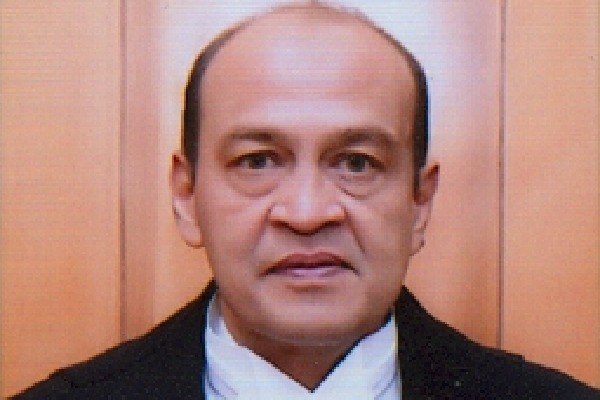
New Delhi, Jan 16 : The Supreme Court on Friday rejected a plea filed by Allahabad High Court Justice Yashwant Varma -- who faces impeachment proceedings following the cash-discovery row -- challenging the decision of the Lok Sabha Speaker to constitute a three-member inquiry committee against him under the Judges (Inquiry) Act, 1968.
Pronouncing the operative part of the verdict, a Bench of Justices Dipankar Datta and Justice Satish Chandra Sharma said, “We hold that the petitioner is not entitled to any relief in the present case.”
Last week, the Justice Datta-led Bench had reserved its verdict on Justice Varma’s writ petition after hearing extensive arguments from all sides.
In his plea, Justice Varma has challenged the Lok Sabha Speaker’s decision primarily on procedural grounds. The plea argued that although impeachment notices were moved in both the Lok Sabha and Rajya Sabha on the same day, Speaker Om Birla constituted the inquiry committee unilaterally, without awaiting the Rajya Sabha Chairman’s decision or holding the mandatory joint consultation.
It was contended that the proviso to Section 3(2) of the Judges (Inquiry) Act requires that when notices are given on the same day in both Houses, no committee can be constituted unless the motion is admitted in both Houses, and that too by joint action of the Speaker and the Chairman.
However, the Lok Sabha Secretariat opposed the plea, arguing that the Rajya Sabha did not admit the impeachment motion. It was highlighted that the motion was rejected by the Rajya Sabha Deputy Chairman on August 11, 2025, after the then Chairman and Vice President Jagdeep Dhankhar resigned in July.
It was further argued that the proviso to Section 3(2) did not apply and the Lok Sabha Speaker was well within his powers to proceed independently.
Solicitor General Tushar Mehta, appearing for the Lok Sabha and Rajya Sabha functionaries, argued that the purpose of the proviso to Section 3(2) was only to avoid the constitution of two separate inquiry committees on the same allegations.
The Centre’s second-highest law officer submitted that admission of an impeachment motion is not automatic and requires application of mind by the presiding officer of the House concerned.
Justice Varma has been at the centre of controversy since burnt cash was allegedly discovered in an outhouse of his official residence in March 2025, when he was serving as a judge of the Delhi High Court.
Though he was not present at the time of the fire, a three-member in-house inquiry committee constituted by the Supreme Court later concluded that he exercised "secret or active control" over the cash stash.
Based on the inquiry report, the then Chief Justice of India (CJI) Sanjiv Khanna recommended initiation of removal proceedings. In August last year, the Supreme Court dismissed Justice Varma’s writ petition challenging the in-house probe. The apex court said that the in-house procedure laid down is "fair and just" and does not compromise judicial independence, which is a basic feature of the Constitution.
Notices of impeachment, backed by 145 Lok Sabha members and 63 Rajya Sabha members, were moved in both Houses of Parliament in July 2025. Subsequently, the Lok Sabha Speaker announced the constitution of a three-member inquiry committee, a decision that is now under challenge before the Supreme Court.
Pronouncing the operative part of the verdict, a Bench of Justices Dipankar Datta and Justice Satish Chandra Sharma said, “We hold that the petitioner is not entitled to any relief in the present case.”
Last week, the Justice Datta-led Bench had reserved its verdict on Justice Varma’s writ petition after hearing extensive arguments from all sides.
In his plea, Justice Varma has challenged the Lok Sabha Speaker’s decision primarily on procedural grounds. The plea argued that although impeachment notices were moved in both the Lok Sabha and Rajya Sabha on the same day, Speaker Om Birla constituted the inquiry committee unilaterally, without awaiting the Rajya Sabha Chairman’s decision or holding the mandatory joint consultation.
It was contended that the proviso to Section 3(2) of the Judges (Inquiry) Act requires that when notices are given on the same day in both Houses, no committee can be constituted unless the motion is admitted in both Houses, and that too by joint action of the Speaker and the Chairman.
However, the Lok Sabha Secretariat opposed the plea, arguing that the Rajya Sabha did not admit the impeachment motion. It was highlighted that the motion was rejected by the Rajya Sabha Deputy Chairman on August 11, 2025, after the then Chairman and Vice President Jagdeep Dhankhar resigned in July.
It was further argued that the proviso to Section 3(2) did not apply and the Lok Sabha Speaker was well within his powers to proceed independently.
Solicitor General Tushar Mehta, appearing for the Lok Sabha and Rajya Sabha functionaries, argued that the purpose of the proviso to Section 3(2) was only to avoid the constitution of two separate inquiry committees on the same allegations.
The Centre’s second-highest law officer submitted that admission of an impeachment motion is not automatic and requires application of mind by the presiding officer of the House concerned.
Justice Varma has been at the centre of controversy since burnt cash was allegedly discovered in an outhouse of his official residence in March 2025, when he was serving as a judge of the Delhi High Court.
Though he was not present at the time of the fire, a three-member in-house inquiry committee constituted by the Supreme Court later concluded that he exercised "secret or active control" over the cash stash.
Based on the inquiry report, the then Chief Justice of India (CJI) Sanjiv Khanna recommended initiation of removal proceedings. In August last year, the Supreme Court dismissed Justice Varma’s writ petition challenging the in-house probe. The apex court said that the in-house procedure laid down is "fair and just" and does not compromise judicial independence, which is a basic feature of the Constitution.
Notices of impeachment, backed by 145 Lok Sabha members and 63 Rajya Sabha members, were moved in both Houses of Parliament in July 2025. Subsequently, the Lok Sabha Speaker announced the constitution of a three-member inquiry committee, a decision that is now under challenge before the Supreme Court.