Mumbai, Jan 15 : Polling for 29 Municipal Corporations across Maharashtra, including key urban centres such as Mumbai, Pune, Nagpur and Nashik, concluded at 5:30 p.m. on Thursday, amid tight security and high political tension.
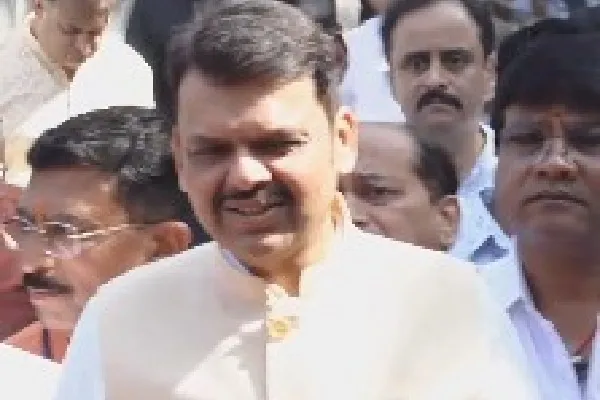
The elections are being seen as a defining test for the state's political landscape, with Chief Minister Devendra Fadnavis and Shiv Sena-UBT Chief Uddhav Thackeray -- joined by his brother and Maharashtra Navnirman Sena (MNS) Chief Raj Thackeray -- putting their prestige on the line.
For the BJP, led by Devendra Fadnavis, the Brihanmumbai Municipal Corporation (BMC) is the "crown jewel" of this campaign.
While the BJP came close to toppling the Shiv Sena in 2017, the party then chose to prioritise the stability of the state government.
However, following the 2022 split in the Shiv Sena and the subsequent bitterness between the former allies, the BJP is now leaving no stone unturned to install its first-ever Mayor in Mumbai. A victory here would solidify the BJP's grip on India’s financial capital.
For Uddhav Thackeray, this election is a fight for political survival. After losing the party name and symbol to Eknath Shinde in 2022 and facing a setback in the 2024 Assembly elections, the BMC remains his last major stronghold.
Historically, the BMC has been the backbone of the Shiv Sena for more than 25 years. In a strategic move to preserve the legacy of Balasaheb Thackeray, Shiv Sena-UBT Chief Uddhav Thackeray has joined forces with his brother Raj Thackeray.
Political analysts suggest that a defeat in the civic polls could lead to further erosion of Uddhav Thackeray-led Shiv Sena-UBT, potentially prompting remaining lawmakers to defect to the ruling Mahayuti.
However, following a massive joint rally at Shivaji Park, the Thackeray brothers appear to have gained significant momentum.
The Shiv Sena has governed the BMC since 1985. In the 2017 elections, the contest was historically close: Shiv Sena won 84 seats, BJP: 82 seats, Congress: 31 seats, NCP: nine seats and MNS: seven seats.
In the absence of a clear majority, the BJP had allowed the Shiv Sena to retain the Mayor's post to keep the state alliance intact.
Today, the battlefield is vastly different. A total of 1,729 candidates are contesting for 227 seats in Mumbai alone. The city has more than 1.03 crore eligible voters, including 55.16 lakh men and 48.26 lakh women.
Established in 1865, the BMC is not just a local body; it is the wealthiest civic corporation in India. With an annual budget exceeding Rs 74,000 crore, its financial muscle surpasses that of several states like Goa, Sikkim, and Arunachal Pradesh.
BMC's revenue streams include property tax, which is a primary source collected from residential and commercial properties; service fees, including water tax, sewerage charges and parking fees; development charges, including fees from building permissions and infrastructure premiums; and state grants comprising subsidies and compensation for octroi (GST).
This massive revenue base allows the BMC to execute mega-infrastructure projects independently of the state government, making its control a vital asset for any political party.
(Sanjay Jog can be contacted at sanjay.j@ians.in)
BMC elections: Fadnavis, Thackeray lock horns in high-stakes battle for Mumbai