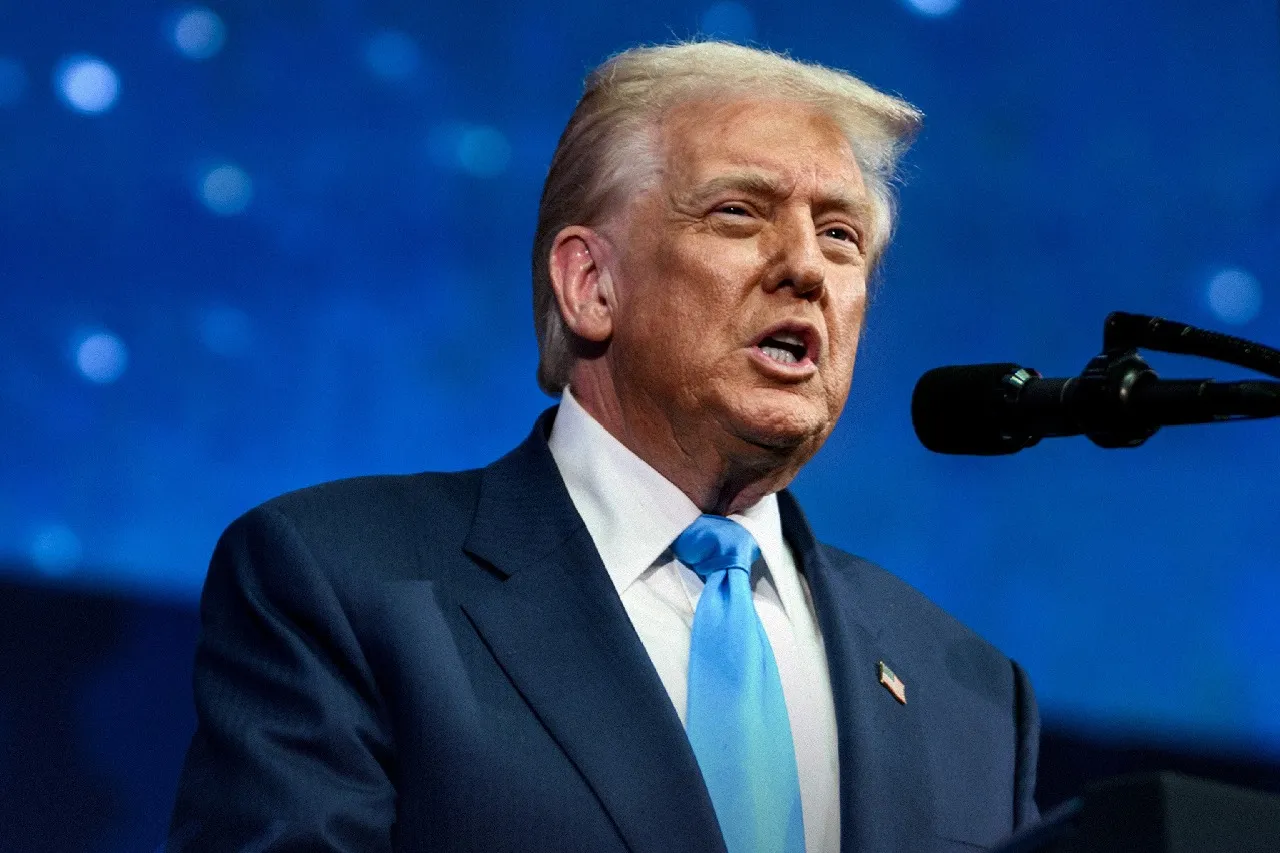
Washington, Jan 7 : US President Donald Trump defended the aggressive use of tariffs, saying trade penalties are essential to protecting US national security and correcting decades of economic imbalances with both allies and adversaries.
“I’m imposing on you a tariff 42 times more expensive than what I’m asking for you in return,” Trump said while recounting conversations with foreign leaders. “This is for medical security.”
Trump singled out China while explaining his approach. “You can either have a 25 per cent tariff added on to you, like I did with China on fentanyl,” he said. “I put a 20 per cent penalty tax on China and it’s drying up because the tax is far more than fentanyl.”
He said tariffs were already generating significant revenue. “We’re going to have over $650 billion poured into our country or coming in shortly because of tariffs,” Trump said.
Trump said tariff enforcement uncovered tens of billions in previously uncollected funds. “We were missing $39 billion, not million, plus $39 billion,” he said. “We’ve taken in $650 billion or shortcoming.”
He framed trade policy as inseparable from defense readiness. “We have national security because of tariffs,” Trump said, adding that the issue was headed to the Supreme Court.
Trump also tied tariffs to drug pricing negotiations, claiming US pressure forced foreign governments to reconsider prescription drug costs. “France was told that the pill will go from $10 to $30,” he said.
He said pharmaceutical firms ultimately complied. “The drug companies, I made a deal with them,” Trump said. “The nations were a bigger problem than drug companies.”
Trump argued that previous administrations subsidized the world. “We were subsidizing the entire world,” he said. “That’s just one of the many things we were giving.”
The president dismissed skepticism about the policy’s effectiveness. “If you have the right president, it’s good,” Trump said.
Tariffs have been a central pillar of Trump’s economic strategy. The policy has drawn legal challenges and debate over executive authority, with courts examining whether tariffs can be justified under national security statutes.
Trump defends tariffs as national security tool