Pakistan's female labour force participation among lowest in world: Report
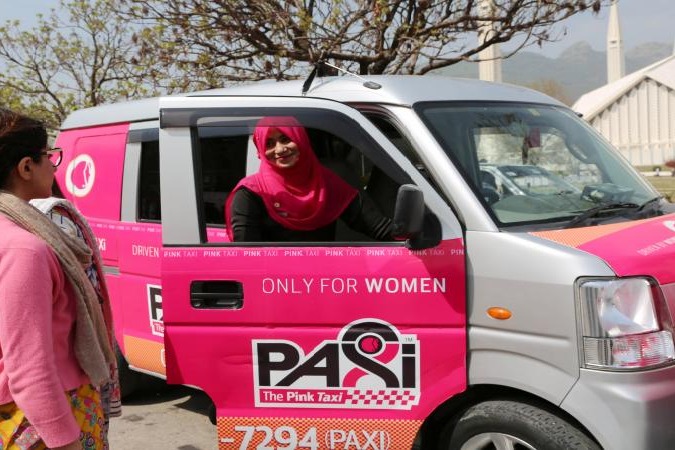
It added that overcoming these challenges requires comprehensive measures such as strengthening labour law enforcement, improving access to childcare and safe transportation, promoting digital and financial inclusion, and eliminating discriminatory norms that restrict women's mobility and autonomy.
According to a report in Athens-based Directus, without targetted intervention, these gaps risk perpetuating cycles of poverty and underdevelopment, sidelining half of Pakistan’s population and their economic potential.
"Pakistan's Female Labour Force Participation (FLFP) remains among the lowest in the world, reflecting deep-rooted socio-economic, cultural, and institutional barriers that continue to border women's economic agency. Despite comprising nearly half of the population, Pakistani women remain significantly underrepresented in the labour market, with the consequences extending far beyond individual livelihoods to the country's economic re-stream development and human capital potential," the report detailed.
"At the national level, Pakistan’s FLFP rate for women aged 15 to 64 stands at just 22.6 per cent, far below the global average of 52.6 per cent and even lower than the already modest South Asian average of 25.2%. In urban centres where economic opportunities are usually more diverse, the situation remains bleak. In Islamabad, for instance, women’s labour force participation is only 22.5 per cent, compared to 67 per cent for men," it added.
The report stressed that urban women often face additional challenges, including limited mobility, social constraints, and family support, which make it difficult to enter and remain in the workforce.
“A combination of structural inequalities and entrenched cultural norms drives these disparities. Limited mobility, gendered expectations around domestic responsibilities, wage gaps, and restricted access to financial services and high-paying industries all contribute to women’s economic marginalisation,” it stated
In addition to economic and political exclusion, the report said, Pakistani women encounter social and security barriers. It noted that those in leadership roles, media, or activism frequently face gender-based violence, harassment, and attacks on their character.
“Female politicians and journalists often encounter intimidation and smear campaigns to delegitimise their presence and discourage participation. These hostile environments not only discourage women from entering public spaces but also reinforce narratives that question women's leadership and autonomy,” the report mentioned.