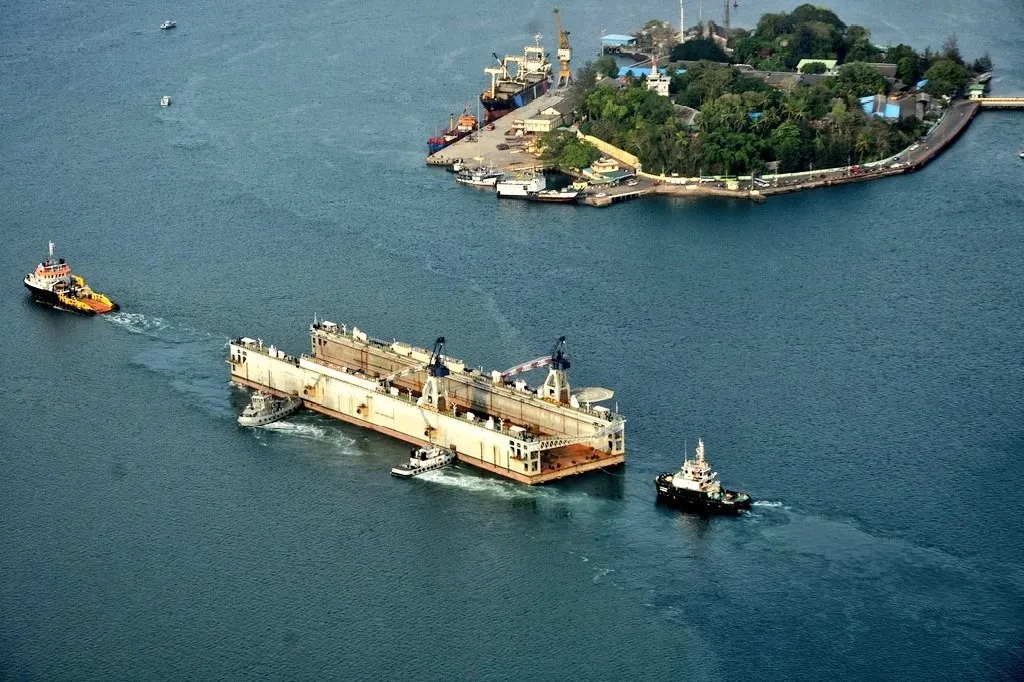
Washington, Dec 11 : India’s Andaman and Nicobar Islands -- located at the mouth of the Strait of Malacca -- are emerging as a pivotal strategic asset for US–India maritime cooperation, experts told American lawmakers.
Appearing before the House Foreign Affairs Subcommittee on South and Central Asia during a hearing on the US–India strategic partnership on Wednesday (local time), Jeff Smith of the Heritage Foundation said the islands constitute “an extremely valuable asset for any country,” giving India unmatched visibility over one of the world’s most important maritime chokepoints.
“I would like to see even more US and Indian cooperation around that location,” he said, urging expanded intelligence-sharing and surveillance integration.
Smith told lawmakers that China began sending submarines into the Indian Ocean around 2013–14, describing Beijing’s claims that these were anti-piracy missions as implausible. “Most of us know you don’t need a nuclear submarine to counter pirates off the Somali coast,” he said. He added that a combination of border clashes, maritime encirclement, and Chinese partnerships in Pakistan has left India “feeling increasingly encircled.”
They have the border dispute issue, but there’s also a maritime component to the rivalry, and that has been heating up considerably, he said. “You have the US with a base in Diego Garcia, which has been under question as of late. I think it’s important that the US maintain access to Diego Garcia, but on the other side of the Indian Ocean, you have an Indian naval base at the mouth of the Strait of Malacca at the Andaman and Nicobar Islands,” Smith added.
And frankly, this is an extremely valuable asset for any country. Certainly for India. I would like to see even more US-Indian cooperation in that area, as it allows both of us to monitor traffic entering and exiting the Indian Ocean from the Western Pacific.
Dhruva Jaishankar detailed India’s naval expansion, noting that the Indian Navy has “increased the tempo of its patrols,” expanded humanitarian and anti-piracy missions, and deepened exercises with partners in the Western Pacific, including South Korea, Australia, Papua New Guinea, Fiji, and around Guam.
Witnesses argued that maritime cooperation will be central to countering China’s Indo-Pacific strategy. Committee Chairman Bill Huizenga warned that China’s “string of pearls” is “an overt attempt to encircle and control the Indian Ocean,” and said ensuring free sea lanes is critical for global economic stability.
Smith urged Congress to facilitate defence co-production, accelerate export clearances, and strengthen intelligence agreements, allowing both sides to track submarine movements and monitor Chinese naval deployments.
The testimony made clear that the US sees India as a maritime anchor capable of shaping the Indo-Pacific balance of power -- especially as China intensifies its presence from Djibouti to the western Pacific.
India’s Andaman outpost central to US–India maritime strategy: Experts to Congress