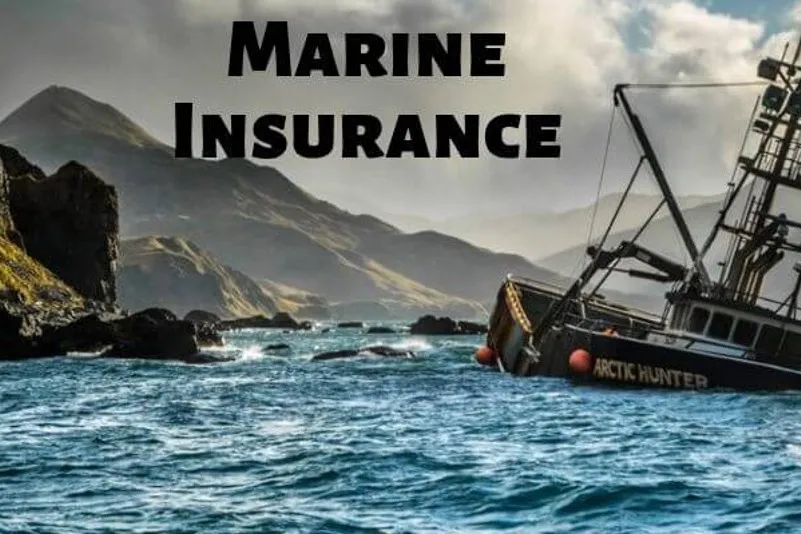
Transporting goods, whether across international borders or within the country, comes with several risks, including natural disasters, theft, mishandling, and delays. For exporters and importers, protecting cargo goes beyond careful packaging and logistics; it requires financial coverage to manage potential losses. This is where marine insurance becomes essential.
Marine insurance covers loss or damage to goods during transit, primarily by sea and inland transport, while specialised policies can cover air cargo. It ensures businesses are compensated if incidents occur during the journey, helping maintain cash flow, continuity, and client trust. Here’s a closer look at how marine insurance works, its types, and key benefits for exporters and importers.
What is Marine Insurance?
Marine insurance is a type of insurance that covers goods in transit across water, air, or land. While the term "marine" might suggest only sea transport, it often includes inland marine insurance, which protects cargo as it moves between warehouses, factories, ports, and other land-based points.
The policy is designed to shield the buyer, seller, or transporter (depending on who bears the risk as per Incoterms) from losses caused by accidents, natural events, or man-made incidents during the cargo journey.
Who Needs Marine Insurance?
Both exporters and importers need marine insurance to protect their business interests. The moment goods leave the seller’s warehouse and until they reach the buyer’s location, multiple risks arise. Whether the contract is FOB (Free on Board), CIF (Cost, Insurance, and Freight), or DDP (Delivered Duty Paid), someone bears the responsibility of protecting the goods.
Having the right insurance policy ensures that the responsible party does not suffer financial losses due to unforeseen disruptions in the supply chain.
Types of Marine Insurance Coverage
Marine insurance typically covers a range of transit-related risks. The coverage is divided based on the scope of protection. Here are the three common types of Institute Cargo Clauses:
1) Institute Cargo Clause (A):
This is the widest form of coverage. It protects against all risks of loss or damage to the insured goods unless specifically excluded. It's ideal for high-value or sensitive shipments.
2) Institute Cargo Clause (B):
This covers named risks such as fire, explosion, vessel collision, capsizing, and discharge of cargo at a port of distress. It also includes general average and salvage charges.
3) Institute Cargo Clause (C):
This is the most limited cover and only insures against a narrow set of perils such as fire, collision, and capsizing. It is generally cheaper but suitable only for certain goods.
Apart from the above, inland marine insurance is crucial when goods are transported within the country, either to ports or from ports to the final destination.
Key Benefits of Marine Insurance for Exporters and Importers
Trading across borders involves numerous uncertainties, from natural hazards to handling risks during transit. Marine insurance plays a vital role in reducing these risks and ensuring smooth trade operations.
1) Comprehensive Risk Protection:
Whether it’s due to natural disasters, piracy, loading/unloading damage, or theft, marine insurance covers a variety of risks depending on the chosen clause.
2) Coverage During the Entire Transit Period:
Marine insurance attaches when goods leave the warehouse and continues during the entire journey. It ends when the goods reach the destination or after a specified period (e.g., 60 days from the port discharge), whichever is earlier.
3) Customisable Policies:
Marine insurance protects exporters and importers from risks such as natural disasters, theft, piracy, mishandling, and delays. Policies can be customised based on cargo type, destination, value, and mode of transport, helping businesses secure the proper protection while managing costs.
Insurers like Bajaj General Insurance offer flexible marine insurance plans, including coverage under Institute Cargo Clauses (A, B, or C), inland transit protection, and options for single shipments or sales turnover policies. Add-ons can be tailored to specific risk profiles, and responsive claims support ensures smooth trade continuity for exporters and importers.
4) Claim Support and Legal Guidance:
In case of a claim, marine insurance providers offer help in documentation and recovery. Legal guidance is also available in case of liability issues, especially under clauses like “Both to Blame Collision.”
5) Salvage, General Average, and Constructive Total Loss Coverage:
Marine policies also cover shared losses like general average, where all parties in the sea venture proportionally share losses from voluntary sacrifices (e.g., jettisoning cargo to save the ship). Constructive total loss is also covered if salvaging is uneconomical.
Important Clauses to Know
Here are some crucial clauses that exporters and importers should be aware of:
- General Average Clause: Covers shared loss due to sacrifices made to save the voyage.
- Forwarding Charges Clause: Pays for forwarding the goods to the destination if the original transit is interrupted.
- Change of Voyage Clause: Allows coverage to continue even if the destination changes after shipment, subject to notice and premium.
- Termination of Transit Clause: Defines when the coverage ends (e.g., on delivery or after a time limit post-discharge).
- Insurable Interest Clause: The claimant must have a financial interest in the goods at the time of loss.
What Is Not Covered?
Despite its wide protection, marine insurance does not cover everything. Common exclusions include:
- Wilful misconduct of the assured
- Inherent vice or nature of goods (e.g., perishable goods rotting)
- Ordinary wear and tear or leakage
- Delay (even if caused by a covered peril)
- Insolvency of transporters or shipowners
- Loss due to war or strikes (unless separately covered under War or Strike Clauses)
Understanding these exclusions is key to avoiding disputes during claims.
Role of Inland Marine Insurance
Many mistakenly believe inland marine insurance is only for land cargo. However, it is crucial to cover goods during domestic transit before or after the sea leg. It protects goods in transit via trucks, trains, and even while stored temporarily in warehouses.
For exporters and importers, combining marine and inland marine insurance ensures end-to-end cargo protection.
Conclusion
For any business involved in global or domestic trade, marine insurance is not just a compliance requirement; it’s vital financial protection. It helps exporters and importers manage risks, maintain continuity of operations, and build trust with clients by showing commitment to cargo security.
Whether goods are travelling by sea, air, or land, choosing the right marine insurance plan is critical. Robust coverage options, tailored policies, and responsive claims support can assure that your cargo is protected at every stage of its journey.
If you’re an exporter or importer, evaluate your coverage needs carefully and select the right mix of marine and inland marine insurance to keep trade operations running smoothly.
*Standard T&C Apply
Insurance is the subject matter of solicitation. For more details on benefits, exclusions, limitations, terms, and conditions, please read the sales brochure/policy wording carefully before concluding a sale.
Content Produced by: Indian Clicks, LLC