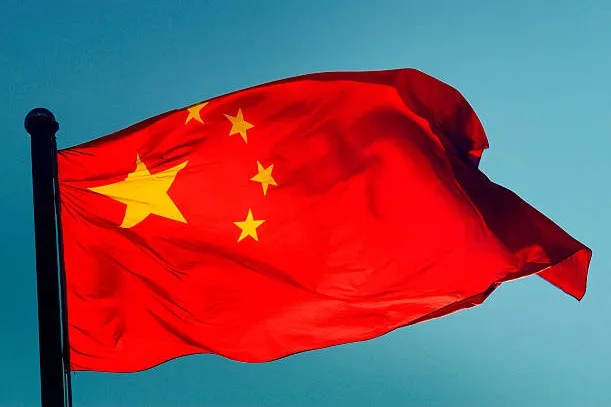
In light of mounting economic challenges and rising debt burdens on local governments, the administration of Chinese President Xi Jinping has issued stringent directives urging government officials across the country to reduce unnecessary expenditures and uphold financial discipline. The directives emphasize the need to curb extravagance in areas such as travel, banquets, office luxuries, cigarettes, and alcohol.
China’s official news agency Xinhua reported that the government, along with the leadership of the Communist Party of China, has issued these guidelines keeping in view the country’s financial situation and the growing pressure on the national treasury. The instructions clearly call for officials to refrain from indulgence and instead embrace frugality. The campaign is being promoted under the slogan, "Waste is shameful, thrift is glorious."
President Xi Jinping has been consistently urging officials to steer clear of corruption and ostentatious displays. The new austerity measures have gained added urgency due to declining revenues from land sales and the increasingly severe debt crisis faced by local governments. As recently as the end of 2023, central authorities had issued similar instructions encouraging frugal governance.
The latest austerity directive also had a visible impact on stock markets. On Monday, consumer staples stocks on the CSI 300 index fell by 1.7%. Shares of leading liquor manufacturer Kweichow Moutai Co. dropped by 2.4%, marking their sharpest decline in six weeks, according to a Bloomberg report.
In response to local government debt challenges, China’s leadership last year launched one of its most comprehensive programs in recent times. The initiative aims to reduce default risks while continuing to support economic growth by strengthening local governments.
Meanwhile, in the first quarter of this year, China’s economy grew by 5.4%, surpassing expectations. Authorities have expressed confidence in achieving the annual growth target of around 5%. However, economists have cautioned that tariffs imposed by the United States could hinder this progress. In anticipation of such adverse effects, the Chinese government earlier this month announced stimulus measures including interest rate cuts and significant liquidity support. These monetary policy actions came shortly after key negotiations in Geneva resulted in a confirmed China-U.S. trade agreement. Observers view this as a significant step towards easing long-standing tensions.