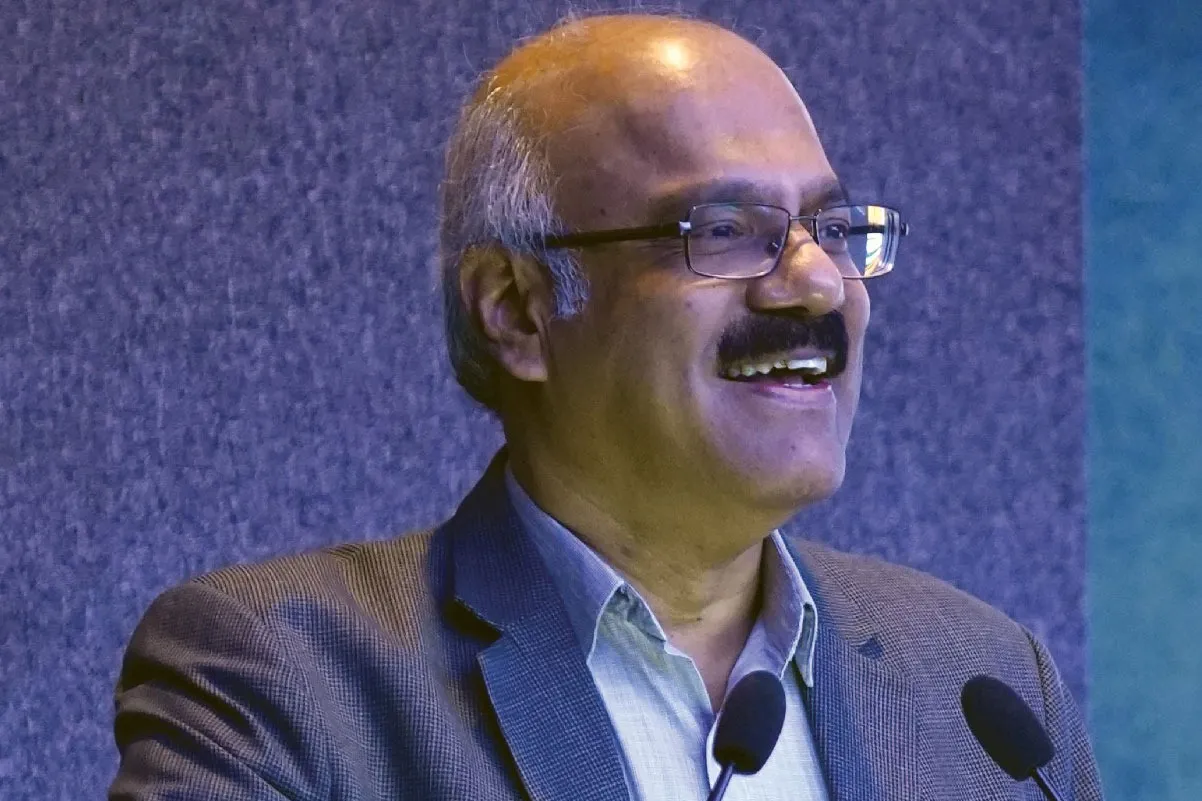
Renowned gastroenterologist and Padma Vibhushan awardee Dr. D. Nageshwar Reddy announced that smart toilets powered by artificial intelligence (AI) technology will soon be available to the public. These innovative toilets will monitor human waste in real-time to provide continuous health assessments. Dr. D. Nageshwar Reddy made these remarks during a recent visit to Kurnool, where he was felicitated by local medical professionals. On this occasion, he shared several insights into modern medical practices and healthy lifestyle habits.
Dr. D. Nageshwar Reddy emphasized that while organs like the heart, kidneys, and liver were traditionally considered the primary indicators of health, it is now evident that “gut health” plays a central role in overall well-being. He explained that the human body hosts a microbiome—a complex community of bacteria, viruses, and fungi—which governs numerous bodily functions. Maintaining the balance of these microorganisms is vital; disruptions that lead to the proliferation of harmful bacteria can trigger various diseases.
According to Dr. D. Nageshwar Reddy, there are two main ways to promote the growth of beneficial bacteria in the gut. One method is through probiotics, which directly introduce healthy bacteria into the system—curd and buttermilk being prime examples. The other method involves prebiotics, which are dietary substances that nourish existing good bacteria. Foods such as onions, bananas, and coconut water function effectively as prebiotics. He specifically recommended drinking two glasses of coconut water daily to boost beneficial gut bacteria.
He further highlighted the link between gut health and cardiovascular diseases. Certain bacteria produce a compound known as TMAO (Trimethylamine N-oxide), which, when elevated, can increase the risk of heart attacks and heart failure. Controlling the levels of such bacteria can help mitigate heart-related health issues. He also noted emerging research that connects changes in gut bacteria to Alzheimer’s disease, cognitive function, and intelligence, indicating that microbial modifications could pave the way for new treatments.
Dr. D. Nageshwar Reddy stated that the upcoming smart toilets, enabled by AI technology, will analyze stool and urine samples to provide real-time health updates. He also mentioned the use of stool capsules to treat various illnesses. These capsules are created by collecting stool from healthy individuals, purifying it, converting it into powder form, and encapsulating it to deliver beneficial bacteria to the intestines.
He expressed concern over the adverse effects of ultra-processed foods, including fast foods, chips, and noodles, especially on children’s health. He warned that preservatives and coloring agents in these foods harm the body’s microbial balance, which is a more serious concern than just high calorie intake. Dr. D. Nageshwar Reddy called for a ban on the sale of such food items near school premises and in canteens to safeguard children’s health.
Dr. D. Nageshwar Reddy added that extensive research is being conducted globally to identify which foods support health and foster good bacteria. He cited the Mediterranean diet followed in countries like Greece as a particularly healthy model and revealed efforts to adapt it into an "Indo-Mediterranean Diet" to align with Indian dietary patterns.
In conclusion, Dr. D. Nageshwar Reddy advised consuming locally sourced, organically grown food for better health. He cautioned against processed foods, chemically grown crops, and Western dietary habits. A balanced diet composed of appropriate amounts of proteins, carbohydrates, oils, and naturally cultivated foods from one’s region can significantly enhance health, he stated.