Serious questions are being raised about the performance of Chinese weapon systems, which have long been trusted by neighbouring Pakistan. According to multiple emerging reports, these weapons failed significantly during the recent Operation Sindoor. In particular, several Chinese-made defence systems were reportedly unable to withstand Indian aerial strikes. The operation, which was conducted with a coordinated use of Indian and Western weapon platforms, revealed notable shortcomings in Chinese technology. These developments are casting a shadow over the reliability and efficiency of Chinese arms.
According to credible information, the HQ-9 air defence system, procured by Pakistan from China and deployed at key military installations, failed to intercept Indian aircraft and missiles. The Indian forces were reportedly able to breach these systems with ease, especially with missiles like the BrahMos. The inefficacy of other Chinese air defence systems, such as the HQ-16 and LY-80, was also exposed. These systems were found lacking in their ability to detect and respond to modern Indian and Western technologies. However, some Chinese nationals on social media have claimed that the failure of the HQ-9 system was due to insufficient training and operational shortcomings on the part of Pakistani personnel.
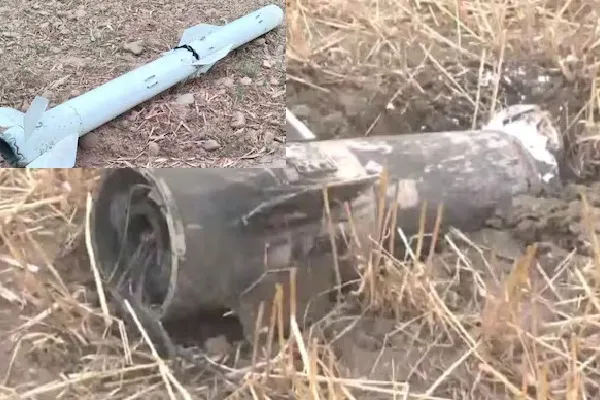
Chinese air-to-air missiles, particularly the PL-15, which had been touted as competitors to Western missiles like the American AIM-120D, also failed to meet expectations. Reports indicate that these missiles failed to hit their designated targets and, in some cases, malfunctioned mid-air. The Indian military reportedly recovered fragments of a PL-15 missile that had fallen without striking any target near Hoshiarpur, lending weight to these claims.
Similarly, the CM-400AKG air-to-surface missile—dubbed a “carrier killer”—was detected early by Indian airborne warning and control systems (AWACS) and surveillance platforms like NETRA. Despite its high speed, the missile reportedly lacked stealth capabilities and had limited manoeuvrability, making it susceptible to jamming and redirection.
Pakistan deployed Chinese-made J-10C and JF-17 Block III fighter aircraft armed with PL-15 missiles, but these failed to significantly disrupt Indian air operations. Claims by Pakistani and Chinese media that J-10C jets had downed Indian aircraft, including Rafale jets, have not been independently verified. Furthermore, Pakistan has yet to present any wreckage of the downed Indian aircraft to substantiate these claims. Additionally, the YLC-8E anti-stealth radar supplied by China and located at the Chunian Airbase in central Punjab was reportedly destroyed in an Indian Air Force strike.
Chinese-made AR-1 laser-guided missiles, launched via Wing Loong-II drones for surveillance and attacks, were successfully intercepted by Indian air defence systems before they could reach their targets. Indian forces also intercepted and displayed the remnants of several Chinese drones. These outcomes have intensified doubts about the quality and effectiveness of Chinese weapon systems and could have implications for Pakistan’s defence capabilities as well.