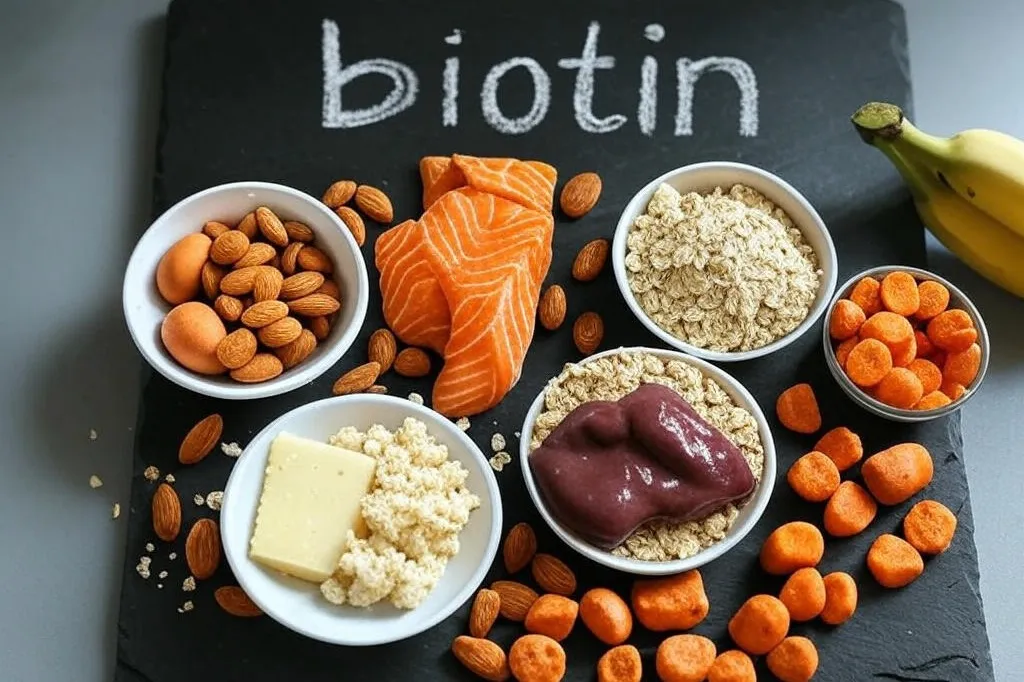
Boost Hair Growth Naturally with These Biotin-Rich Foods
Healthy, vibrant hair starts from within—and one of the key nutrients your body needs for hair growth is biotin, also known as vitamin B7. Biotin plays a vital role in the production of keratin, the protein that forms the structure of hair, skin, and nails. While biotin supplements are popular, the best way to meet your daily needs is by incorporating biotin-rich foods into your regular diet. Here’s a comprehensive guide to natural sources of biotin that can help strengthen your hair and support long-term growth.
1. Eggs – A Powerhouse of Biotin and Protein

Eggs, especially the yolks, are one of the most concentrated sources of biotin. In addition to biotin, they offer high-quality protein and iron—two nutrients crucial for healthy, strong hair. Including eggs in your breakfast or salads is a simple and effective way to support hair health.
Biotin content: 10–20 mcg per egg (mostly in the yolk)
2. Nuts and Seeds – Tiny Packages of Hair Nutrition
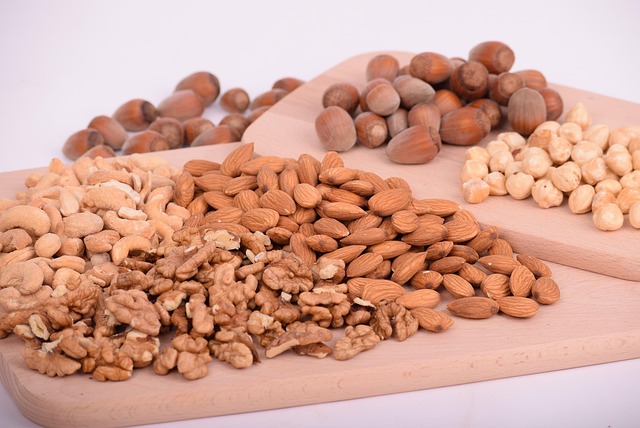
Almonds, walnuts, pecans, and sunflower seeds are excellent sources of biotin. They're also rich in vitamin E and healthy fats that moisturize the scalp and reduce hair breakage. Snack on a handful of nuts or sprinkle seeds over your meals to enhance hair resilience.
Biotin content: 1–12 mcg per 28–100 grams (varies by type)
3. Salmon and Fatty Fish – For Healthy Follicles
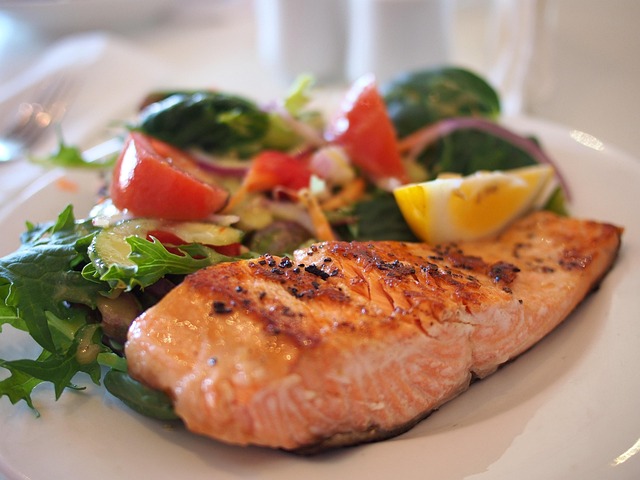
Salmon not only delivers a modest amount of biotin but also provides omega-3 fatty acids that reduce inflammation and nourish hair follicles. Regular consumption of fatty fish like salmon or mackerel can help maintain a healthy scalp and promote thicker strands.
Biotin content: 4–5 mcg per 100 grams
4. Avocados – Creamy and Nutrient-Dense

Avocados are packed with biotin, healthy fats, and vitamins such as B5 and E. These nutrients help hydrate the scalp and protect hair from breakage. Spread it on toast or blend it into smoothies for a delicious hair-friendly boost.
Biotin content: 3–6 mcg per fruit
5. Sweet Potatoes – For Nourished Roots
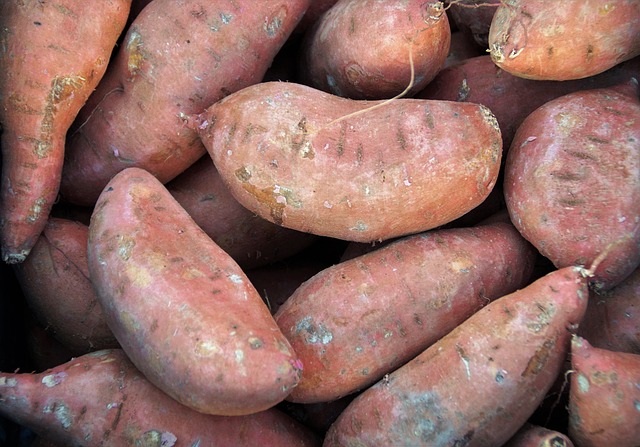
Sweet potatoes are not only a good source of biotin, but also rich in beta-carotene, which converts to vitamin A in the body. This helps keep the scalp healthy and supports the production of sebum, a natural oil that protects hair.
Biotin content: 2–6 mcg per medium sweet potato
6. Spinach and Leafy Greens – Iron-Rich and Biotin-Boosting
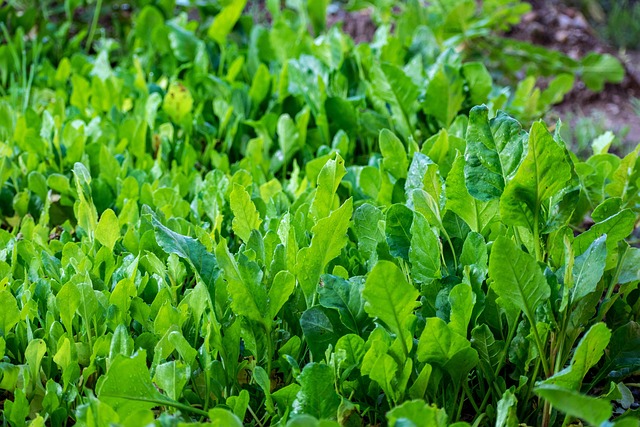
Dark leafy greens like spinach offer a combination of biotin, iron, folate, and vitamins A and C. These nutrients improve circulation to the scalp and support the health of hair follicles, leading to better hair quality over time.
Biotin content: About 12 mcg per cup (raw spinach)
7. Whole Grains – A B-Vitamin Bonus

Oats, brown rice, and barley contain small but useful amounts of biotin and other B vitamins. They also provide fiber that supports overall health. Including whole grains in your meals can be a steady way to support hair growth from within.
Biotin content: 1–2 mcg per serving
8. Mushrooms – Earthy Boosters for Hair Pigmentation

Shiitake and portobello mushrooms are among the few fungi that offer biotin, along with copper, which supports healthy hair pigmentation. Grill them, add them to soups, or sauté them into stir-fries.
Biotin content: 2–6 mcg per serving
9. Legumes – Protein-Rich Plant Power
Lentils, chickpeas, black beans, and other legumes offer a solid mix of biotin, protein, and iron. These nutrients work together to strengthen hair strands and prevent excessive shedding.
Biotin content: Varies by type (moderate to high)
10. Dairy Products – Gentle Support for Hair Strength

Milk, yogurt, and cheese provide small amounts of biotin alongside calcium and protein. These help maintain healthy hair structure and a balanced scalp environment. Opt for low-fat options if you're watching your calories.
Biotin content: 1–2 mcg per serving
11. Other Sources – A Colorful Mix

Bananas, broccoli, carrots, and cauliflower also contribute modest amounts of biotin. Including a colorful variety of fruits and vegetables ensures you're not missing out on this vital nutrient.
How Much Biotin Do You Really Need?
For most adults, the recommended daily intake of biotin is around 30 to 100 micrograms (mcg). While biotin deficiency is rare, eating a variety of biotin-rich foods ensures your body has everything it needs to support healthy, consistent hair growth.

1. Eggs – A Powerhouse of Biotin and Protein

Eggs, especially the yolks, are one of the most concentrated sources of biotin. In addition to biotin, they offer high-quality protein and iron—two nutrients crucial for healthy, strong hair. Including eggs in your breakfast or salads is a simple and effective way to support hair health.
Biotin content: 10–20 mcg per egg (mostly in the yolk)
2. Nuts and Seeds – Tiny Packages of Hair Nutrition

Almonds, walnuts, pecans, and sunflower seeds are excellent sources of biotin. They're also rich in vitamin E and healthy fats that moisturize the scalp and reduce hair breakage. Snack on a handful of nuts or sprinkle seeds over your meals to enhance hair resilience.
Biotin content: 1–12 mcg per 28–100 grams (varies by type)
3. Salmon and Fatty Fish – For Healthy Follicles

Salmon not only delivers a modest amount of biotin but also provides omega-3 fatty acids that reduce inflammation and nourish hair follicles. Regular consumption of fatty fish like salmon or mackerel can help maintain a healthy scalp and promote thicker strands.
Biotin content: 4–5 mcg per 100 grams
4. Avocados – Creamy and Nutrient-Dense

Avocados are packed with biotin, healthy fats, and vitamins such as B5 and E. These nutrients help hydrate the scalp and protect hair from breakage. Spread it on toast or blend it into smoothies for a delicious hair-friendly boost.
Biotin content: 3–6 mcg per fruit
5. Sweet Potatoes – For Nourished Roots

Sweet potatoes are not only a good source of biotin, but also rich in beta-carotene, which converts to vitamin A in the body. This helps keep the scalp healthy and supports the production of sebum, a natural oil that protects hair.
Biotin content: 2–6 mcg per medium sweet potato
6. Spinach and Leafy Greens – Iron-Rich and Biotin-Boosting

Dark leafy greens like spinach offer a combination of biotin, iron, folate, and vitamins A and C. These nutrients improve circulation to the scalp and support the health of hair follicles, leading to better hair quality over time.
Biotin content: About 12 mcg per cup (raw spinach)
7. Whole Grains – A B-Vitamin Bonus

Oats, brown rice, and barley contain small but useful amounts of biotin and other B vitamins. They also provide fiber that supports overall health. Including whole grains in your meals can be a steady way to support hair growth from within.
Biotin content: 1–2 mcg per serving
8. Mushrooms – Earthy Boosters for Hair Pigmentation

Shiitake and portobello mushrooms are among the few fungi that offer biotin, along with copper, which supports healthy hair pigmentation. Grill them, add them to soups, or sauté them into stir-fries.
Biotin content: 2–6 mcg per serving
9. Legumes – Protein-Rich Plant Power
Lentils, chickpeas, black beans, and other legumes offer a solid mix of biotin, protein, and iron. These nutrients work together to strengthen hair strands and prevent excessive shedding.Biotin content: Varies by type (moderate to high)
10. Dairy Products – Gentle Support for Hair Strength

Milk, yogurt, and cheese provide small amounts of biotin alongside calcium and protein. These help maintain healthy hair structure and a balanced scalp environment. Opt for low-fat options if you're watching your calories.
Biotin content: 1–2 mcg per serving
11. Other Sources – A Colorful Mix

Bananas, broccoli, carrots, and cauliflower also contribute modest amounts of biotin. Including a colorful variety of fruits and vegetables ensures you're not missing out on this vital nutrient.
How Much Biotin Do You Really Need?
For most adults, the recommended daily intake of biotin is around 30 to 100 micrograms (mcg). While biotin deficiency is rare, eating a variety of biotin-rich foods ensures your body has everything it needs to support healthy, consistent hair growth.