Indian government sources have clarified that the ceasefire agreement with Pakistan is entirely conditional and that there will be no change in India’s stance on terrorism. They also stated that diplomatic measures against the neighboring country, including the suspension of the Indus Waters Treaty, will continue. According to these sources, it was Pakistan that initiated talks for the ceasefire.
Following the announcement of the ceasefire on Saturday, Minister of External Affairs Subrahmanyam Jaishankar asserted that India would not compromise on terrorism and reaffirmed that this stance would not change.
Foreign Secretary Vikram Misri explained that the ceasefire was implemented after discussions between the Directors General of Military Operations (DGMOs) of both countries. Despite claims of U.S. President Donald Trump’s mediation, Misri clarified that the ceasefire agreement was reached directly through a phone conversation initiated by Pakistan’s DGMO with his Indian counterpart.
After a terrorist attack in Pahalgam that claimed 26 lives, India announced several diplomatic actions. One such measure included the suspension of the Indus Waters Treaty, which government officials have confirmed will remain in effect. They emphasized that the current ceasefire is limited strictly to military engagements.
The six-decade-old treaty governs the distribution of water from the Indus river system. It permits India to use approximately 33 million acre-feet (MAF) of water from the Sutlej, Beas, and Ravi rivers, while allowing Pakistan to utilize around 135 MAF from the western rivers—Indus, Jhelum, and Chenab.
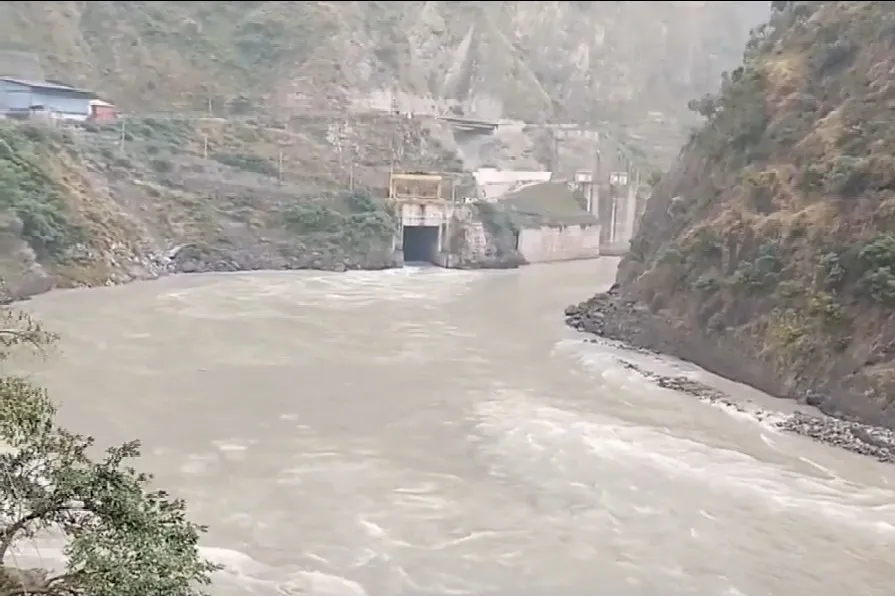
Beyond suspending the treaty, India has begun increasing the reservoir capacities at two hydroelectric projects in Kashmir, leading to a reduced flow of water to Pakistan. The central government is also accelerating construction on six previously stalled projects in the region. Pakistan, disturbed by these developments, has described India’s move to revoke the treaty as an “act of war.”
Government officials reiterated that the ceasefire pertains solely to military matters and that the suspension of the Indus Waters Treaty will continue. Foreign Secretary Vikram Misri also commented on Thursday that Pakistan has acted in complete violation of the spirit of the agreement. He said that despite Pakistan engaging in attacks and provocative actions for over 65 years, India has shown restraint and continued its commitment to the treaty.