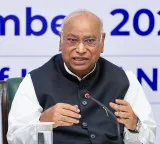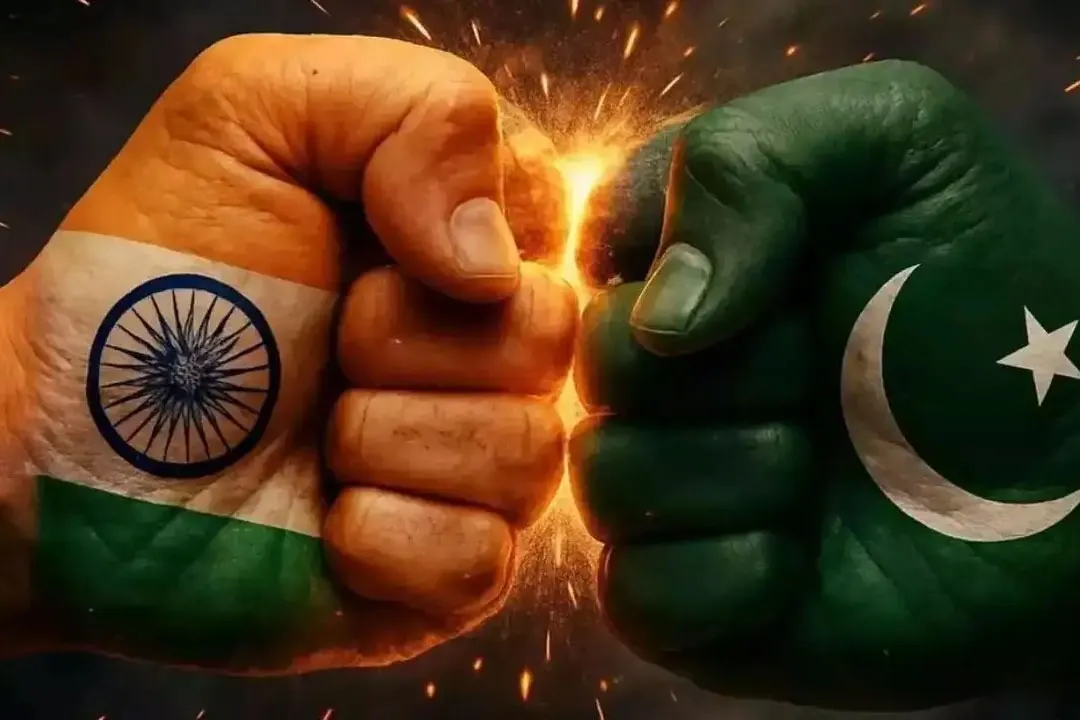
An unexpected incident unfolded at the controversial Lal Masjid in Islamabad, Pakistan. During a gathering, religious leader Maulana Abdul Aziz Ghazi asked his followers whether they would support Pakistan in the event of a war with India. However, not a single individual raised their hand in response. The room remained in complete silence. A video of this incident, recorded inside the mosque, has since gone viral on social media.
This development took place nearly two weeks after a terrorist attack on April 22 in Pahalgam, Jammu and Kashmir, in which 26 people lost their lives. The attack significantly escalated tensions between India and Pakistan. Against this backdrop, the silence at Lal Masjid—a location often associated with extremist ideologies and anti-government sentiment—offers a stark reflection of the evolving internal dynamics within Pakistan.
Addressing students and followers at the mosque, Maulana Abdul Aziz Ghazi stated, “I am asking you a question. Tell me, if Pakistan were to go to war with India, how many of you would support Pakistan and fight?” Yet, no one responded or raised their hand. Commenting on the silence, Ghazi remarked, “This means you are well aware of the situation.”
Continuing further, Maulana Abdul Aziz Ghazi strongly criticized Pakistan’s governance system. He claimed, “Today, there is a system of distrust in Pakistan. It is a brutal and dysfunctional system. It is worse than India’s.” Referring to the state’s suppression in regions such as Balochistan and Khyber Pakhtunkhwa, he alleged that the government was bombing its own citizens. “What happened in Balochistan? What have they done all over Pakistan, in Khyber Pakhtunkhwa? These are all atrocities. The government has dropped bombs on its own people,” he said with indignation.
The video, recorded on May 2 at Jamia Hafsa and Lal Masjid, was shared on social media by noted analyst Husain Haqqani, quickly going viral. The footage has sparked intense debate across Pakistani social media platforms. Experts suggest that the incident is indicative of growing disillusionment and dissatisfaction among Pakistan’s citizens. They argue that this signals not just a loss of faith in civil and military leadership, but also a broader shift in public perception toward Pakistan’s ideological stance on India.
The lack of support for war at a mosque once seen as a hub for anti-India militant rhetoric highlights the deep internal contradictions and divisions within Pakistan. This growing internal dissent—combined with Islamabad’s recent nuclear posturing and mounting diplomatic tensions—is seen as pointing to a period of uncertainty both within Pakistan and in its international standing.